

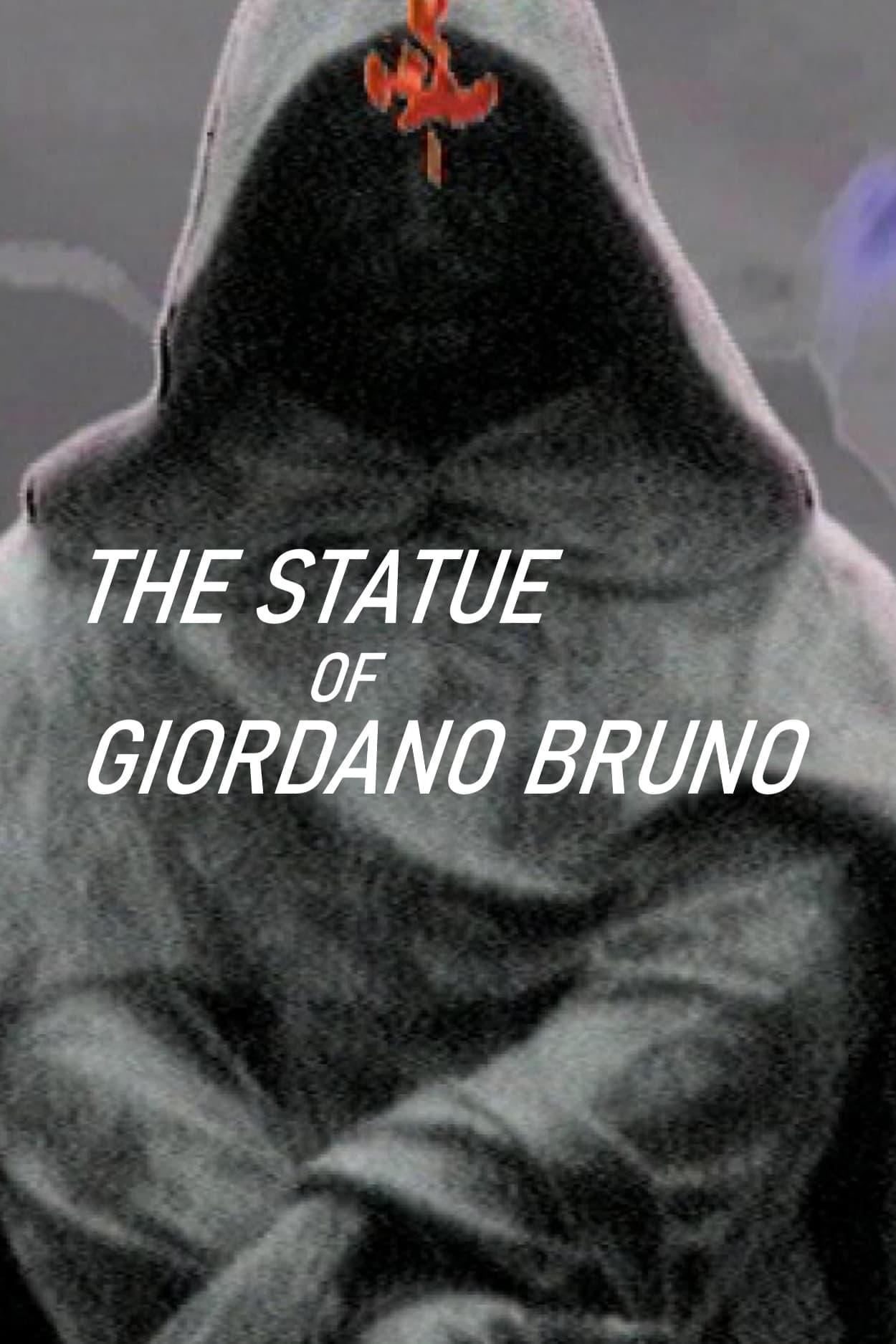
The Statue of Giordano Bruno
Documentary · Music · Animation
Overview
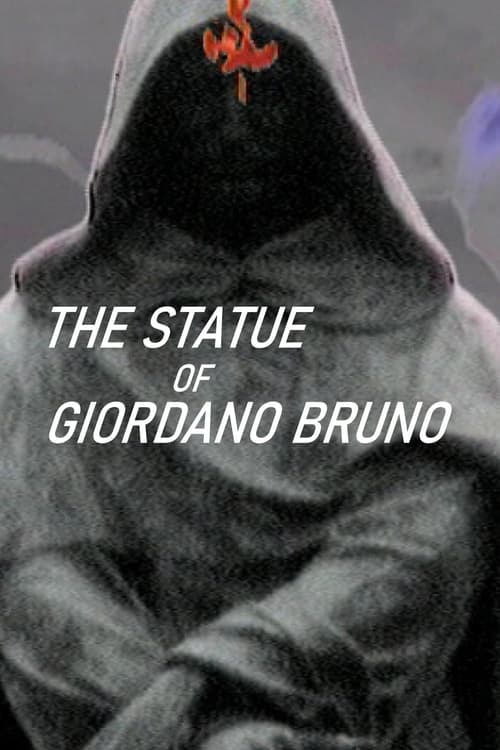
This film was made out of the capture of a live animation performance presented in Rome in January 2005 by Pierre Hébert and the musician Bob Ostertag. It is based on live action shooting done that same afternoon on the Campo dei Fiori where the philosopher Giordano Bruno was burned by the Inquisition in 1600. A commemorative statue was erected in the 19th century, that somberly dominate the market held everyday on the piazza. The film is about the resurgence of the past in this place where normal daily activities go on imperturbably. The capture of the performance was reworked, shortened and complemented with more studio performances.

No cast information.
Similar Movies
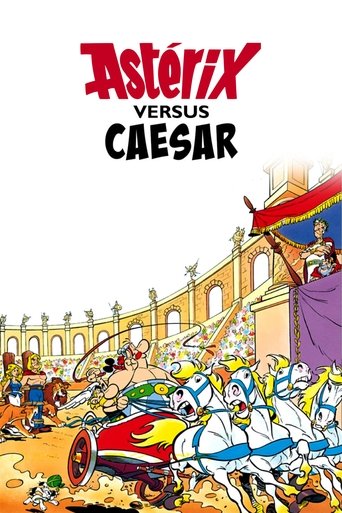
Obelix falls for a new arrival in his home village in Gaul, but is heartbroken when her true love arrives to visit her. However, the lovers are kidnapped by Romans; Asterix and Obelix set out to rescue them on a dangerous journey that will involve gladiators, slavers and beauracracy - and a personal encounter with the Emperor himself, Julius Caesar...
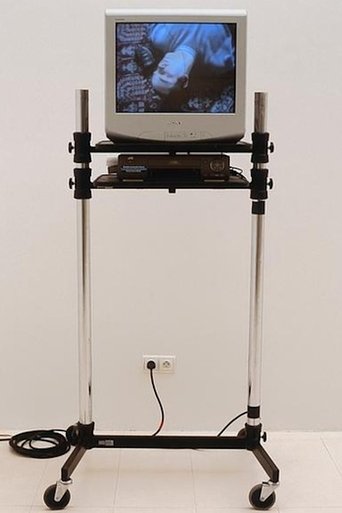
In the present work, the artists appears lying on his back, his eyes mostly closed, dreamingly listening to a walkman that plays, a recording of 'The Best of Lou Reed and the Velvet Underground'. The artist can hear the music through his earphones, but as viewers we are only privy to the sound of his voice that whispers the melody. As we listen to the hypnotic interpretion of the familiar songs - as emblematic for pop music history as 'Psycho' is for film - we are forced to mentally 'reconstruct' the remaining orchestration, instrumentation and vocals. We must attempt to reassemble something we already know to be a fact by negotiating the sticky mess of interpretation, meaning, and memory.
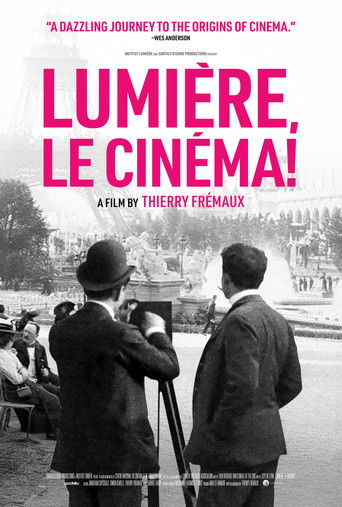
In one of those wonderful coincidences of history, lumière, the French word for “light,” was also the last name of brothers Auguste and Louis, whose brilliant invention, the cinematograph, helped to inaugurate the most beloved art form of the last 130 years. Institute Lumière director Thierry Frémaux uses Lumière, Le Cinema! to guide the viewer through over a hundred shorts—some famous, some forgotten, some never before seen—directed by Lumière and company. In the process, Frémaux illuminates how the brothers employed the camera as a creative instrument as they (and their operators) mastered framing, staging, and subject selection for quotidian and exotic microdocumentaries as well as the first ever fictional motion pictures. The result is not only a glorious re(telling) of the genesis of cinema but a profound meditation on the beautiful world captured—and the mysterious world imagined—by the Lumières.
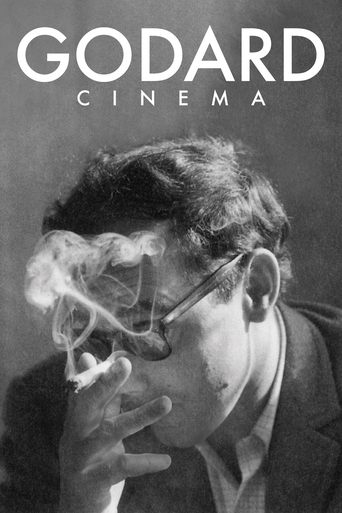
Jean-Luc Godard is synonymous with cinema. With the release of Breathless in 1960, he established himself overnight as a cinematic rebel and symbol for the era's progressive and anti-war youth. Sixty-two years and 140 films later, Godard is among the most renowned artists of all time, taught in every film school yet still shrouded in mystery. One of the founders of the French New Wave, political agitator, revolutionary misanthrope, film theorist and critic, the list of his descriptors goes on and on. Godard Cinema offers an opportunity for film lovers to look back at his career and the subjects and themes that obsessed him, while paying tribute to the ineffable essence of the most revered French director of all time.
Every woman wants him, every man wants to be him: Mozart’s version of the irresistible rogue who brings excitement with him and leaves destruction it his wake has always attracted top singing actors, as in this performance brilliantly led by James Levine. Samuel Ramey is Don Giovanni, pursued by the incandescent Karita Mattila (Donna Elvira) in her Met debut season and role, and by the white-hot avenging fury of Carol Vaness (Donna Anna.) Ferruccio Furlanetto delivers a masterful comic turn as the Don’s servant, Leporello.
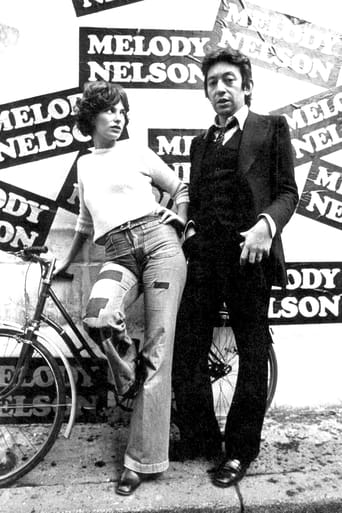
Although Gainsbourg and Birkin had appeared in a string of films since their magnetic collision in Pierre Grimblat’s Slogan, Melody was a bit of diversion from their collaborations since it’s a series of interwoven videos inspired by the Gainsbourgalbum. For '71 it’s a novel concept to bring visual life to an LP, but even more surprising are the short film’s amazing visuals that director Averty crafted using a wealth of video filters, overlays, camera movements and chroma key effects. Averty applies these in tandem with the increasing tone of Gainsbourg’s songs, which more or less chronicle an older man's affair with a young girl. Each song is comprised of steady, sometimes brooding poetic delivery, with refrains timed to the phrase repeats of each song, while Alan Parker’s buzzing guitar accompanies and wiggles around Gainsbourg’s resonant voice. The bass is fat and groovy, the drums easy but steady, and the periodic use of strings or rich vibrato makes this short a sultry little gem.