

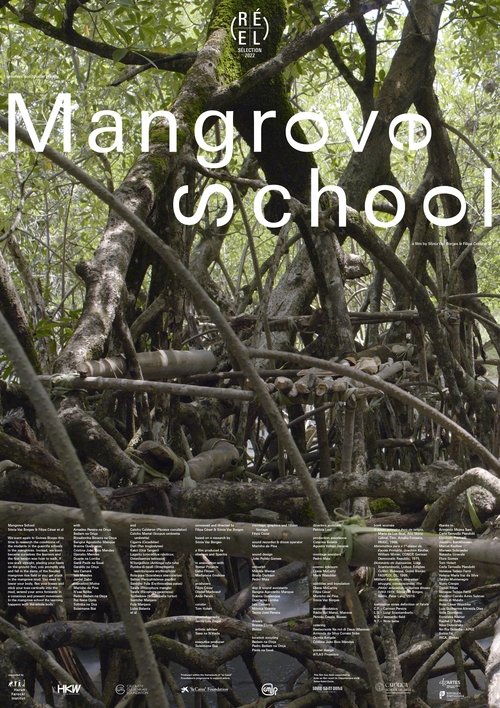
Mangrove School
Documentary
Overview
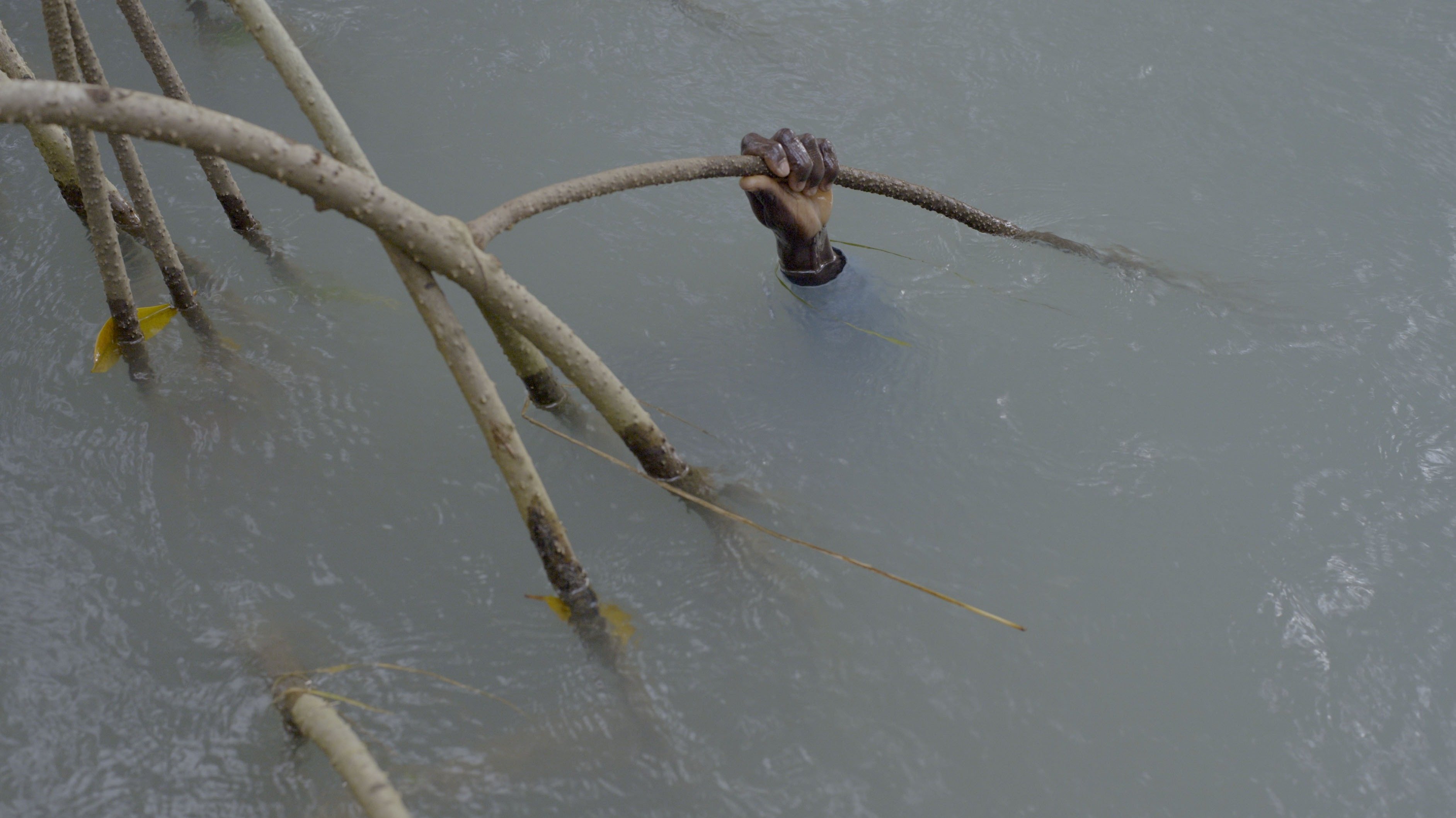
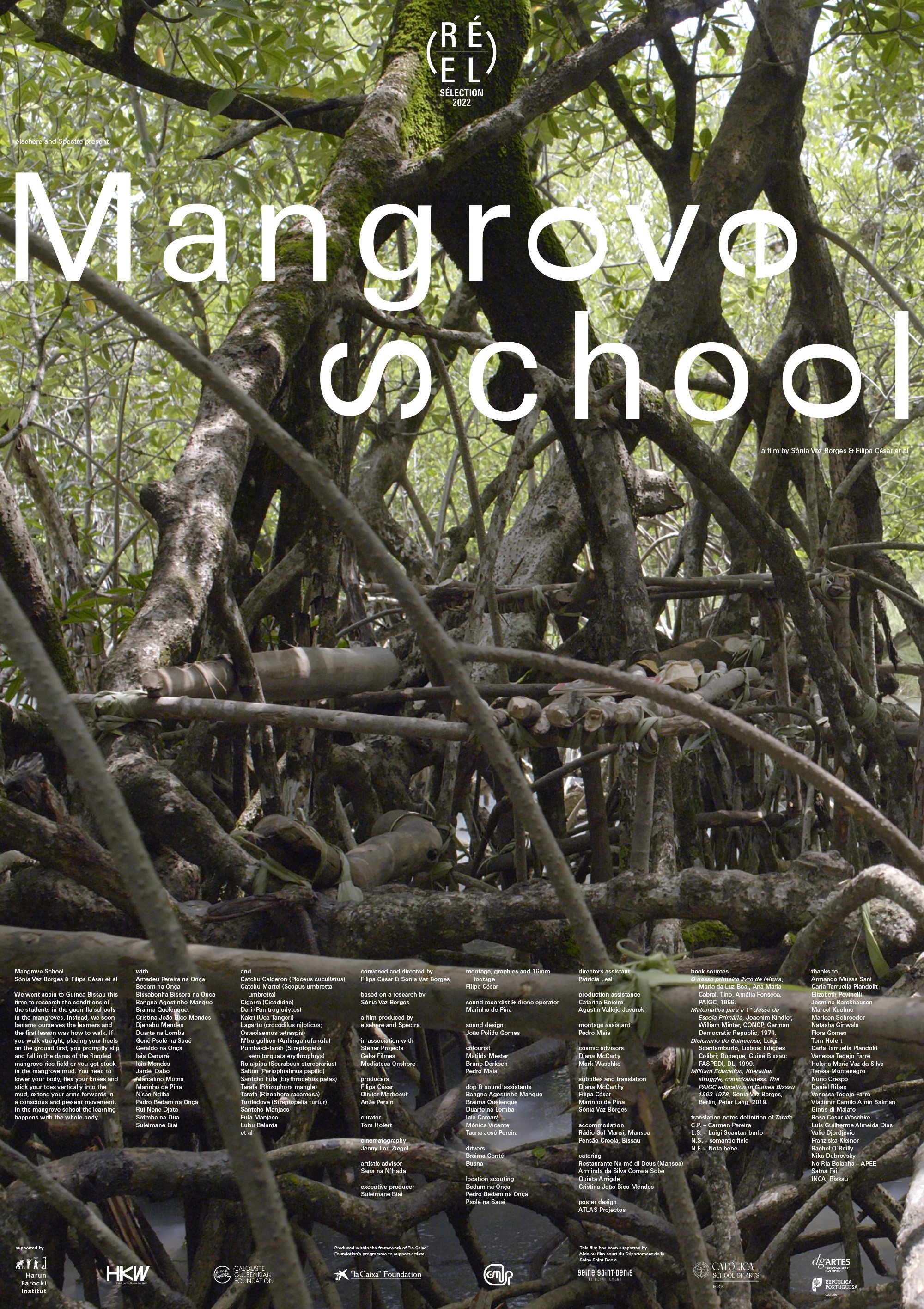
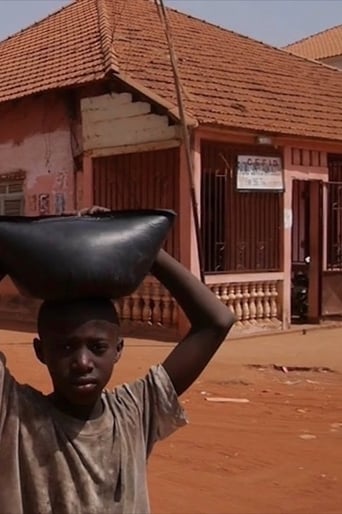
We went to research the conditions of the students in the guerrilla schools in the mangroves. Instead, we soon became ourselves the learners and the first lesson was how to walk. In the mangrove school the learning happens with the whole body.

No cast information.
Similar Movies
Stolen Kosovo is a Czech language documentary by director Václav Dvořák (b. 1948), about the Serbian–Albanian conflict in Kosovo. The documentary describes the situation, first in a short overview of the history of the area, followed by the 1990s conflicts and bombing of Serbia by NATO forces in 1999 and ending with the situation after the Kosovo War. The documentary focuses on the 1990s in the time of Slobodan Milošević's rule as well as on numerous interviews of Serbian civilians and, less, of Albanian insurgents against the Milošević regime.
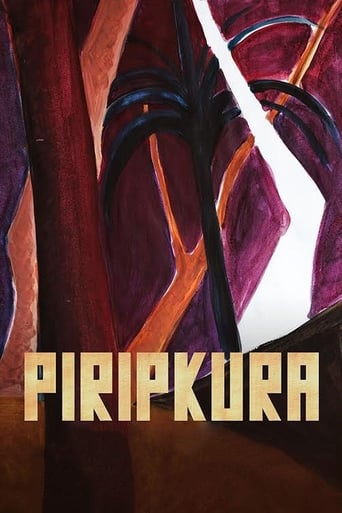
The last two surviving members of the Piripkura people, a nomadic tribe in the Mato Grosso region of Brazil, struggle to maintain their indigenous way of life amidst the region's massive deforestation. Living deep in the rainforest, Pakyî and Tamandua live off the land relying on a machete, an ax, and a torch lit in 1998.
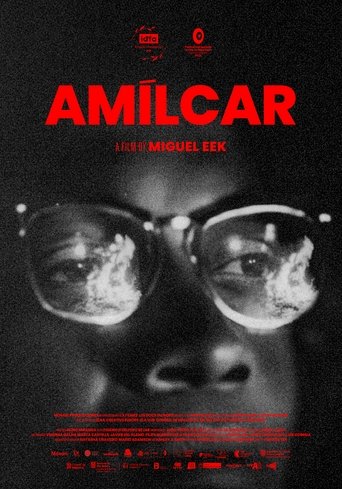
Poet, agricultural engineer and revolutionary Amílcar Cabral was born in Guinea-Bissau to Cape Verdean parents. After studying in Portugal, he emerged as the charismatic leader of the anti-colonial struggle against Portuguese rule. With his utopian ideas, he sparked a cultural and an armed uprising that went on to inspire other African liberation movements.
During the Napoleonic Wars the British Army realised that it needed skirmishers, as a result it raised 2 Rifle Regiments both armed with the icon Baker Rifle. This programme explains how the Riflemen of the 95th Rifles were dressed and equipped. It is an ideal accompaniment to our Series on the 95th Rifles.
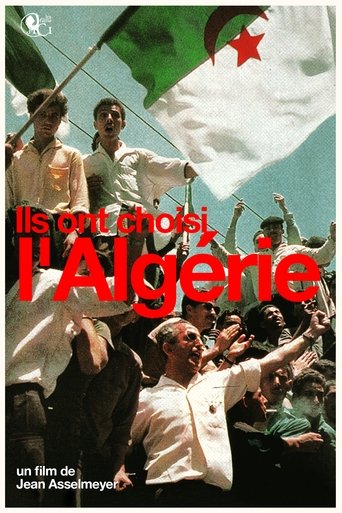
Many of them participated in the struggle for Algerian independence. There are "those who believed in heaven", priests, Christians committed against torture, friends of the "natives", there are "those who did not believe in it", communist activists, students, progressive intellectuals, others remained in this country because they could not imagine living anywhere other than in this land of all passions. They are European and chose to stay in Algeria after independence, most of them opted for Algerian nationality. The film is another vision of the history of Algeria from the end of the fifties to the present day, told by these Europeans filmed at home, or in the context of their activities, illustrated by unpublished archive documents.
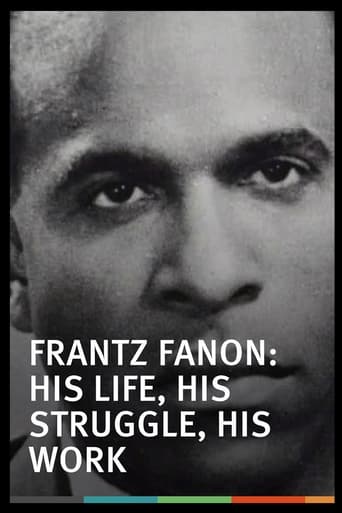
It is the evocation of a life as brief as it is dense. An encounter with a dazzling thought, that of Frantz Fanon, a psychiatrist of West Indian origin, who will reflect on the alienation of black people. It is the evocation of a man of reflection who refuses to close his eyes, of the man of action who devoted himself body and soul to the liberation struggle of the Algerian people and who will become, through his political commitment, his fight, and his writings, one of the figures of the anti-colonialist struggle. Before being killed at the age of 36 by leukemia, on December 6, 1961. His body was buried by Chadli Bendjedid, who later became Algerian president, in Algeria, at the Chouhadas cemetery (cemetery of war martyrs ). With him, three of his works are buried: “Black Skin, White Masks”, “L’An V De La Révolution Algérien” and “The Wretched of the Earth”.
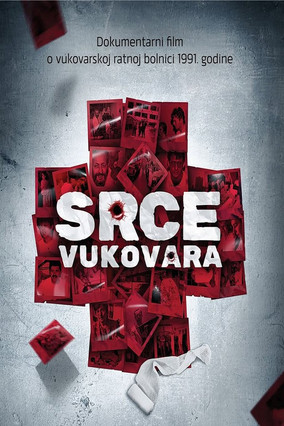
The Heart of Vukovar is a Croatian documentary which shows the events of the Vukovar war hospital during the Croatian Homeland War. The hospital was a symbol of the defense of Vukovar agains the occupying Serbian forces. The movie shows how it managed to operate under impossible conditions after being bombarded, up until the day the city fell to occupying forces

Filmed immediately after the end of the civil war in Angola, Há Sempre Alguém Que Te Ama records the return of Pocas Pascoal to the country where she was born, in an attempt to reconstruct the episode that, in 1975, led to the capture of the director along with her mother and sisters. An intimate documentary about memory and self-(re)construction.
The life of Malan Mané, once the star singer of the legendary band Super Mama Djombo from Guinea-Bissau, is turned upside down from one day to the next: After 30 years in exile in France, he is now allowed to sing in a sold-out stadium in Bissau, see his country again and return to the studio to finally complete the album he started decades ago.