

A proposito dell'Angola
Documentary
Top Cast


João Borges
João Borges
himself
João Borges
himself
Américo Boavida
Américo Boavida
himself
Américo Boavida
himself
Agostinho Neto
Agostinho Neto
himself
Agostinho Neto
himself
Similar Movies
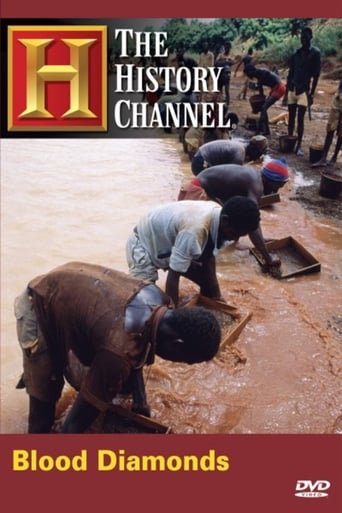
Blood Diamonds is a made-for-TV documentary series, originally broadcast on the History Channel, that looks into the trade of diamonds which fund rebellions and wars in many African nations. The program focuses primarily on two nations: Sierra Leone and Angola. Diamonds which are traded for this purpose are known as blood diamonds.
Sissako visits a war-torn Angola after thirty years of war in search of a friend and thereby through interviews reflects on the lost utopias of a generation of Africans who experienced the liberation struggles. His camera is witness to the dislocation and despair of those he encounters living in Angola, however he also discovers the resilient spirit of Africa and optimism for its future in unexpected ways.
The last two surviving members of the Piripkura people, a nomadic tribe in the Mato Grosso region of Brazil, struggle to maintain their indigenous way of life amidst the region's massive deforestation. Living deep in the rainforest, Pakyî and Tamandua live off the land relying on a machete, an ax, and a torch lit in 1998.
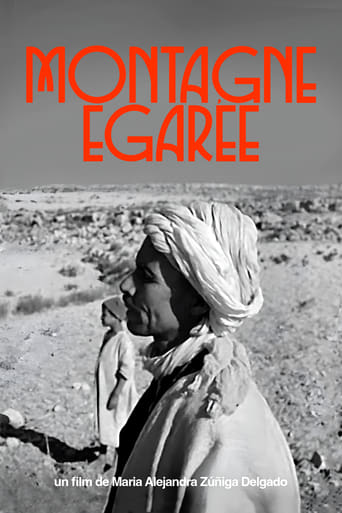
On November 1, 1954, the National Liberation Front of Algeria announced the war for the country's independence. France, colonizer since 1830, hastened to reinforce its military contingent in the four corners of the country and to prevent the advance of the rebels. A little Chaoui, born in a mountainous region of the country, sees his placid childhood collapse in the middle of a crossfire that he does not understand. The story, inspired by real testimonies, is constructed with images from the archives of the French army. From this apparently dissociated dialogue between image and word arises a sensitive homage to the memory that rests in the archives and to the ignored voice of its protagonists.
In 1961 the liberation struggles start in Angola against the portuguese colonial power. The African students in Portugal fear for their safety and plan to flee outside the country. With the help of Theology students, French and North-American pastors, the operation code name "Angola" fled over 100 african students abroad towards freedom, amongst them several future leaders of african countries.
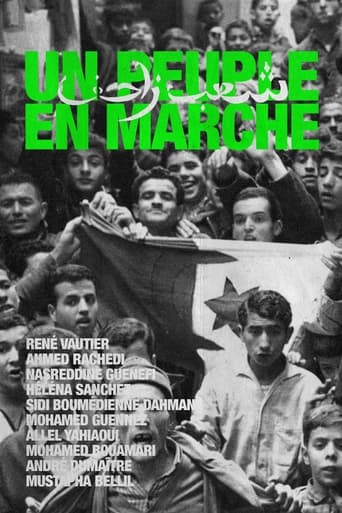
In 1962, René Vautier, together with some Algerian friends, organised the audio-visual formation centre Ben Aknoun to encourage a "dialogue in images" between the two factions. Together with his students he made a film that shows the history of the Algerian War and of the ALN (National Liberation Army), and life during the reconstruction.
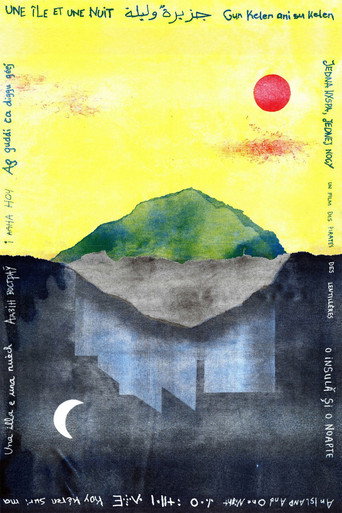
Around the fire, travellers and pirates recount their memories, their dreams, their battles. From one language to another, from story to story, we hear the roar of the storm and the rustle of the leaves, the menacing sirens and the wild dances, the clash of the swords and the song of the birds. Until dawn, a thousand and one paths take shape on this imaginary yet real island.
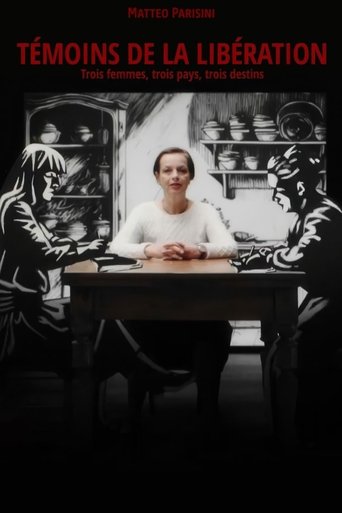
The end of World War II brings Europe a new political system, reshapes national and personal identities. Three women from Milan, Paris and Berlin report on the days of liberation in their diaries. Their personal stories expand the historical picture and make LIBERATION DIARIES a chronicle of female self-empowerment, resistance and resilience.
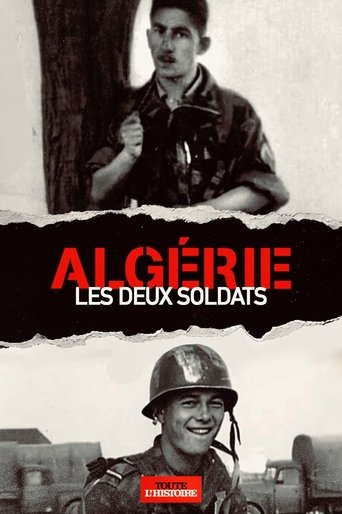
"Algeria, The Two Soldiers" tells the true story of two young French soldiers during the Algerian War, who were driven in two completely opposite directions by the same keen sense of honor: Noël Favrelière deserted to free a young Algerian Muslim prisoner who was going to be executed, and René Técourt, to continue the fight for French Algeria alongside the OAS ultras. Two emblematic examples, which describe in a direct, carnal way, what happened there.

Captures the tenacity and diversity of Angolan society. Beginning with a brief history of Angola's war for independence from Portugal, the documentary's up-beat pacing provides an engaging overview of Angola's social and economic landscape. City life, music, the economy, rural communities, and the effects of civil war and apartheid in neighboring South Africa are covered using scenes of every day life in Angola and commentaries from Angolans themselves.