

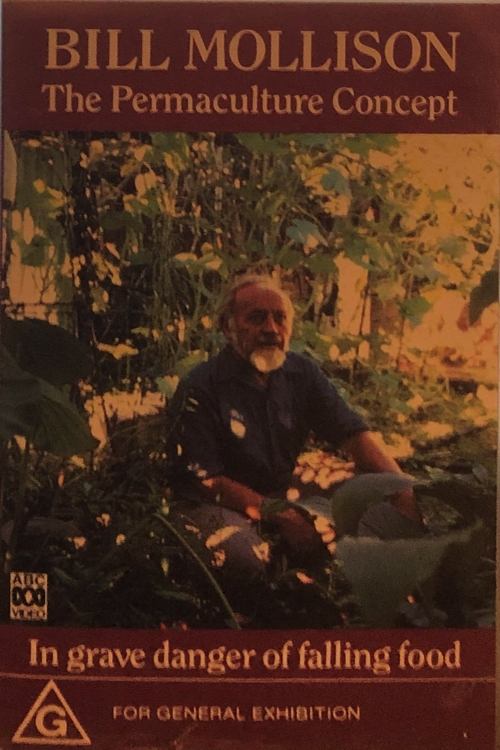
In Grave Danger of Falling Food
Documentary
Overview
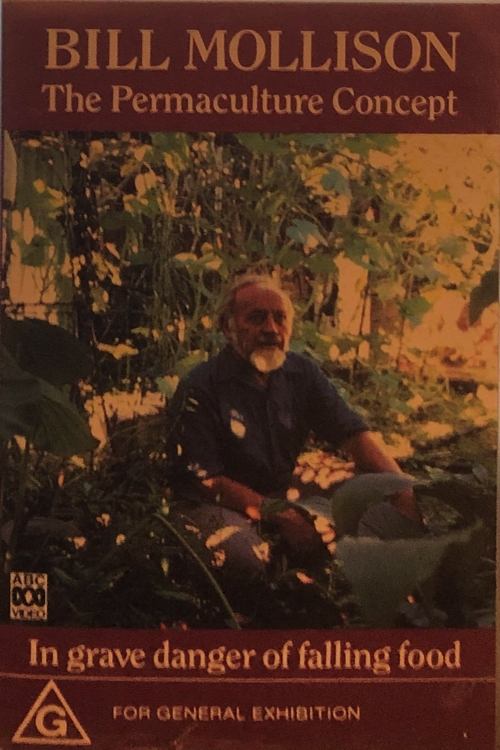
In this introductory video to permaculture, Bill Mollison, the movement’s co-founder, takes the viewer through the history and developments of the movement. With startlingly laconic humor and insight he deconstructs the modern agribusiness and the “modern plague” : manicured ornamental lawns. In this video he offers an antidote, which is an antidote to both our currently unsustainable practices and our unsustainable culture. Both of these have to change and adapt. Permanently.
Top Cast
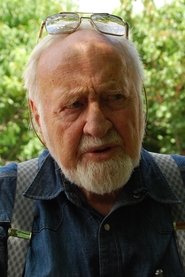
Bill Mollison
Bill Mollison
Himself
Bill Mollison
Himself
Similar Movies
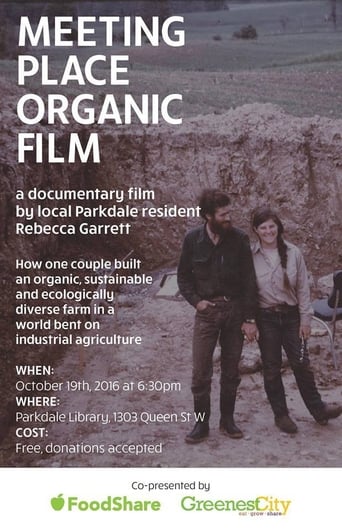
Local, organic, and sustainable are words we associate with food production today, but 40 years ago, when Fran and Tony McQuail started farming in Southwestern Ontario, they were barely spoken. Since 1973, the McQuails have been helping to build the organic farming community and support the next generation of organic farmers. This is a documentary about the McQuails that explores the very real ways their farm has contributed to the long term ecological viability of agriculture in Ontario. It is a call to action for all those who believe there is a better way to take care of our planet and feed the world.
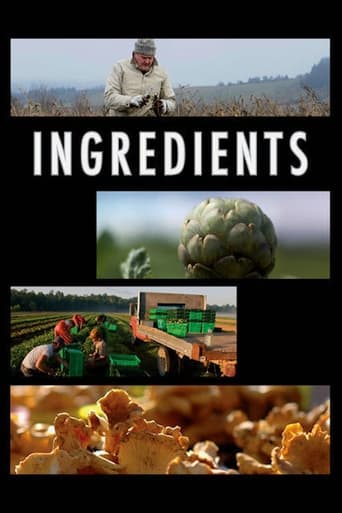
At the focal point of this movement, and of this film, are the farmers and chefs who are creating a truly sustainable food system. Their collaborative work has resulted in great tasting food and an explosion of consumer awareness about the benefits of eating local. Attention being paid to the local food movement comes at a time when the failings of our current industrialized food system are becoming all too clear. For the first time in history, our children's generation is expected to have a shorter lifespan than our own. The quality, taste and nutritional value of the food we eat has dropped sharply over the last fifty years. Shipped from ever-greater distances, we have literally lost sight of where our food comes from and in the process, we've lost a vital connection to our local community and to our health.
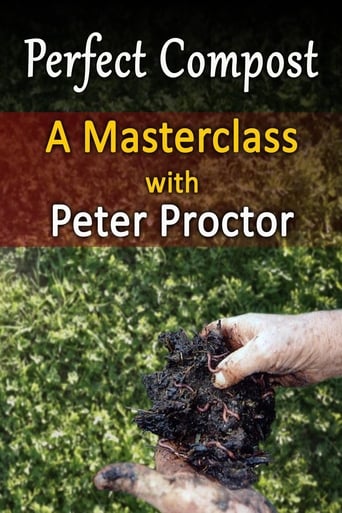
Peter Proctor is New Zealand's father of biodynamic agriculture. Peter has been gardening and making compost for over 65 years. "Biodymanics makes organics work." Compost is the fundamental element in all gardening & farming. This master class takes you through the biodynamic compost making process from gathering and assembling your materials to creating the perfect compost heap. Rudolf Steiner believed biodynamic compoast was the foundation of humanity and the vital link between the cosmos and the earth. In Perfect Compost, Peter Proctor walks you through every step to building perfect compost.
Within the last half century, our agriculture and food has changed more than it has changed before in several thousand years. New technologies and scientific ingenuity have given rise to genetically modified organisms (GMO) and other novel foods. Some people have raised concerns about the safety of GMOs in our food supply, given their incredible dominance in the majority of our diet. Traditional, organic farmers, have consistently been under attack by large corporate farming interests, who seek to dominate the food industry and run family farms out of business. This film looks at our current food system as well as a variety of smaller, organic options available to consumers who want to support sustainable farming methods.

In 1923, Rudolf Steiner, an Austrian scientist, philosopher & social innovator, predicted that in 80 to 100 years honeybees would collapse. Now, beekeepers around the United States and around the world are reporting an incredible loss of honeybees, a phenomenon deemed "Colony Collapse Disorder." This "pandemic" is indicated by bees disappearing in mass numbers from their hives with no clear single explanation. The queen is there, honey is there, but the bees are gone. For the first time, in an alarming inquiry into the insights behind Steiner's prediction QUEEN OF THE SUN: What Are the Bees Telling Us? investigates the long-term causes behind the dire global bee crisis through the eyes of biodynamic beekeepers, commercial beekeepers, scientists and philosophers.