


Documentary · History
Overview
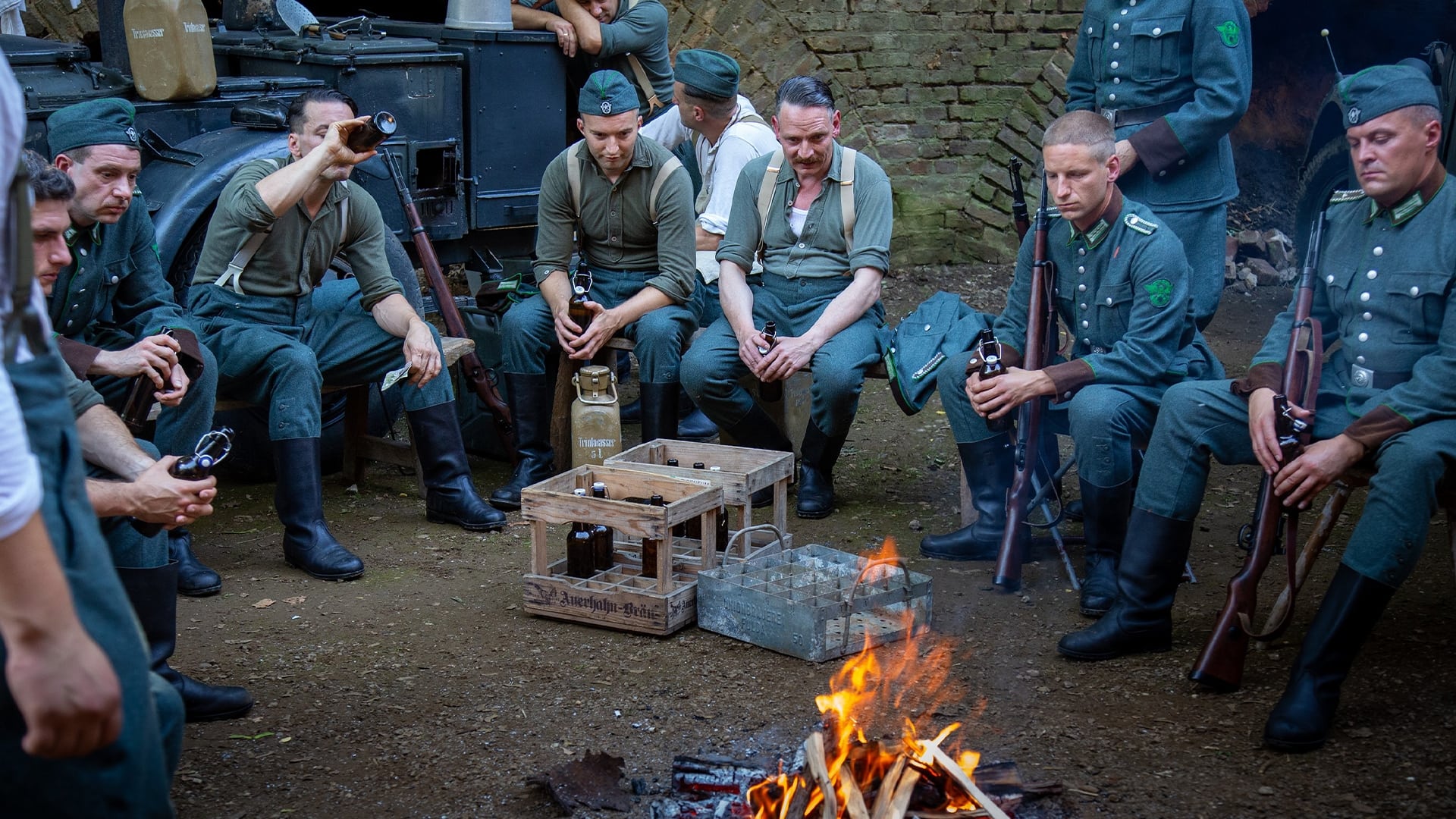
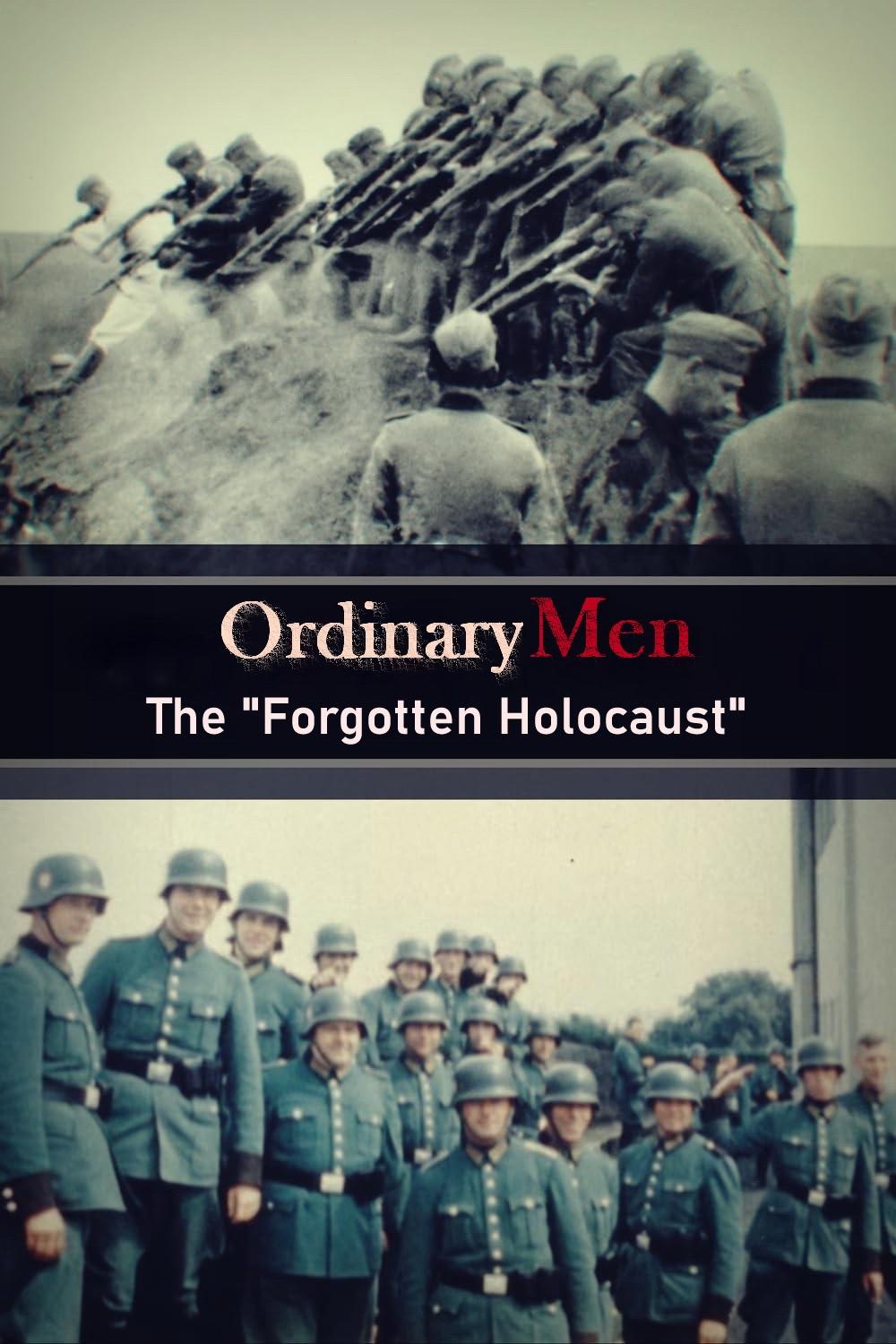
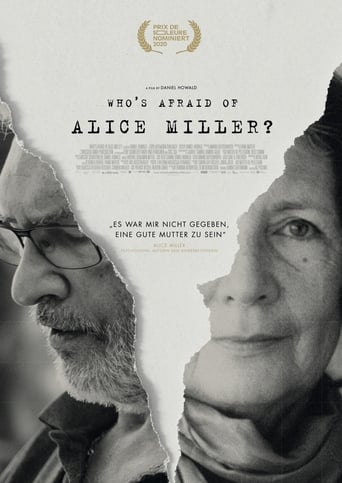
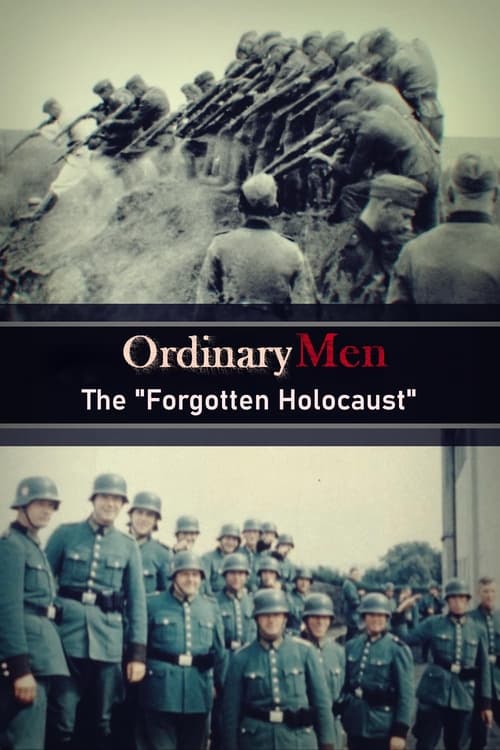
Six million Jews died during World War II, both in the extermination camps and murdered by the mobile commandos of the Einsatzgruppen and police battalions, whose members shot men, women and children, day after day, obediently, as if it were a normal job, a fact that is hardly known today. Who were these men and how could they commit such crimes?
Top Cast
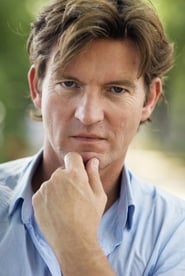
Philipp Moog
Self - Narrator (voice)
Christopher R. Browning
Self - Historian
Hilary Earl
Self - Historian
Stefan Klemp
Self - Historian
Stefan Kühl
Self - Sociologist
Harald Welzer
Self - Social Psychologist
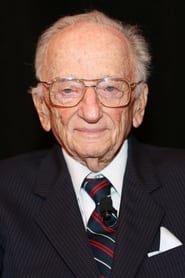
Benjamin Ferencz
Self - Jurist
Markus Friedmann
Reenactment Performer
Philine Conrad
Reenactment Performer

Roman Boeer de Garcez
Reenactment Performer
Johnny Engelmann
Reenactment Performer
Andreas Heine
Reenactment Performer


Philipp Moog
Philipp Moog
Self - Narrator (voice)
Philipp Moog
Self - Narrator (voice)
Christopher R. Browning
Christopher R. Browning
Self - Historian
Christopher R. Browning
Self - Historian
Hilary Earl
Hilary Earl
Self - Historian
Hilary Earl
Self - Historian
Stefan Klemp
Stefan Klemp
Self - Historian
Stefan Klemp
Self - Historian
Stefan Kühl
Stefan Kühl
Self - Sociologist
Stefan Kühl
Self - Sociologist
Harald Welzer
Harald Welzer
Self - Social Psychologist
Harald Welzer
Self - Social Psychologist
Benjamin Ferencz
Benjamin Ferencz
Self - Jurist
Benjamin Ferencz
Self - Jurist
Markus Friedmann
Markus Friedmann
Reenactment Performer
Markus Friedmann
Reenactment Performer
Philine Conrad
Philine Conrad
Reenactment Performer
Philine Conrad
Reenactment Performer
Roman Boeer de Garcez
Roman Boeer de Garcez
Reenactment Performer
Roman Boeer de Garcez
Reenactment Performer
Similar Movies
Part of the Canada Carries On series, this short film portrays the First Division of the Canadian Active Service Force in Aldershot, England. Using an intimate letter home as a narrative device, this film reveals how the troops were received, what their living conditions were like, how they would get along with their English allies and how they spent their leisure time.
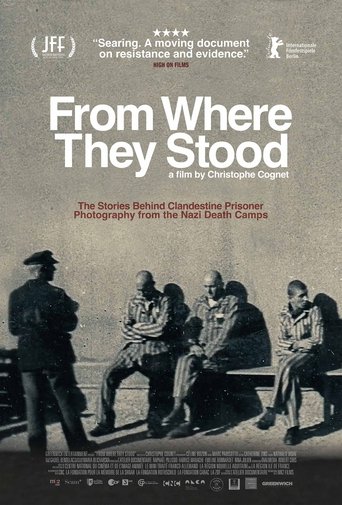
A handful of prisoners in WWII camps risked their lives to take clandestine photographs and document the hell the Nazis were hiding from the world. In the vestiges of the camps, director Christophe Cognet retraces the footsteps of these courageous men and women in a quest to unearth the circumstances and the stories behind their photographs, composing as such an archeology of images as acts of defiance.
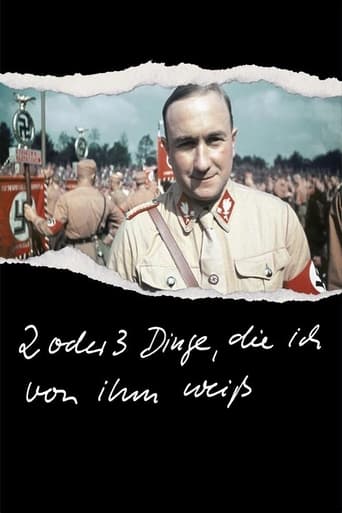
What would your family reminiscences about dad sound like if he had been an early supporter of Hitler’s, a leader of the notorious SA and the Third Reich’s minister in charge of Slovakia, including its Final Solution? Executed as a war criminal in 1947, Hanns Ludin left behind a grieving widow and six young children, the youngest of whom became a filmmaker. It's a fascinating, maddening, sometimes even humorous look at what the director calls "a typical German story." (Film Forum)
1981: for the first time, contemporary witnesses of the Holocaust speak on German television in the two-part documentary "Witnesses - Testimonies to the Murder of a People" - at prime time on the first channel. Only 36 years after the Second World War, Bremen filmmaker Karl Fruchtmann has created a counter-design to the US drama series "Holocaust". While there are hardly any people left today who can personally recount their experiences of the Holocaust, there were still many contemporary witnesses in the early 1980s for whom the murder of the European Jews was still very present. Karl Fruchtmann interviewed 60 survivors of the Nazi concentration camps in Israel and Poland, the tapes are in the archives of Radio Bremen, almost 80 hours of interviews, a historical legacy! Only a small part of them has been published so far.
When the lights dim and the stage is revealed, Meschke channels life through the strings of his puppets, triggering the spiritual connection between the creator and his alter-egos: the charismatic Don Quixote, the loving Penelope, the inquisitive Baptiste, or the mysterious Antigone. THE MAN WHO MADE ANGELS FLY is a poetic story about a master of his craft that has inspired audiences to reflect upon common issues of suffering and the mortal coil. Visionary and un-biographic, imaginary tribute to the puppeteer.
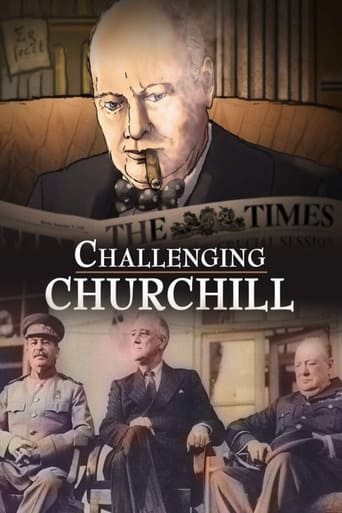
Churchill, a name typically associated with braveness and altruism. Recently found evidence from Soviet and British sources however brings up questions about Churchill's doings in the conferences of Tehran, Yalta and Potsdam. Why did he agree to give Stalin large parts of Poland? The story of two world leaders in times of war - it is also the story of Poland.
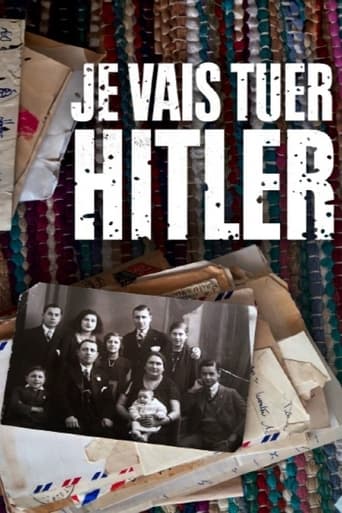
One day, in Savigny, an 18-year-old boy left his house in the middle of the war, saying: "I'm leaving, I'm going to kill Hitler." His name was Joseph, he was Jewish, he was my great-uncle. He disappeared during the night of the Occupation, and his existence became a family secret. He disappeared from history, the small as well as the big: he is not on any deportation list, and the only archive where he appears is a family photo of him as a child. It disappeared like a stone at the bottom of the water, instead of going up in smoke in the sky of Poland. What did he become? And why didn't anyone mention his name anymore?