

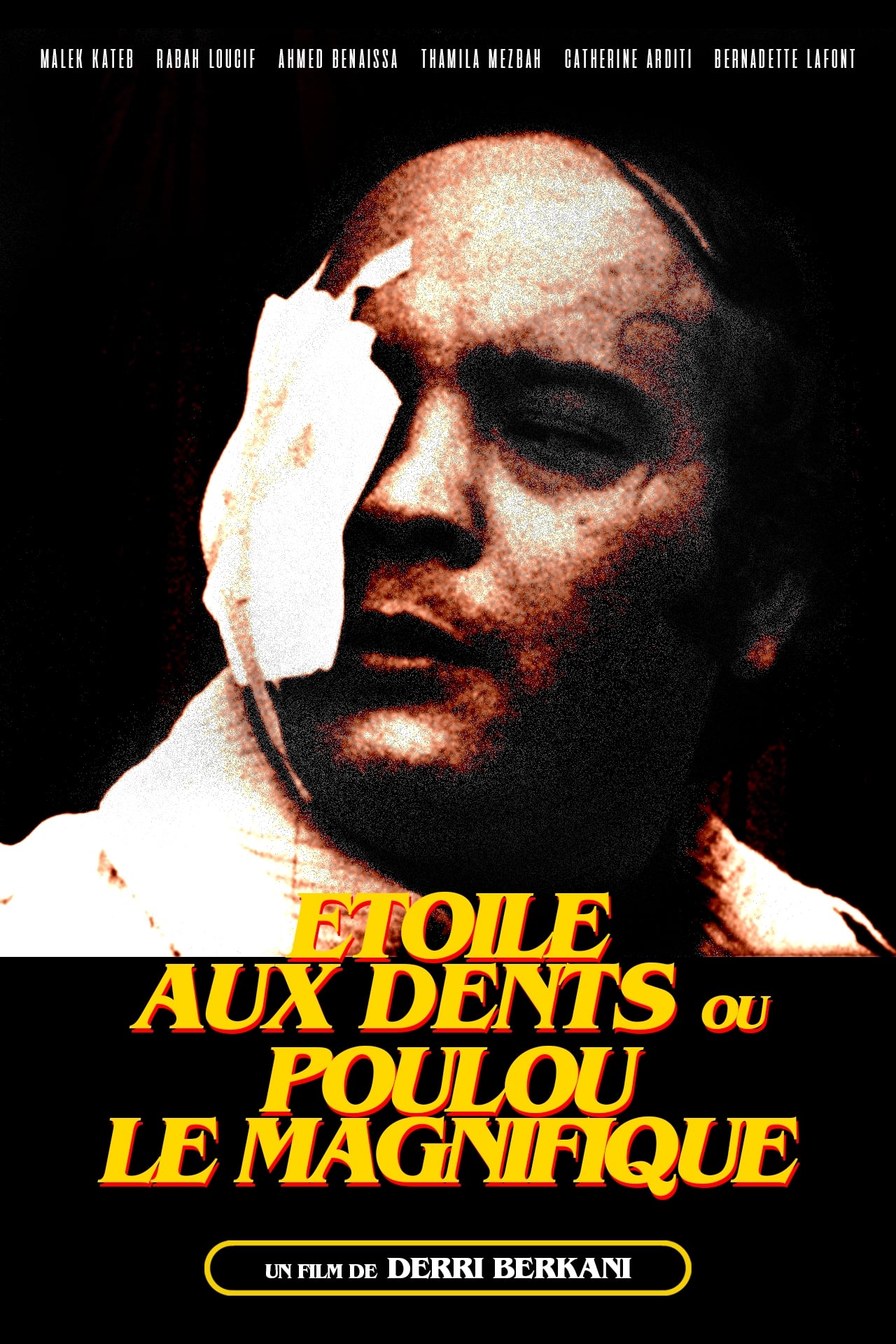
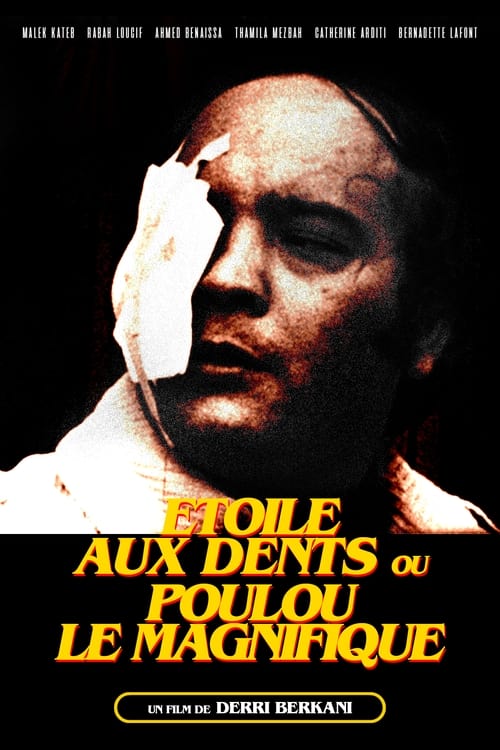
Étoile aux dents ou Poulou le magnifique
Drama · Comedy
Overview
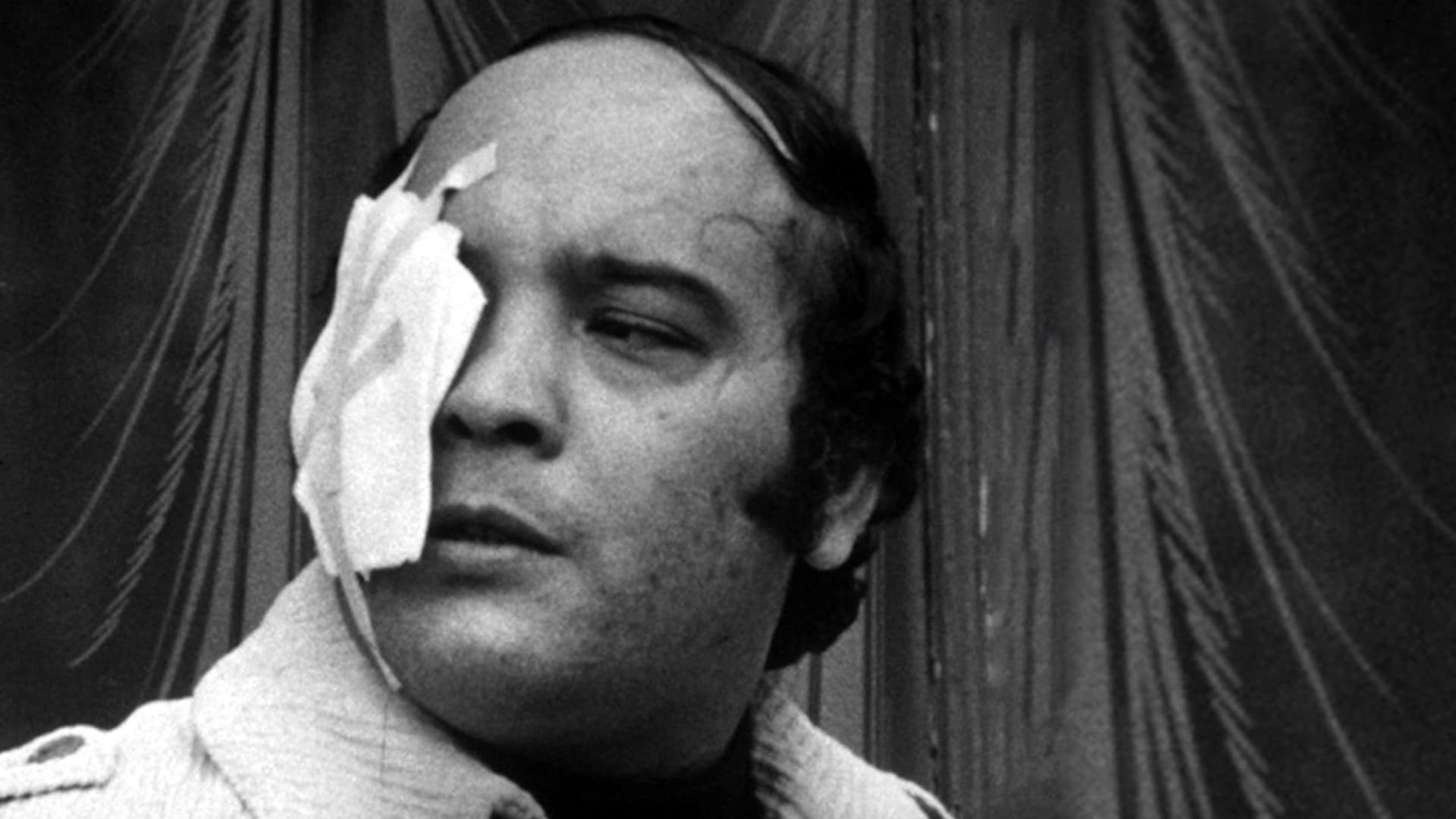
In the 70s, in the Goutte d'or district, three friends of Algerian origin: Poulou, a failed boxer, Amar, the clumsiest of thieves, and Jibé, a public writer for illiterate compatriots whose lives he knows in detail. As he betrays none of their secrets, he enjoys great prestige in the bistros where he works. The three of them lead a casual life, raising money by illicit means. It's only when Poulou and Amar leave that Jibé understands his isolation and marginalization. The images as well as the sounds help to reinforce the feeling that Paris is a city where he is both at home and a terrible stranger.



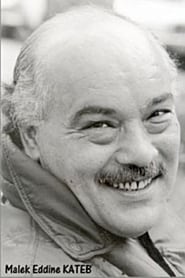
Malek Kateb
Malek Kateb
Poulou
Malek Kateb
Poulou

Rabah Loucif
Rabah Loucif
Amar
Rabah Loucif
Amar
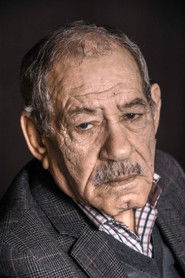
Ahmed Benaissa
Ahmed Benaissa
Jibé
Ahmed Benaissa
Jibé
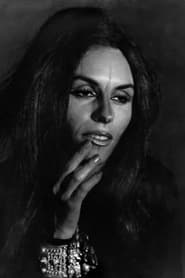
Thamila Mezbah
Thamila Mezbah
Thamila Mezbah

Catherine Arditi
Catherine Arditi
L'employée de la librairie
Catherine Arditi
L'employée de la librairie
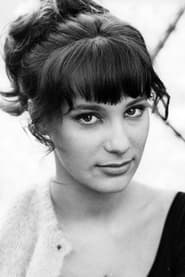
Bernadette Lafont
Bernadette Lafont
La libraire
Bernadette Lafont
La libraire

Charlotte Maury-Sentier
Charlotte Maury-Sentier
La prostituée
Charlotte Maury-Sentier
La prostituée
Dimitri Andréou
Dimitri Andréou
Dimitri Andréou

Sophie de La Rochefoucauld
Sophie de La Rochefoucauld
La petite Sophie
Sophie de La Rochefoucauld
La petite Sophie
Similar Movies
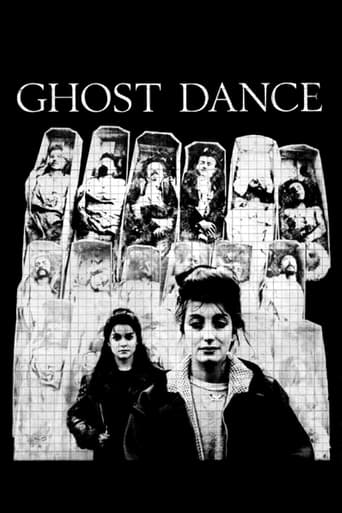
Through the experiences of two women in Paris and London, Ghost Dance offers an analysis of the complexity of our conceptions of ghosts, memory and the past. The film focuses on the French philosopher Jacques Derrida, who observes, 'I think cinema, when it's not boring, is the art of letting ghosts come back.' He also says that 'memory is the past that has never had the form of the present.'
This excellent feature-length documentary - the story of the imperialist colonization of Africa - is a film about death. Its most shocking sequences derive from the captured French film archives in Algeria containing - unbelievably - masses of French-shot documentary footage of their tortures, massacres and executions of Algerians. The real death of children, passers-by, resistance fighters, one after the other, becomes unbearable. Rather than be blatant propaganda, the film convinces entirely by its visual evidence, constituting an object lesson for revolutionary cinema.
In prison in colonial Algeria, shortly after the end of the Second World War, three indigenous cellmates make out. Once free, they attack the authority represented by the triad of the boss, the gendarme and the administrator. “Living the colonial condition,” confided Tewfik Farès, “is something! It’s not sociologically or historically speaking. It’s life. And I think that’s all there in it. [...] For a hundred and thirty years, we wait. We hold back. We push back. We hope. At the same time, on different occasions, there are skirmishes, unrest.