

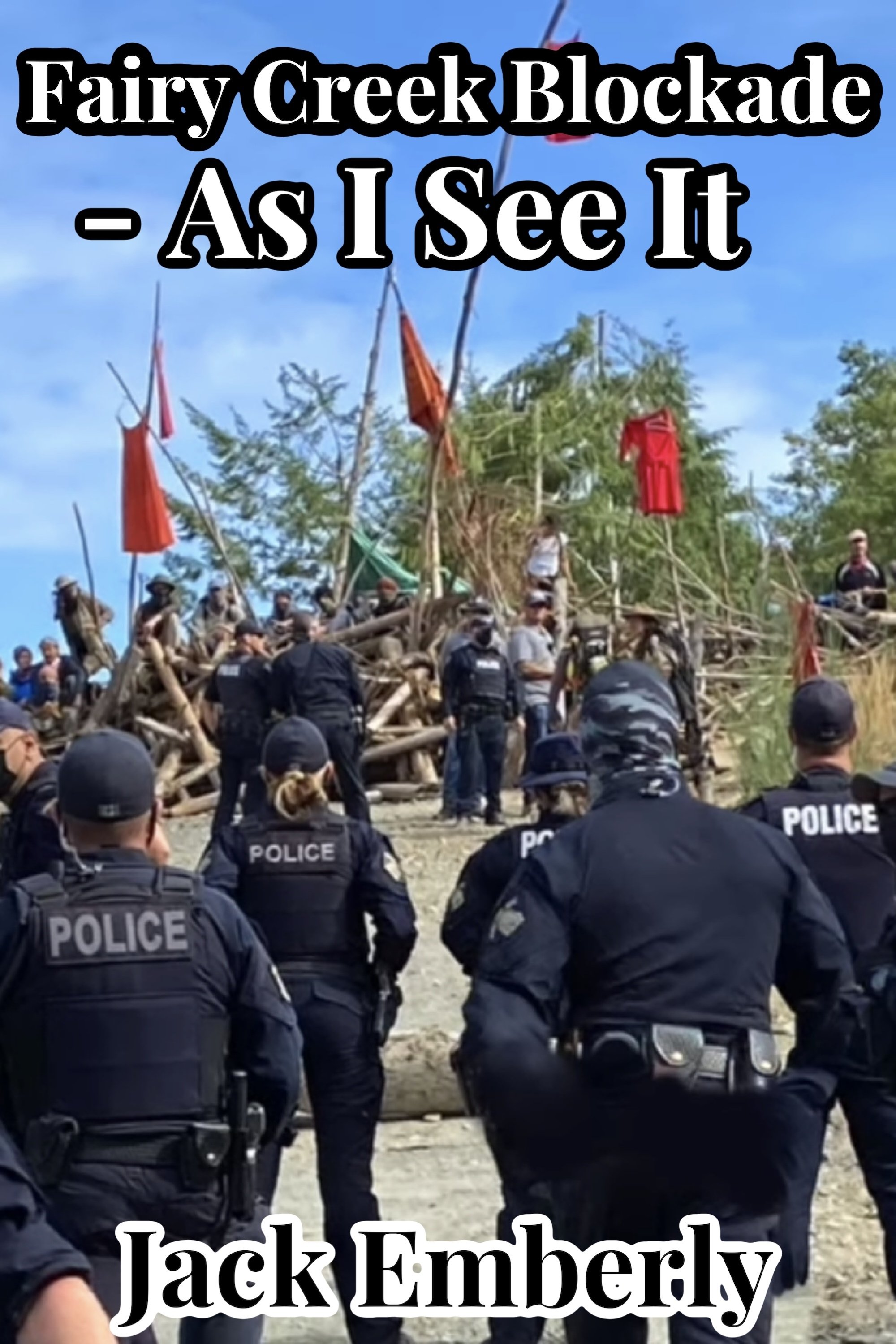
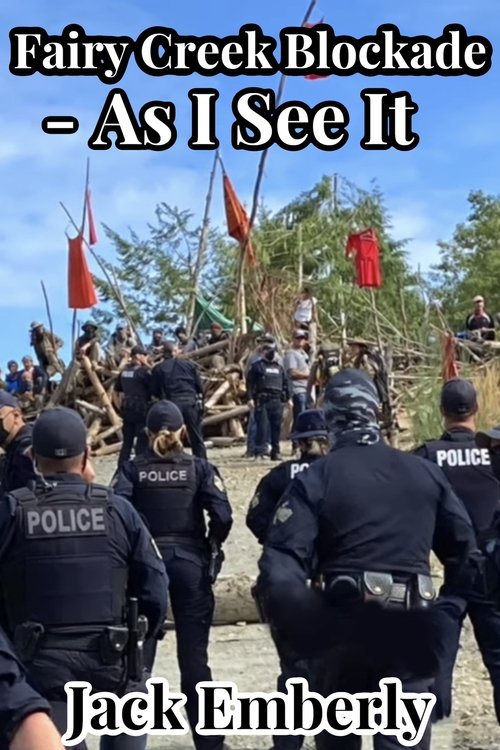
Fairy Creek Blockade - As I See It
Documentary
Overview
Mainland reporter hears about protest on Vancouver Island and decides to visit and see it for himself. He spends time to meet people there from both sides, revealing what it is really all about.


No cast information.
Similar Movies
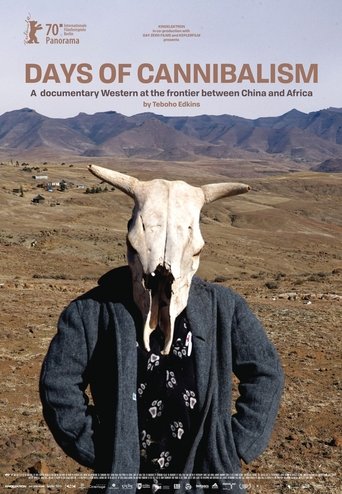
A Western-like documentary set in a remote rural region in Lesotho: a frontier space where the ways of modern society are of little, if any, value. The arrival of economic migrants from China has irrevocably upset the balance of power, as old laws and ancient gods are doddering away. Subtle moments and small gestures reveal the trauma of expatriation, the burden of personal sacrifice, solitude and alienation, as well as the painful experience of otherness. As old structures begin to disintegrate and violence is about to erupt, one rule asserts itself above all others: eat or be eaten.
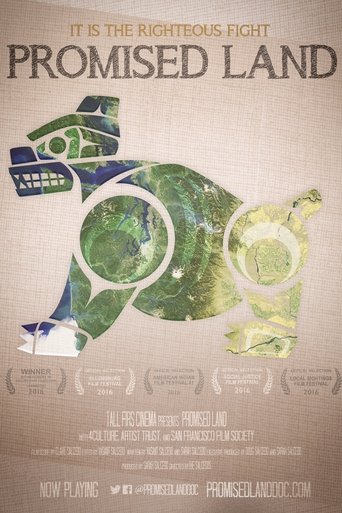
Promised Land is a social justice documentary that follows two tribes in the Pacific Northwest: the Duwamish and the Chinook, as they fight for the restoration of treaty rights they've long been denied. In following their story, the film examines a larger problem in the way that the government and society still looks at tribal sovereignty.
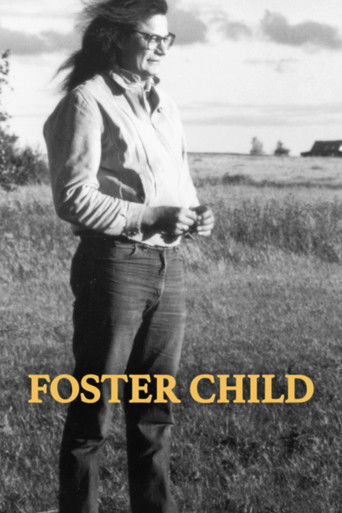
Gil Cardinal searches for his natural family and an understanding of the circumstances that led to his becoming a foster child. An important figure in the history of Canadian Indigenous filmmaking, Gil Cardinal was born to a Métis mother but raised by a non-Indigenous foster family, and with this auto-biographical documentary he charts his efforts to find his biological mother and to understand why he was removed from her. Considered a milestone in documentary cinema, it addressed the country’s internal colonialism in a profoundly personal manner, winning a Special Jury Prize at Banff and multiple international awards.
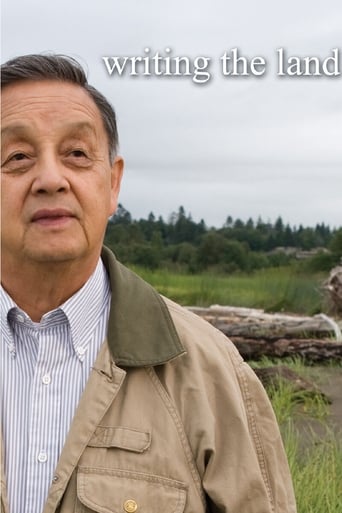
In this short documentary, a Musqueam elder rediscovers his Native language and traditions in the city of Vancouver, in the vicinity of which the Musqueam people have lived for thousands of years. Writing the Land captures the ever-changing nature of a modern city - the glass and steel towers cut against the sky, grass, trees and a sudden flash of birds in flight and the enduring power of language to shape perception and create memory.
The title of this video, taken from the texts of the architect Kengo Kuma, suggests a way of looking at everything as “interconnected and intertwined” - such as the historical and the present and the tool and the artifact. Images and representations of two structures in the Portland Metropolitan Area that have direct and complicated connections to the Chinookan people who inhabit(ed) the land are woven with audio tapes of one of the last speakers of chinuk wawa, the Chinookan creole. These localities of matter resist their reduction into objects, and call anew for space and time given to wandering as a deliberate act, and the empowerment of shared utility.
In Nevada’s remote Thacker Pass, a fight for our future is playing out between local Indigenous tribes and powerful state and corporate entities hellbent on mining the lithium beneath their land. Vancouver-based Lithium Americas is developing a massive lithium mine at Thacker Pass, but for more than two years several local tribes and environmental organizations have tried to block or delay the mine in the courts and through direct action.
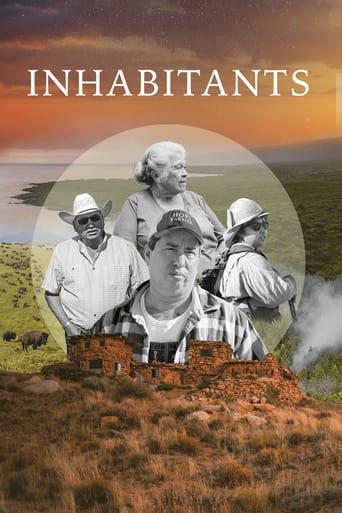
For millennia, Native Americans successfully stewarded and shaped their landscapes, but centuries of colonization have disrupted their ability to maintain their traditional land management practices. From deserts, coastlines, forests, mountains, and prairies, Native communities across the US are restoring their ancient relationships with the land. As the climate crisis escalates these time-tested practices of North America's original inhabitants are becoming increasingly essential in a rapidly changing world.