

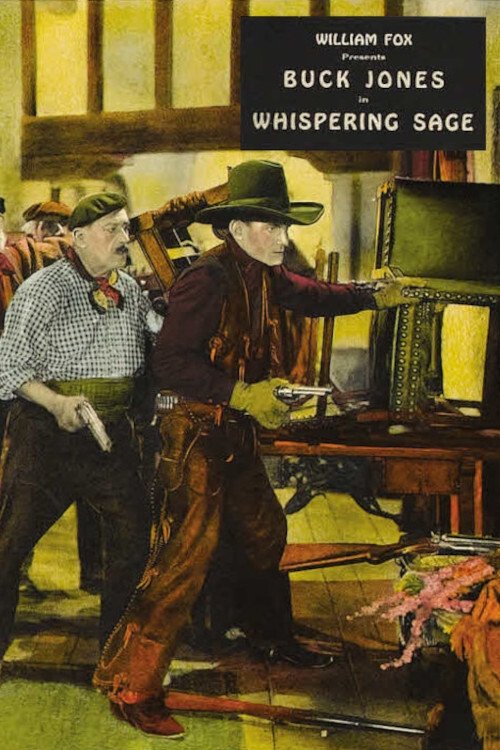
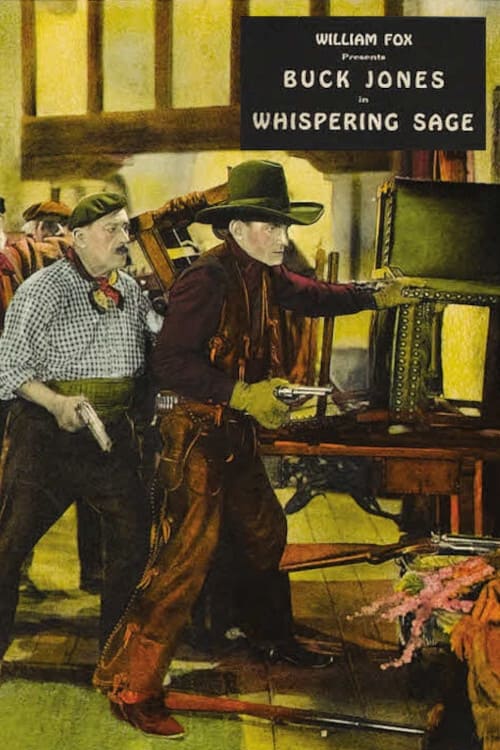
Whispering Sage
Western
Overview
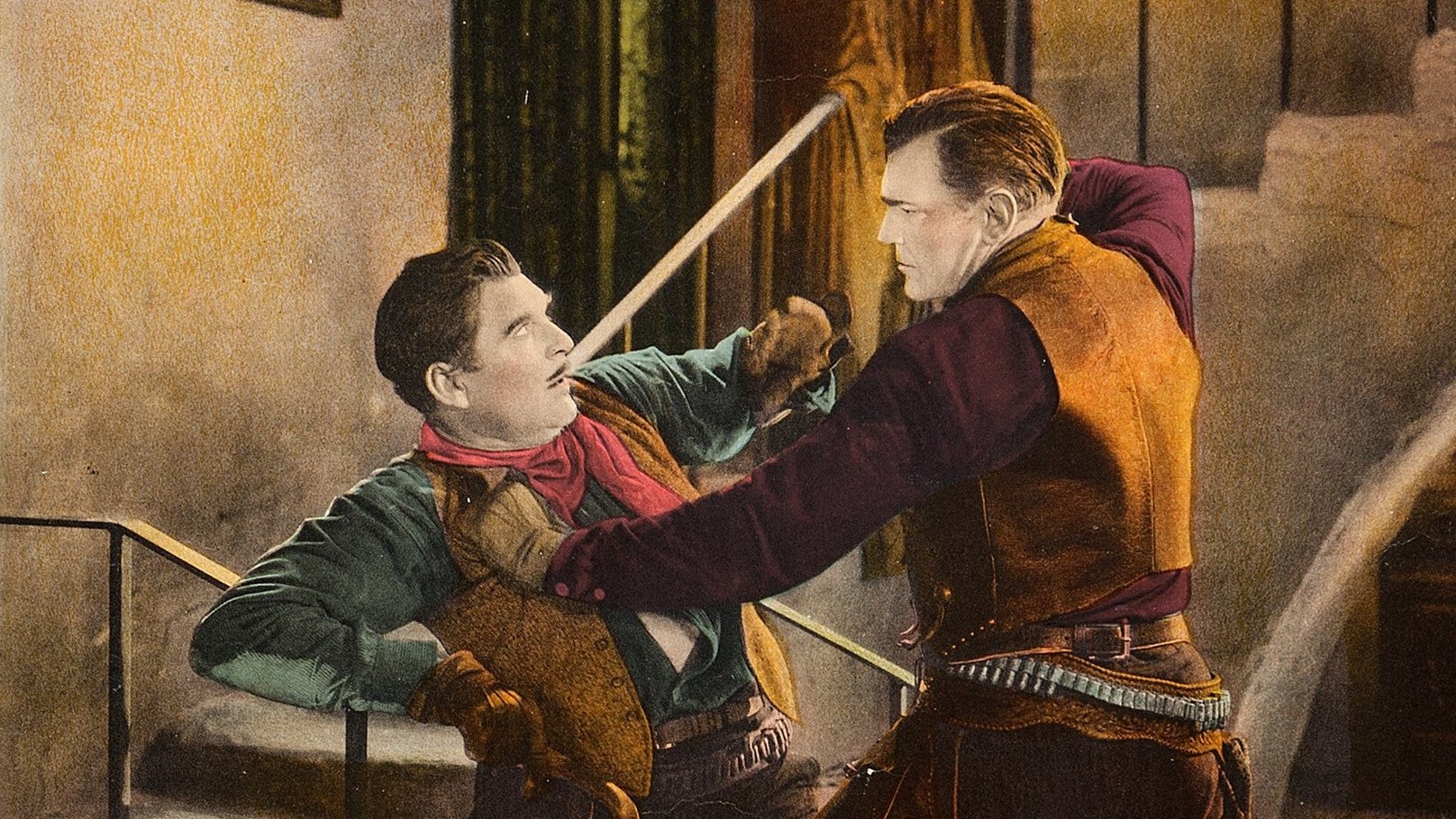
This silent Western featured a group of Basque settlers terrorized by a greedy land baron (Joseph W. Girard). Jones played Buck Kildare, who, after falling for Basque beauty Natalie Joyce, comes to the aid of the settlers. On his sterling horse Silver, Kildare goes after the villain, who, it turns out, is the very same man who murdered his brother Tom (William A. Steele).

Buck Jones
Buck Jones
Buck Kildare
Buck Jones
Buck Kildare
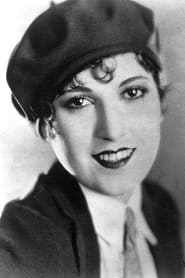
Natalie Joyce
Natalie Joyce
Mercedes
Natalie Joyce
Mercedes
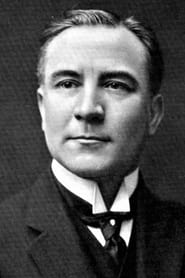
Émile Chautard
Émile Chautard
José Arastrade
Émile Chautard
José Arastrade
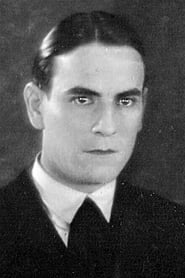
Carl Miller
Carl Miller
Esteban Bengoa
Carl Miller
Esteban Bengoa
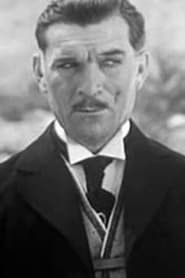
Albert J. Smith
Albert J. Smith
Ed Fallows
Albert J. Smith
Ed Fallows
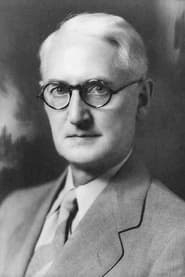
Joseph W. Girard
Joseph W. Girard
Hugh Acklin
Joseph W. Girard
Hugh Acklin
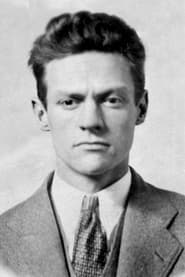
William Steele
William Steele
Tom Kildare
William Steele
Tom Kildare
Ellen Winston
Ellen Winston
Mrs. Kildare
Ellen Winston
Mrs. Kildare

Hazel Keener
Hazel Keener
Mercedes' Friend
Hazel Keener
Mercedes' Friend
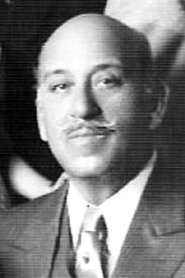
Enrique Acosta
Enrique Acosta
Old Pedro
Enrique Acosta
Old Pedro
Similar Movies
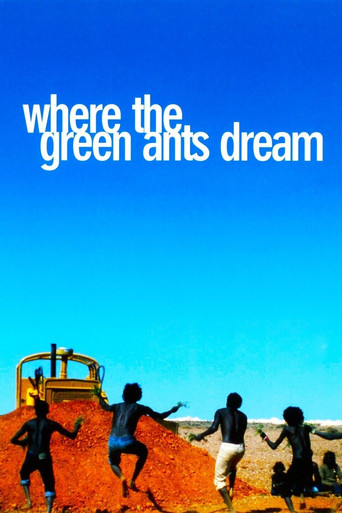
The Australian Aborigines (in this film anyway) believe that this is the place where the green ants go to dream, and that if their dreams are disturbed, it will bring down disaster on us all. The Aborigines' belief is not shared by a giant mining company, which wants to tear open the soil and search for uranium.
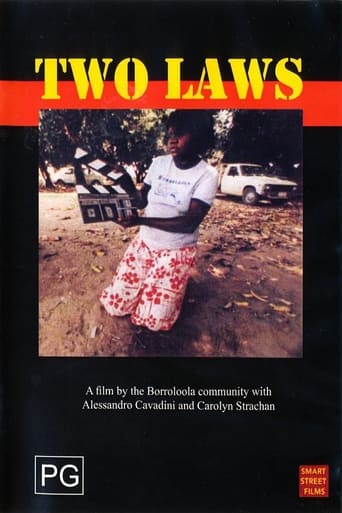
White people don't understand that there are two laws - white people have different laws from Aboriginal people. TWO LAWS is a film about history, law and life in the community of Borroloola in far North Queensland. The films offers viewers a remarkable and different way of seeing and hearing. Like the film, BACKROADS, it is one of the few productions at that time in which Aboriginal people had creative input. The impetus for TWO LAWS came from the community themselves. There was substantial collaboration with the film makers before and during the shooting period. It is one of the most outstanding films to be made during the 1980s. It is an historical analysis of what, nearly forty years later, is an increasingly contemporary question. Two Laws.

In this era of “reconciliation”, Indigenous land is still being taken at gunpoint. Unist’ot’en Camp, Gidimt’en checkpoint and the larger Wet’suwet’en Nation are standing up to the Canadian government and corporations who continue colonial violence against Indigenous people. The Unist’ot’en Camp has been a beacon of resistance for nearly 10 years. It is a healing space for Indigenous people and settlers alike, and an active example of decolonization. The violence, environmental destruction, and disregard for human rights following TC Energy (formerly TransCanada) / Coastal GasLink’s interim injunction has been devastating to bear, but this fight is far from over.
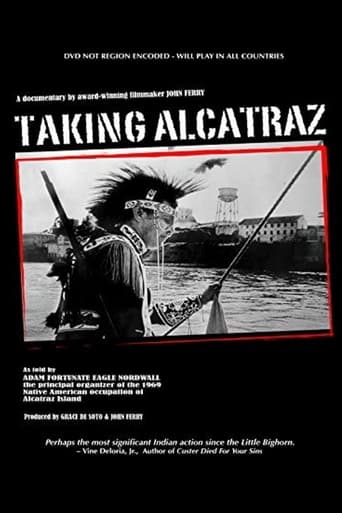
A documentary account by award-winning filmmaker John Ferry of the events that led up to the 1969 Native American occupation of Alcatraz Island as told by principal organizer, Adam Fortunate Eagle. The story unfolds through Fortunate Eagle's remembrances, archival newsreel footage and photographs.
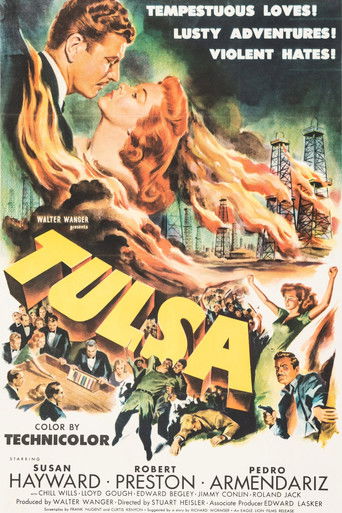
It's Tulsa, Oklahoma at the start of the oil boom and Cherokee Lansing's rancher father is killed in a fight with the Tanner Oil Company. Cherokee plans revenge by bringing in her own wells with the help of oil expert Brad Brady and childhood friend Jim Redbird. When the oil and the money start gushing in, both Brad and Jim want to protect the land but Cherokee has different ideas. What started out as revenge for her father's death has turned into an obsession for wealth and power.
Mark and Dan Jury document the gradual demise of a community nestled within the Cuyahoga National Recreation Area between Akron and Cleveland, Ohio, as the National Park Service works to acquire the land of ~500 residents in order to establish a National Park. After initially being told only a handful of houses would be taken, residents are shocked by hundreds of homes and businesses being bought up, boarded up, and posted No Trespassing - and by the homes of the politically connected being spared. Significant portions of this film appeared in the PBS FRONTLINE episode For the Good of All.