

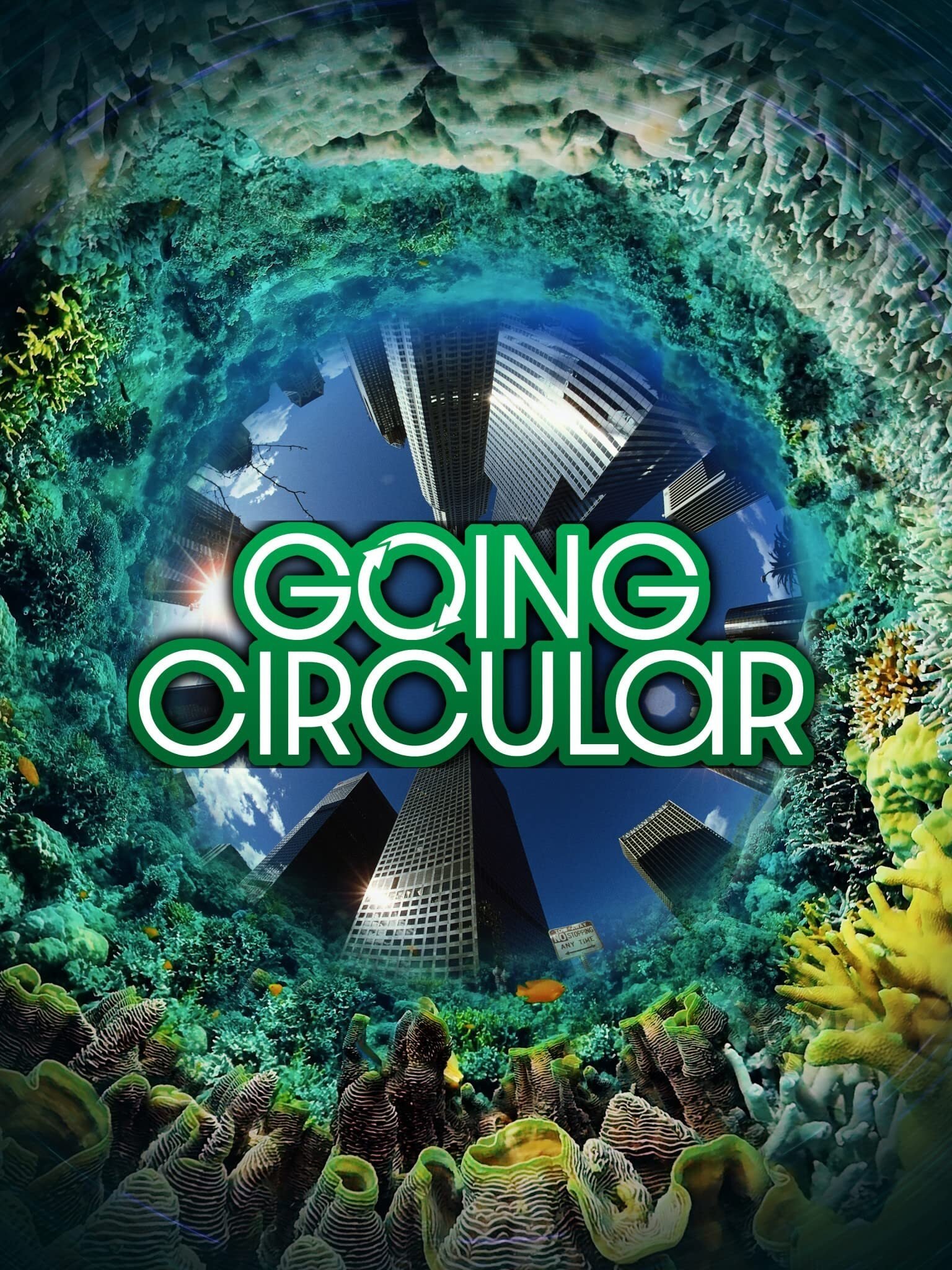
Going Circular
Documentary
Overview
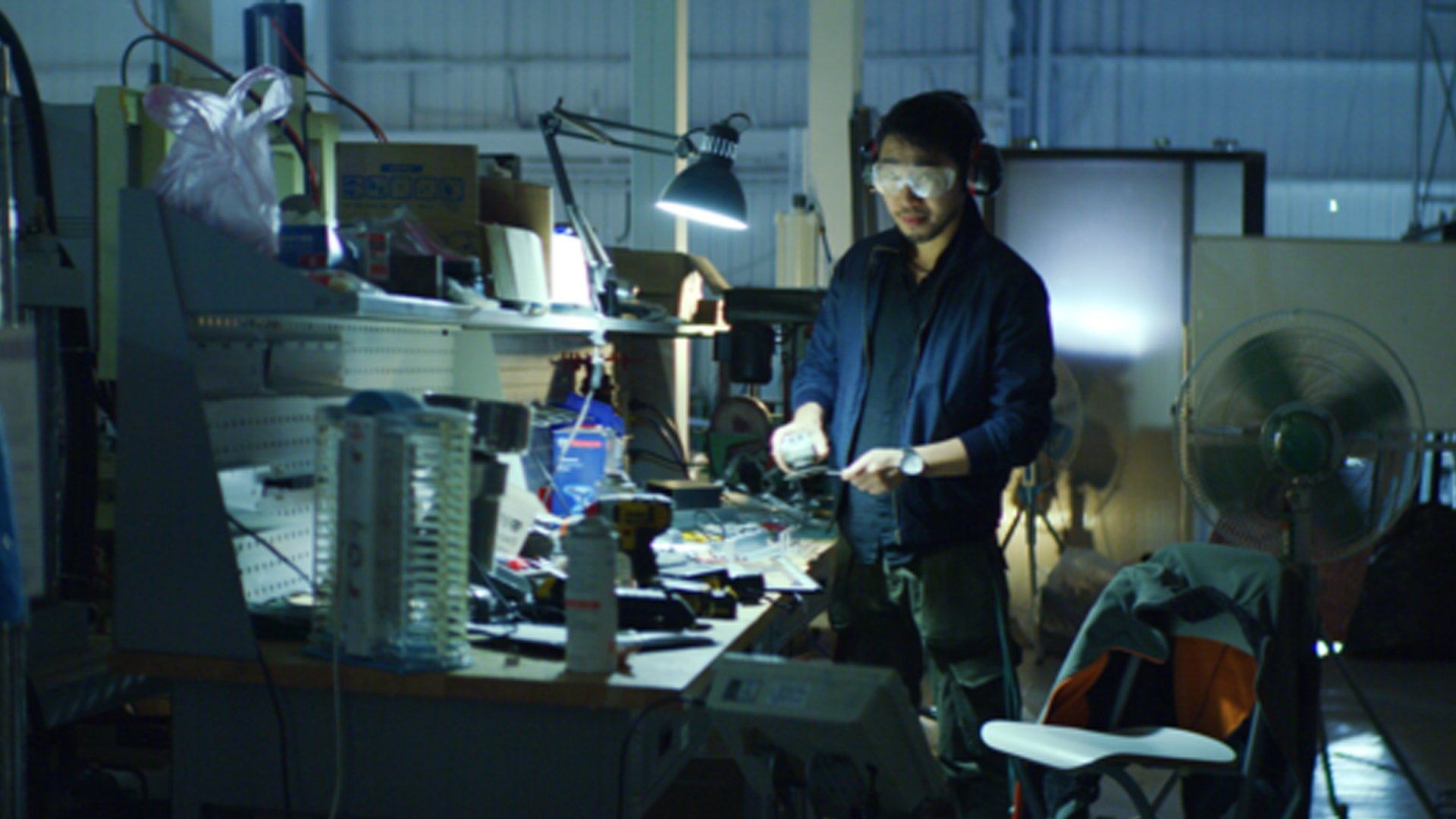
Going Circular unlocks the secrets to an innovative concept called circularity -- an economic system that eliminates waste and saves the planet’s resources. The film tells the story of four visionaries from around the world - 102-year-old inventor Dr. James Lovelock, biomimicry biologist Janine Benyus, designer Arthur Huang, and financier John Fullerton - whose extraordinary experiences changed the way they think about humanity’s future. Each of their stories leads them to a fundamental reassessment of what our food, our cities, our financial system, even our fashion industry could look like if we create, produce, and distribute within Earth's natural boundaries.

No cast information.
Similar Movies

A multimedia short created for the U.S. millennium celebrations, The Unfinished Journey reflects on America’s history and spirit through six chapters—immigration, war, culture, civil rights, and innovation. Commissioned by President Bill Clinton and premiered at the Lincoln Memorial on New Year’s Eve 1999, the film features an original orchestral score by John Williams titled American Journey.
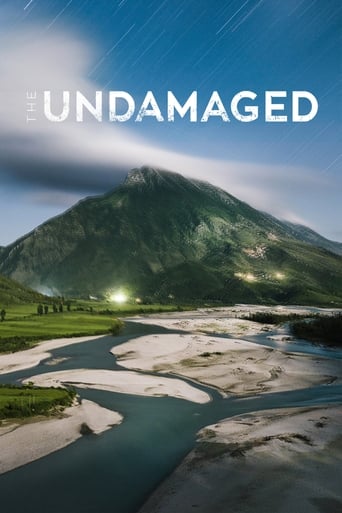
The Balkans cradles Europe's last wild rivers and supports abundant wildlife and healthy, intact ecosystems. These rivers are "The Undamaged" – clean, pristine, and undammed. With over 2,700 small and large hydro power plants planned or under construction in the Balkans, corruption and greed are destroying the last free-flowing rivers of Europe. Follow the Balkan Rivers Tour, a rowdy crew of whitewater kayakers, filmers, photographers and friends who decided to stand up for the rivers, travelling from Slovenia to Albania for 36 days, kayaking 23 rivers in 6 countries to protest the dams and show the world the secret wild rivers of the Balkans. The film honours everyday people and local activists who are fighting to defend rivers and aims to spread the word of the plight of these rivers, showing a new style of nature conservation that is fun, energetic and effective.
In June 2010, French actress Marion Cotillard spent a week in the heart of the tropical forests of the Democratic Republic of Congo with members of Greenpeace France and Greenpeace Africa. She delivers in video a strong testimony on the looting of Congolese forests which benefits a few industrial groups, often European.
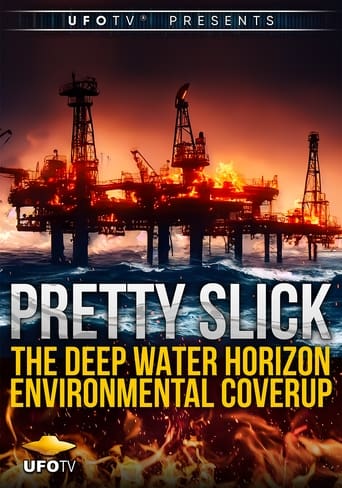
Presenting the extended directors cut from Filmmaker James Fox (Out of the Blue and I Know What I Saw). On April 20th, 2010, the BP Deep Water Horizon floating oil rig drilling in the Gulf of Mexico exploded, killing eleven crewmen. This film exposes the behind the scenes cover up to hide the worst environmental disaster of all time from the world and the people who live in the region.

Thousands of ducks, one farmer, and an ultimate goal to produce chemical-free rice. Against all odds, a determined farmer in Thailand trained ducks to be ‘rice protectors.’ Together, they joined hands (and wings) in the pursuit of sustainable farming. Amusing, adorable, yet informative, viewers will fall in love watching man and ducks, teacher and students, work together to keep our food safe from harmful chemicals.
Since World War II North Americans have invested much of their newfound wealth in suburbia. It has promised a sense of space, affordability, family life and upward mobility. As the population of suburban sprawl has exploded in the past 50 years Suburbia, and all it promises, has become the American Dream. But as we enter the 21st century, serious questions are beginning to emerge...
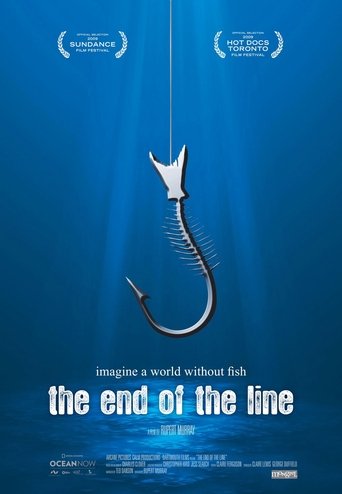
Examines the devastating effect that overfishing has had on the world's fish populations and argues that drastic action must be taken to reverse these trends. Examines the imminent extinction of bluefin tuna, brought on by increasing western demand for sushi; the impact on marine life resulting in huge overpopulation of jellyfish; and the profound implications of a future world with no fish that would bring certain mass starvation.
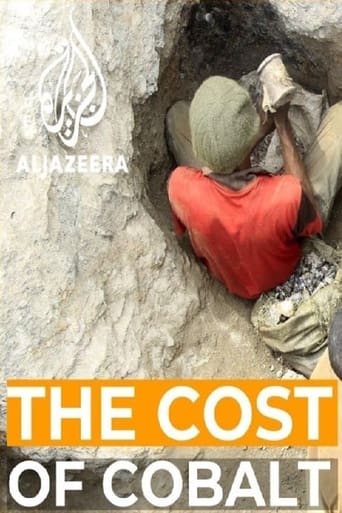
In the cobalt mining areas of Katanga in the Democratic Republic of the Congo (DRC), babies are being born with horrific birth defects. Scientists and doctors are finding increasing evidence of environmental pollution from industrial mining which, they believe, may be the cause of a range of malformations from cleft palate to some so serious the baby is stillborn. More than 60% of the world’s reserves of cobalt are in the DRC and this mineral is essential for the production of electric car batteries, which may be the key to reducing carbon emissions and to slowing climate change. In The Cost of Cobalt we meet the doctors treating the children affected and the scientists who are measuring the pollution. Cobalt may be part of the global solution to climate change, but is it right that Congo’s next generation pay the price with their health? Many are hoping that the more the world understands their plight, the more pressure will be put on the industry here to clean up its act.