

Benny och kulturhuset
Documentary
Overview
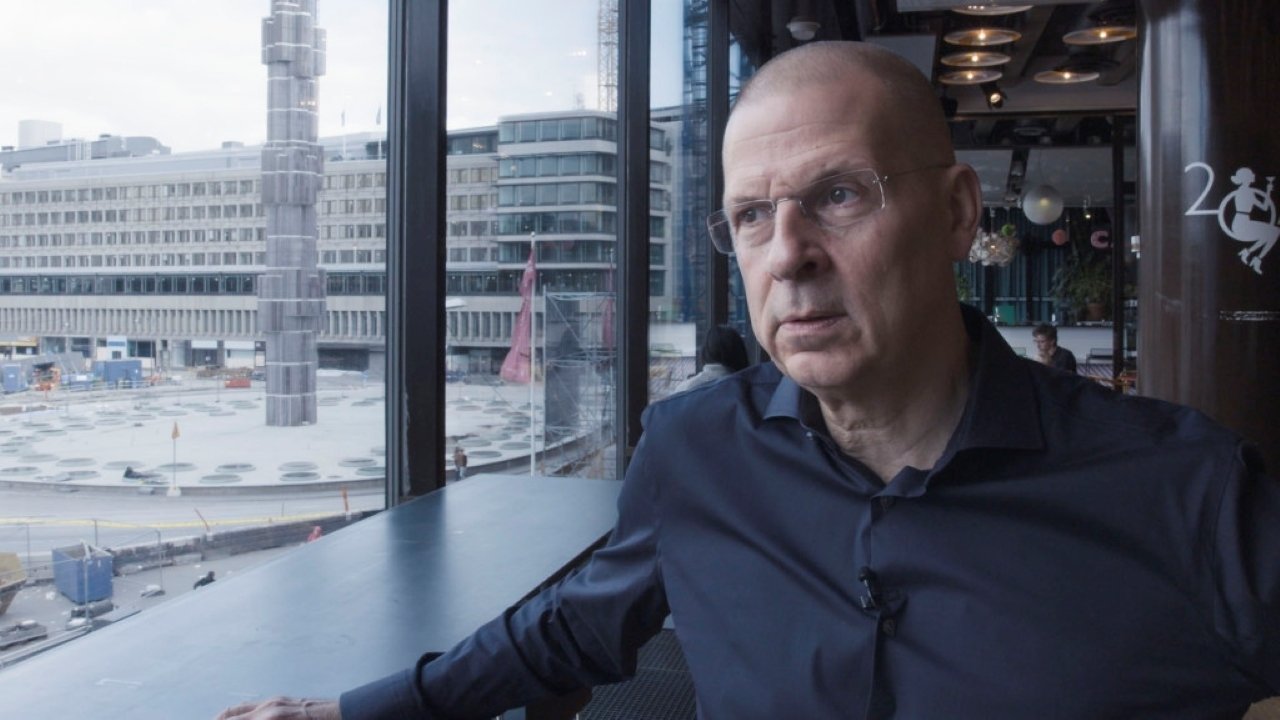
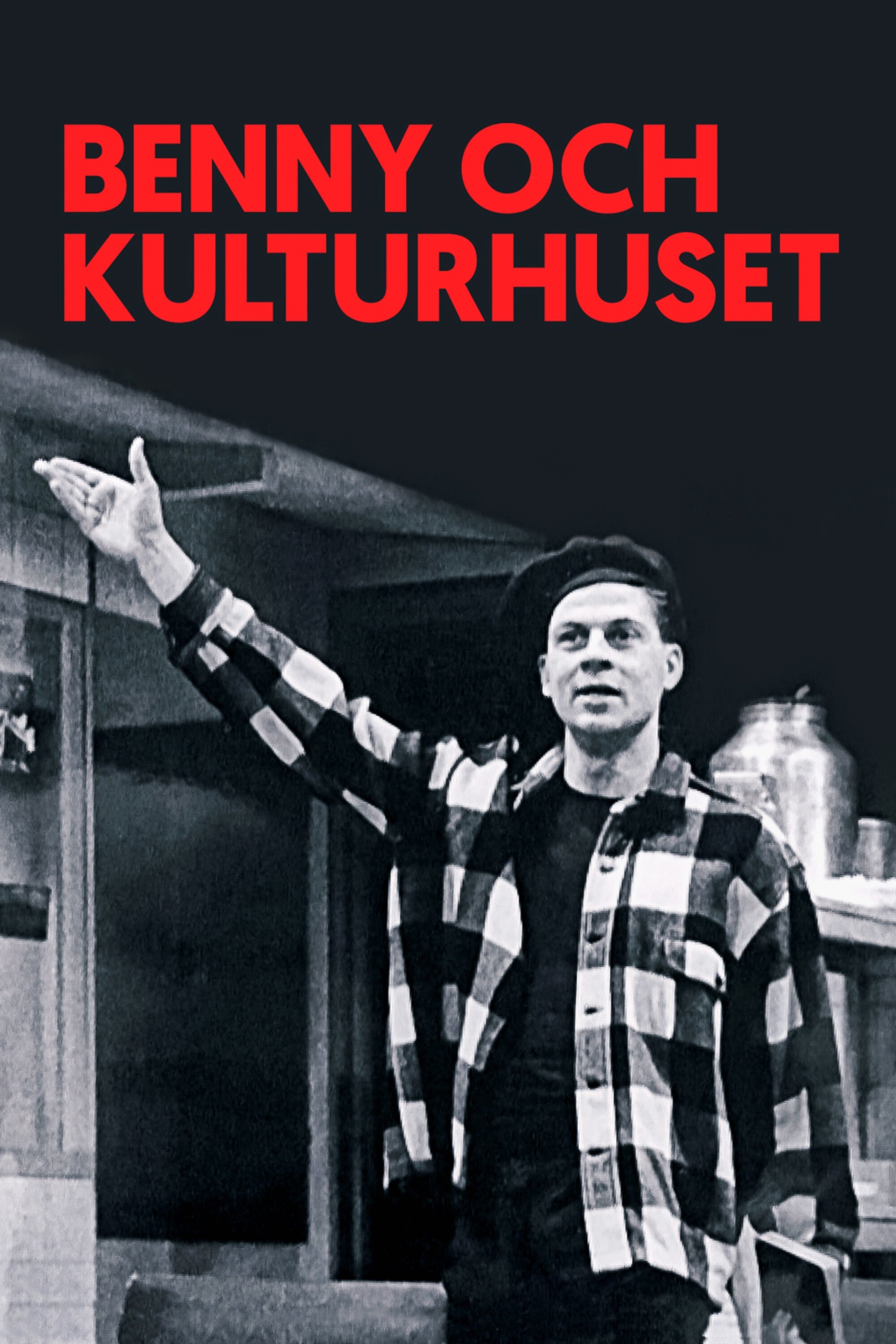
A portrait of Benny Fredriksson who for 16 years was CEO of Kulturhuset / Stadsteatern. He also had a background as an actor and director. In connection with a media hunt he resigned and later took his own life.
Top Cast

Benny Fredriksson
Self - (archive footage)

Anne Sofie von Otter
Self - Bennys fru
Sture Carlsson
Self - VD Kulturhuset Stadsteatern 2017-2019
Jesper Larsson
Self - VD Kulturhuset Stadsteatern 2019-2021

Gerhard Hoberstorfer
Self

Suzanne Osten
Self

Leif Andrée
Self

Thommy Berggren
Self

Sissela Kyle
Self
Carolina Frände
Self
Per Ahrbom
Self - Arkitekt
Madeleine Sjöstedt
Self - F.d. Kulturborgarråd





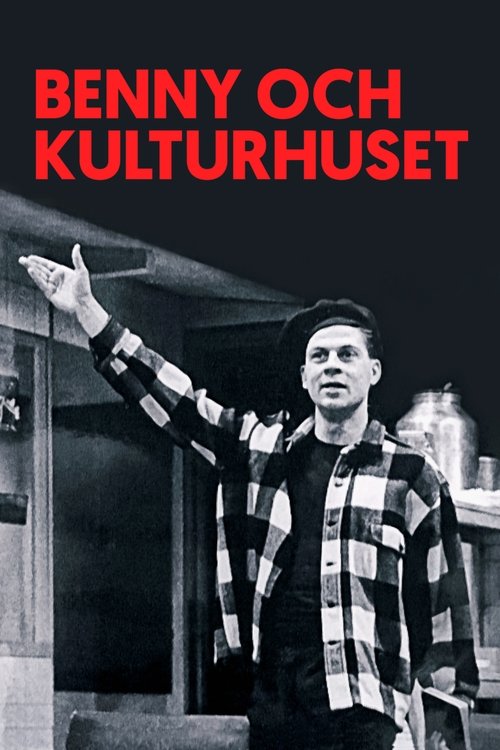
Benny Fredriksson
Benny Fredriksson
Self - (archive footage)
Benny Fredriksson
Self - (archive footage)
Anne Sofie von Otter
Anne Sofie von Otter
Self - Bennys fru
Anne Sofie von Otter
Self - Bennys fru
Sture Carlsson
Sture Carlsson
Self - VD Kulturhuset Stadsteatern 2017-2019
Sture Carlsson
Self - VD Kulturhuset Stadsteatern 2017-2019
Jesper Larsson
Jesper Larsson
Self - VD Kulturhuset Stadsteatern 2019-2021
Jesper Larsson
Self - VD Kulturhuset Stadsteatern 2019-2021
Gerhard Hoberstorfer
Gerhard Hoberstorfer
Self
Gerhard Hoberstorfer
Self
Suzanne Osten
Suzanne Osten
Self
Suzanne Osten
Self
Leif Andrée
Leif Andrée
Self
Leif Andrée
Self
Thommy Berggren
Thommy Berggren
Self
Thommy Berggren
Self
Sissela Kyle
Sissela Kyle
Self
Sissela Kyle
Self
Carolina Frände
Carolina Frände
Self
Carolina Frände
Self
Similar Movies
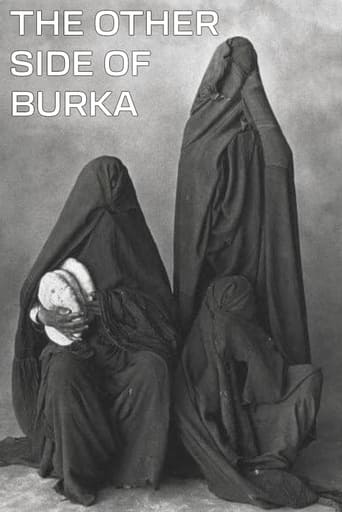
The Other Side of Burka is a 2004 Iranian documentary directed by Mehrdad Oskouei. In the southern island of Qeshm, Iran, which is a very strict region in point of tradition and African-Arabic rules, all women are under the pressure of patriarch society. Their sufferance is manifested by different mental (Zar, Possession) and physical diseases which must be only treated by Zar Ceremony. For the first time, despite the danger these women face, this film tells us the sad story of their life and shows their confection in front of the camera. It tries to be an honest mirror which reflects their sufferance and unveils their Burka to reveal their real characters.
Satan in the Suburbs tells the shocking story of a grisly ritualistic murder in the quiet bedroom community of Northport, Long Island in the summer of 1984. The killing, it soon emerged, was linked to a teen satanic cult. Perhaps more disturbing than the details of the murder itself was the revelation of a conspiracy of silence among the town's teenagers, many of whom had been aware of the, e killing in the two weeks before an anonymous call finally tipped off local police. 17- year-old Ricky Kasso was arrested and confessed to the crime; five days later, he hung himself in his holding cell. Kasso's friend Jimmy Troiano also. confessed, but was acquitted after jurors learned that he was beaten by local police. The murder shocked the local community and reverberated nationally, with some uninformed observers rushing to scapegoat rock music as the cause.

Finding their place between the forest and the sea, the Japanese have always felt awe and gratitude toward Nature. Since ancient times, they have negotiated their own unique relationship with their natural surroundings. Acclaimed photographer Masa-aki Miyazawa discovered the essence of that ancient way of living in Ise Jingu, Japan’s holiest Shinto shrine. Inspired by the idea of sending a message to the future in the same way this ancient shrine keeps alive the traditions of the past, Miyazawa used an ultra-high resolution 4K camera to create a breathtaking visual journey linking the Ise forest with other forests throughout Japan.
In 1967, de Andrade was invited by the Italian company Olivetti to produce a documentary on the new Brazilian capital city of Brasília. Constructed during the latter half of the 1950s and founded in 1960, the city was part of an effort to populate Brazil’s vast interior region and was to be the embodiment of democratic urban planning, free from the class divisions and inequalities that characterize so many metropolises. Unsurprisingly, Brasília, Contradições de uma Cidade Nova (Brasília, Contradictions of a New City, 1968) revealed Brasília to be utopic only for the wealthy, replicating the same social problems present in every Brazilian city. (Senses of Cinema)
Googie architecture was one of the most visually exuberant and culturally formative design movements of the mid-20th century, yet it remains widely misunderstood. Defined by bold angles, sweeping rooflines, neon signage, and a sense of space-age optimism, Googie transformed everyday buildings into roadside spectacle. Coffee shops, bowling alleys, car washes, banks, and churches were designed not just for function, but to captivate motorists cruising by. Rooted in Los Angeles, the movement drew inspiration from visionary architects such as Frank Lloyd Wright and John Lautner, while firms like Armet & Davis brought futuristic flair to the commercial landscape. Though many original structures have been lost, preservationists now champion Googie as a serious architectural expression—one that captured the aspirations of postwar America and reshaped the visual identity of the modern city.