

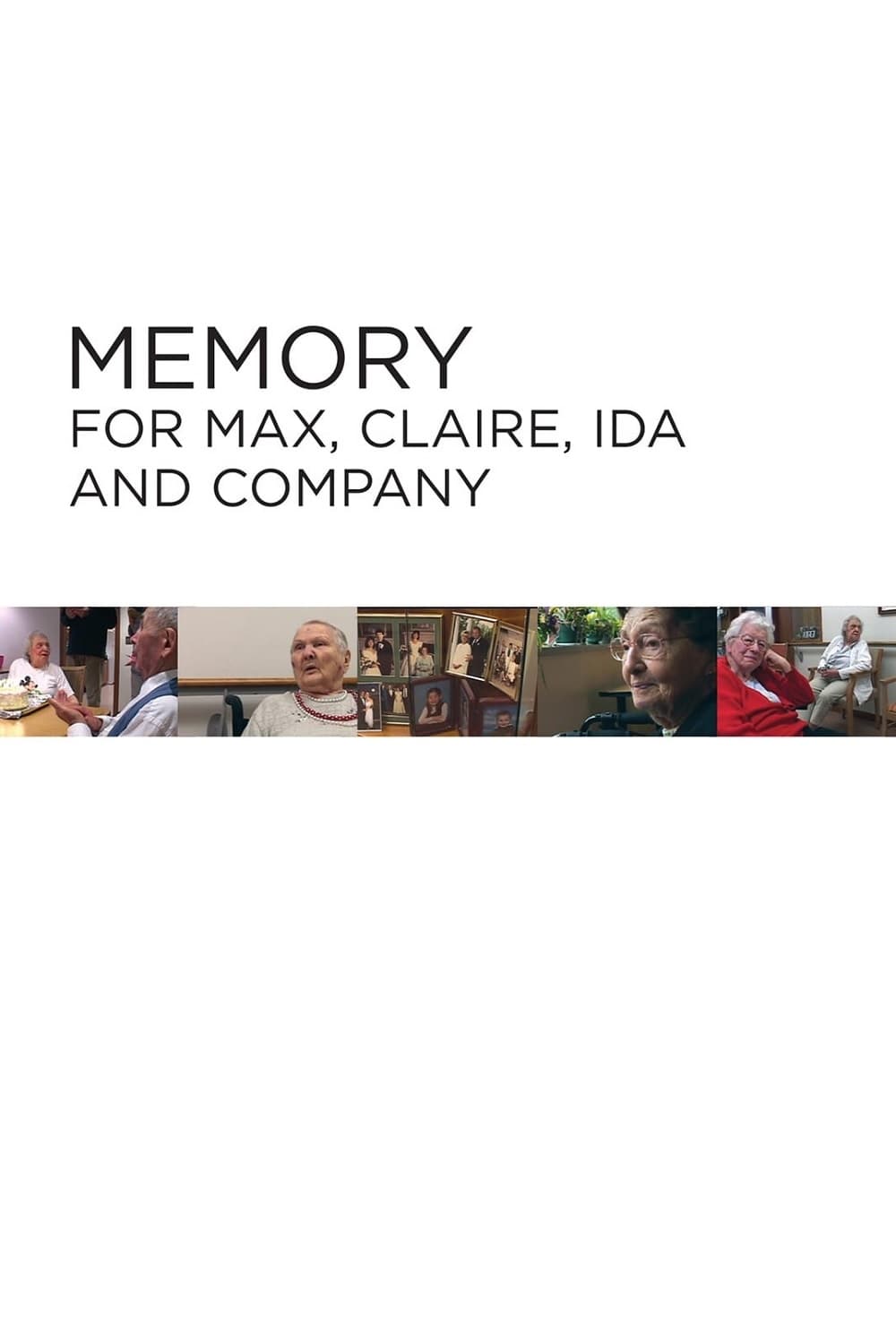
Memory for Max, Claire, Ida and Company
Documentary
Overview
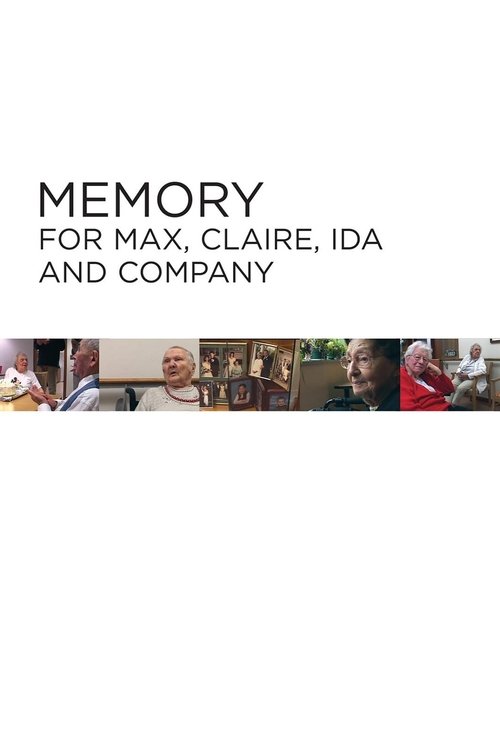
At Baycrest, an old-age home in Toronto, we follow a social worker as she talks to residents, particularly Max, Claire, Ida, and Rachel. The film opens on Claire's birthday, she's 89; Max, a tiny cheerful man, is her close friend. Rachel is lonesome, missing her son, complaining he rarely visits. Ida relies on memory for her solace. Helen has no memory and doesn't recognize her daughter; her moods swing. Murray keeps his cap on and likes women. Staff members bring medication, provide care, and offer small talk. Memory is fleeting: Claire re-experiences the death of a close companion several times, each time without remembering her previous grieving. Lives are circumscribed

No cast information.
Similar Movies
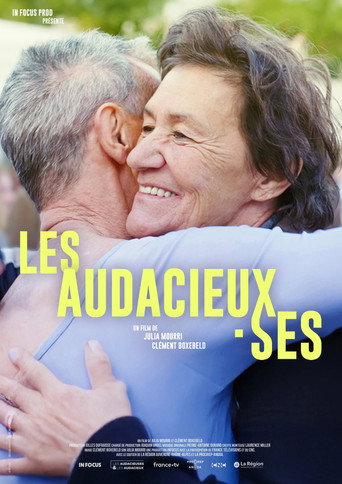
François, Renée, Gisèle, Sylvain. These seniors do not have much in common, but their lives have been shaped by episodes of abandonment, rejection, or fear. Some still live in invisibility, afraid of how others will look at them. Loneliness weighs heavily. For others, living with HIV has worn down their bodies, and old age arrives more quickly. Then there is a hope: that of a house in Lyon where they will finally be able to be themselves. A place where it will be possible to grow old without ever having to hide again. There is that family we choose for ourselves. The feeling that a new chapter is opening—the last one—filled with promise, and with the boldness of all those first times we finally allow ourselves, so late in life. But when it comes to becoming visible, the fears accumulated over a lifetime are never far away. And they come to pull our courageous dreamers back from their dream: should they take the leap?
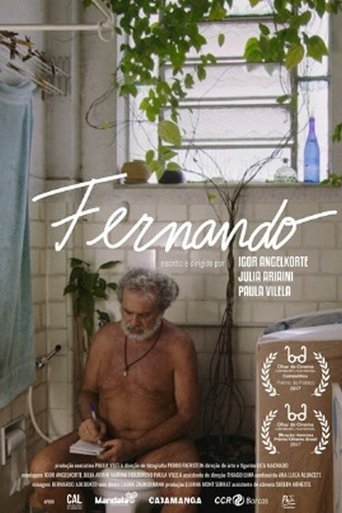
Fernando is an actor and theater teacher who, at the age of 74, is impelled to be the protagonist of himself in an experience that blurs the boundaries between the documentary and the fictional. Faced with a delicate problem in his heart, he follows a life full of love for art, where education emerges as a powerful transforming element of reality.

During a canoe trip, neurologist Magnus Heier suffers from sudden amnesia: for eight hours, he records nothing. Everything he does is immediately forgotten. This episode becomes the starting point for an exploration of his own memory. How can his functioning explain the incident he suffered? And what happened to the doctor during those lost hours? To understand the amnesia that has affected him, Magnus Heier embarks on an investigation among his peers. His journey takes him to Finland, Germany and Italy, where he visits researchers working on the astonishing brain faculty of memory.
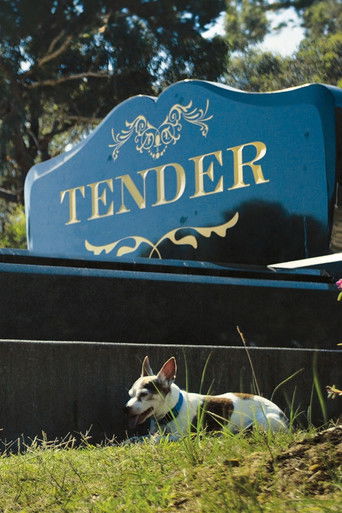
A big hearted community celebrates life by fronting up to death. Set against the stunning backdrop of the industrial seaside town of Port Kembla, a feisty and resilient community group have determined to take back the responsibility that most of us leave to someone else — to care for their own dead. Scattered throughout are stories that cut to the core revealing why this small band have decided to take on a practice that for most is taboo. As their plans for community-based funerals gather momentum one of their own is diagnosed with a life-threatening illness. Tender is at once a heartbreakingly beautiful and beautifully funny glimpse of an extraordinary community taking on one of the most essential challenges of human life … its end.
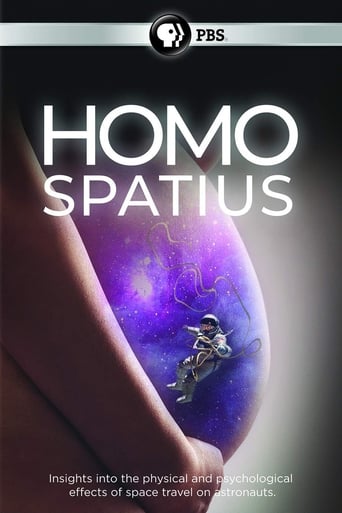
Can Homo sapiens evolve into Homo spatius? For over 50 years now, we have been testing our human nature in our effort to conquer outer space, and still 30 years away from a possible human exploration of Mars, a question remains: Can our body take such travels? Will it ever adapt? Combining human adventure and the exploration of the human body, this film offers unique insights into the physical and psychological effects of space travel on the Astronauts and measures the impact on medical sciences.
The lastest neuroscience discoveries show surprising results: false memories, distortion, modification, déjà vus. Our memory is affected in many ways, and deceives us every day. The very fact of recalling souvenirs modifies them. The everyday consequences are manyfold. To what extent can we rely on our souvenirs? How much credit can we give them during trials? Even more shocking, scientists have proved to be able to manipulate our memory: creating artificial souvenirs, deleting, emphasizing or restoring them on demand.
Is there any way to slow or even prevent the ravages of time? Veteran presenter Johnny Ball looks back over the 45 years that Horizon, and he, have been on air to find out what science has learned about how and why we grow old. Charting developments from macabre early claims of rejuvenation to the latest cutting-edge breakthroughs, Johnny discovers the sense of a personal mission that drives many scientists and asks whether we are really any closer to achieving the dream of immortality.
Shot over the course of 18 months in New York City's Lower East Side, METHADONIA sheds light on the inherent flaws of legal methadone treatments for heroin addiction by profiling eight addicts, in various stages of recovery and relapse, who attend the New York Center for Addiction Treatment Services (NYCATS).
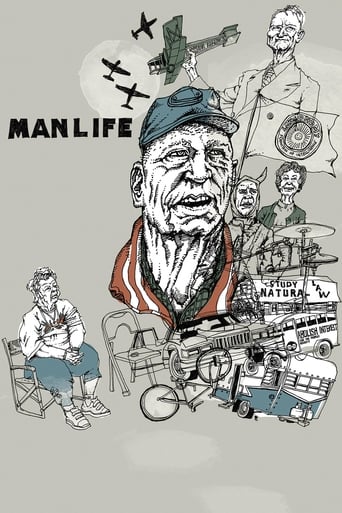
For over 80 years, Merle Hayden has crusaded to recruit members to the utopian movement Lawsonomy. Founded by aircraft pioneer Alfred Lawson, Lawsonomy advocates for economic reform and clean, communal living that transforms followers into a "New Species" that will benefit the human race either in this life or the next. Merle joined Lawson as a teenager and never looked back. His high school sweetheart Betty Kasch, however, is tired of Lawson coming between them. Reunited after over 60 years apart, non-believer Betty wants Merle to join her in Florida. Merle's commitment to preserving Lawson's legacy, artifacts currently rotting in a barn alongside a Wisconsin highway, has Betty worried Merle may leave her for Lawson once again.