


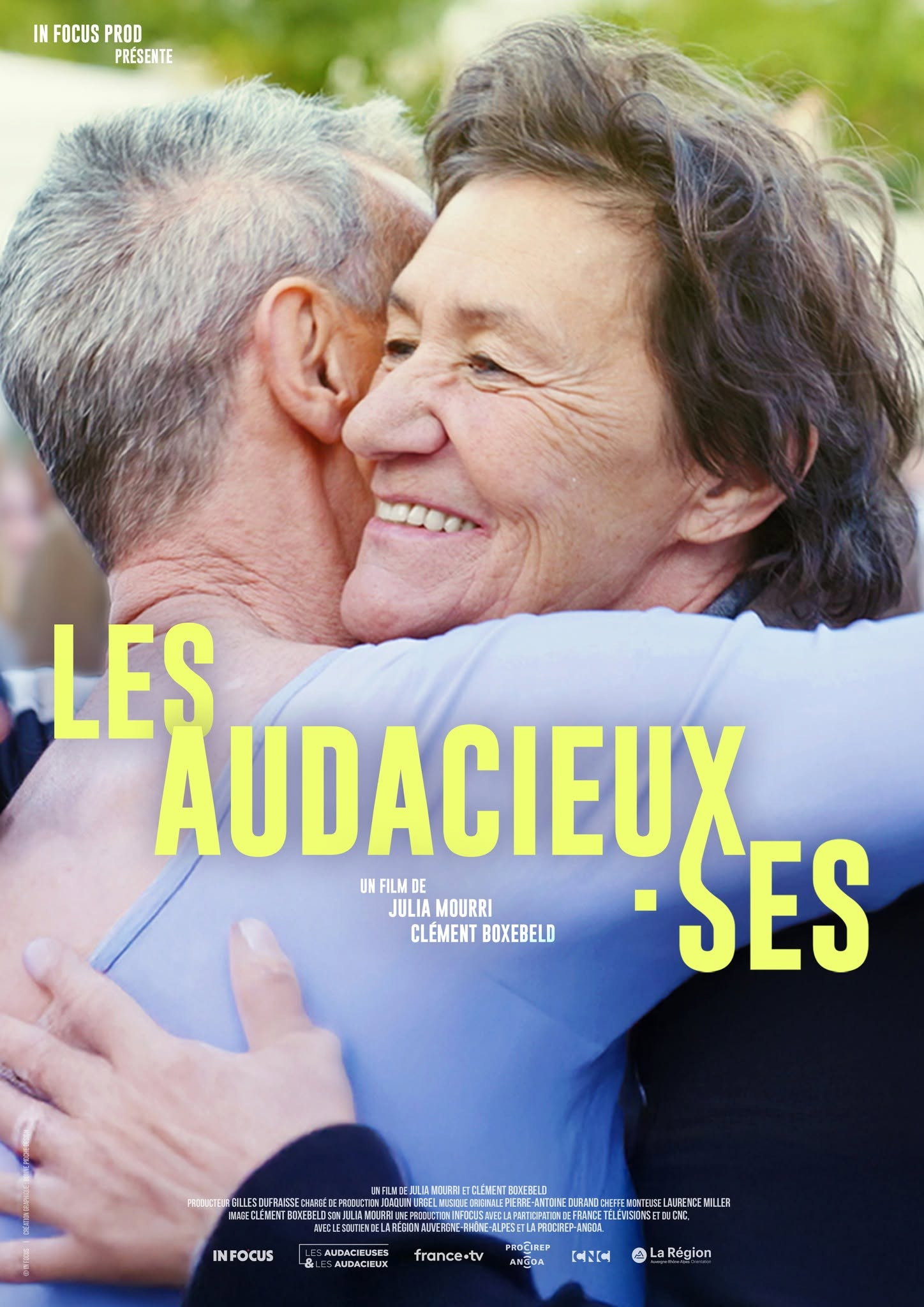
Les Audacieux.ses
Documentary
Overview
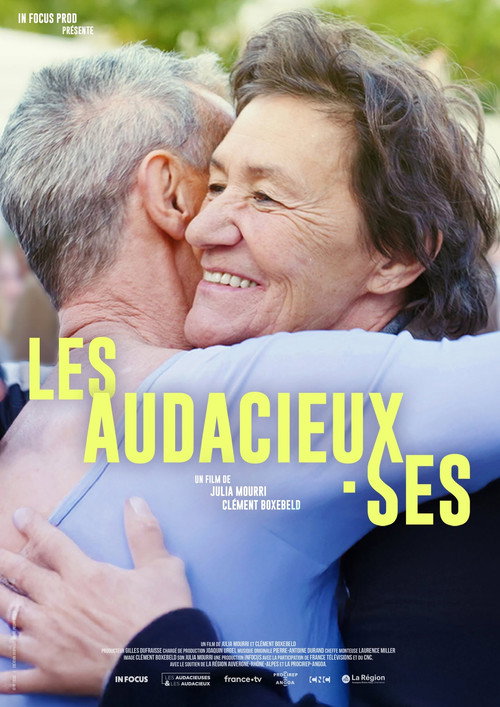
François, Renée, Gisèle, Sylvain. These seniors do not have much in common, but their lives have been shaped by episodes of abandonment, rejection, or fear. Some still live in invisibility, afraid of how others will look at them. Loneliness weighs heavily. For others, living with HIV has worn down their bodies, and old age arrives more quickly. Then there is a hope: that of a house in Lyon where they will finally be able to be themselves. A place where it will be possible to grow old without ever having to hide again. There is that family we choose for ourselves. The feeling that a new chapter is opening—the last one—filled with promise, and with the boldness of all those first times we finally allow ourselves, so late in life. But when it comes to becoming visible, the fears accumulated over a lifetime are never far away. And they come to pull our courageous dreamers back from their dream: should they take the leap?


No cast information.
Similar Movies
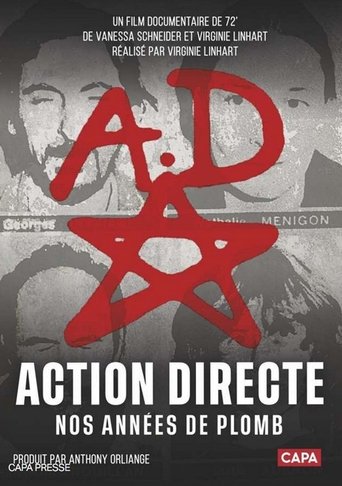
Between 1979 and 1987, a far-left group wreaked havoc across France. Robberies, bombings, assassinations. They struck hard and disappeared in a cloud of explosives, leaflets scattered in the wind, and relentless ideological demands. Their name? Action Directe. More than 80 attacks, 26 wounded, and 12 dead in less than ten years. Stunned French citizens discovered posters plastered everywhere showing portraits of these young women and men who looked like everyone else and whom nothing seemed to be able to stop. A long and intense manhunt began, culminating in the arrest of the group's leadership.
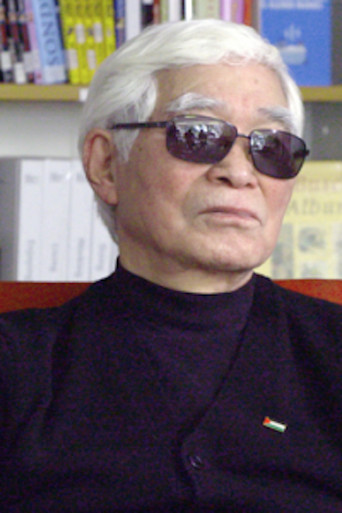
Masao Adachi, the author and director of experimental works and pinku-eiga in the 1960s, was a member of the Japanese New Left that shifted from being a filmmaker to a guerrilla fighter. In 1974, he joined the Japanese Red Army in Lebanon, which worked closely with the Popular Front for the Liberation of Palestine. Filmmaker Lutz Dammbeck met Adachi in Tokyo in 2018 and talked with him about a wide range of topics, including art, revolution, the influence of western avant-garde art and American underground; the Japanese Red Army; collaboration with secret services; the role of the Left after 1968; and the reasons for failures of leftist ideas and strategies.
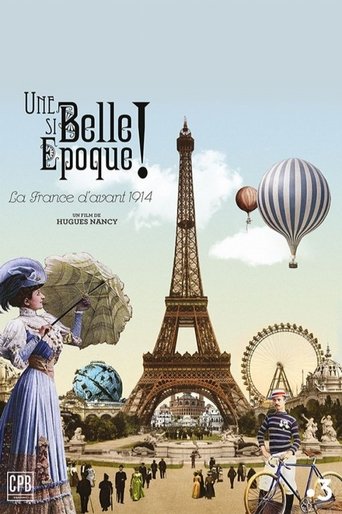
In 1900, the eyes of the whole world are on Paris. The World's Fair welcomed 50 million amazed visitors, and the city celebrated itself in a glamorous era. This period went down in history as the "Belle Époque." Elaborately restored and colorized historical photographs bring to life the exciting life in Paris between the end of the 19th century and the beginning of World War I in 1914. Bicycles, cars, airplanes, moving pictures, newly founded film studios, revolutionary composers and painters, avant-garde ballet performances, fashion houses, summer resorts on the Atlantic coast – life was intoxicating. People celebrate in the variety shows, cabarets, and revue theaters of Paris. Moulin Rouge, Folies Bergères, Bal Tabarin—in Paris, the nights are long and life is too short to sleep through. It is a dance on the volcano, given the political developments in the world.
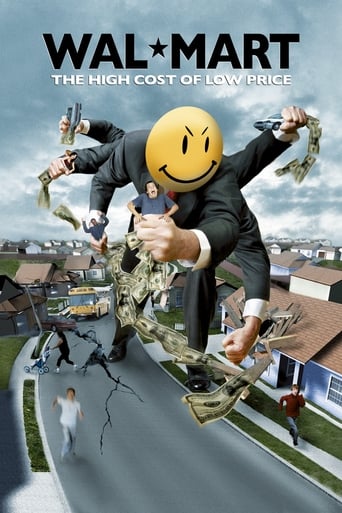
This documentary takes the viewer on a deeply personal journey into the everyday lives of families struggling to fight Goliath. From a family business owner in the Midwest to a preacher in California, from workers in Florida to a poet in Mexico, dozens of film crews on three continents bring the intensely personal stories of an assault on families and American values.
"Africa Light" - as white local citizens call Namibia. The name suggests romance, the beauty of nature and promises a life without any problems in a country where the difference between rich and poor could hardly be greater. Namibia does not give that impression of it. If you look at its surface it seems like Africa in its most innocent and civilized form. It is a country that is so inviting to dream by its spectacular landscape, stunning scenery and fascinating wildlife. It has a very strong tourism structure and the government gets a lot of money with its magical attraction. But despite its grandiose splendor it is an endless gray zone as well. It oscillates between tradition and modernity, between the cattle in the country and the slums in the city. It shuttles from colonial times, land property reform to minimum wage for everyone. It fluctuates between socialism and cold calculated market economy.
Fifty years ago, aspiring thespians Terry and Carole Ann Gill arrived in Australia from England seeking fame and fortune. But they never quite made the big time. Instead they stumbled into the curious world of children's pantomimes. Over the decades, they have built a successful business and touched the lives of generations of children; but their own dreams have slowly faded. Now aged in their 70s, with their beloved theatre under threat from a greedy property developer, Terry and Carole Ann's careers appear to be coming to an untimely close. As they battle to remain open, they are forced to reflect on the choices they have made in their lives.