

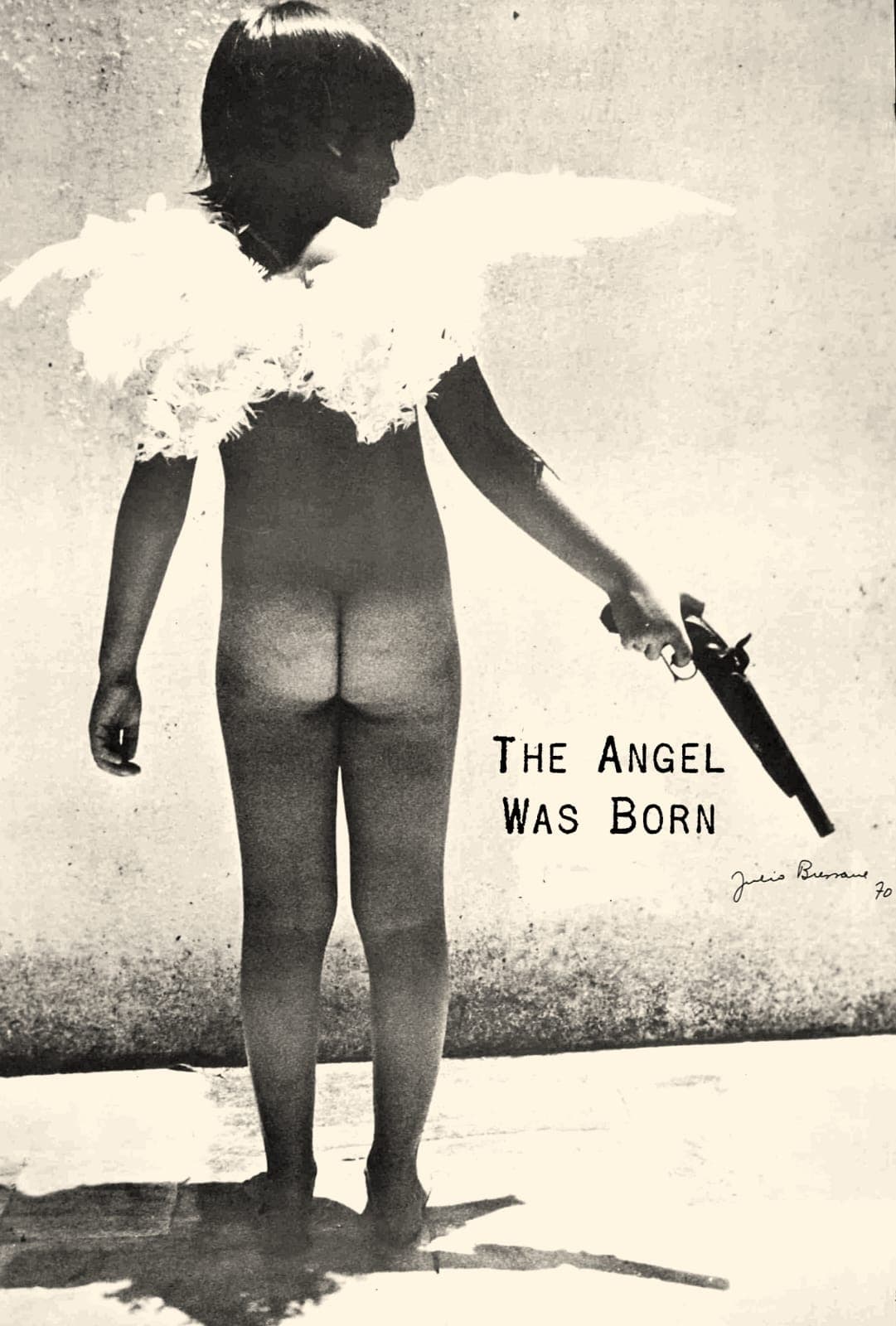
The Angel Was Born
Crime · Drama
Overview
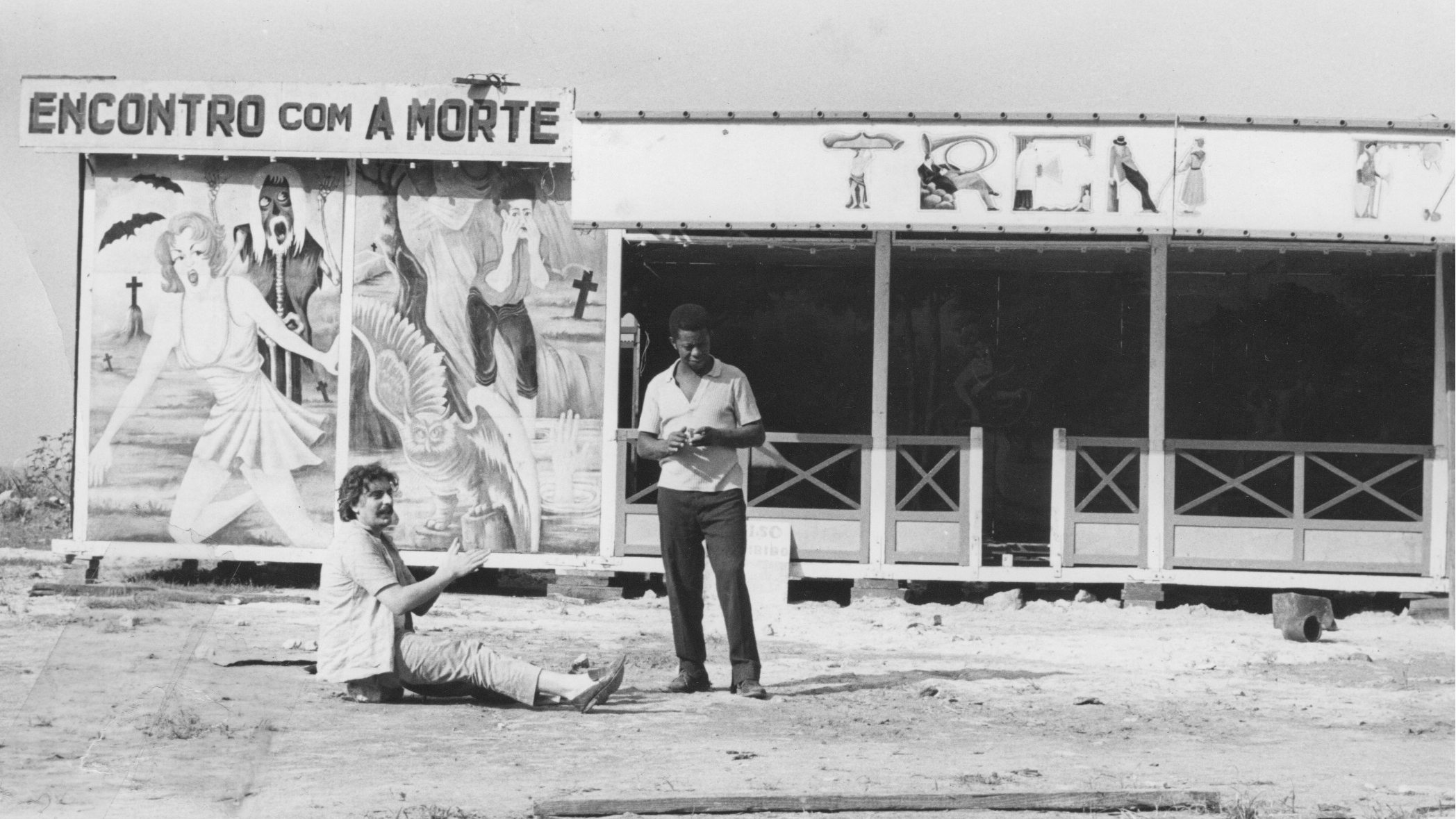
Santamaria and Urtigo are two bandits on the run, one is white, the other black. Santamaria is a mystical visionary and believes in the imminent coming of a purifying angel. Urtiga, his inseparable companion, is a simple-minded and ingenious man who follows Santamaria around and participates in the crimes he commits. The two bandits take over a house after kidnapping its owner and his girlfriend.









Hugo Carvana
Hugo Carvana
Santamaria
Hugo Carvana
Santamaria
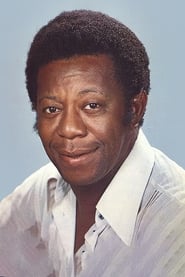
Milton Gonçalves
Milton Gonçalves
Urtiga
Milton Gonçalves
Urtiga

Norma Bengell
Norma Bengell
Mulher
Norma Bengell
Mulher

Maria Gladys
Maria Gladys
Amiga
Maria Gladys
Amiga
Neville D'Almeida
Neville D'Almeida
Neville D'Almeida
Carlos Guimas
Carlos Guimas
Carlos Guimas

Guará Rodrigues
Guará Rodrigues
Self
Guará Rodrigues
Self

Richard Nixon
Richard Nixon
self (archive footage)
Richard Nixon
self (archive footage)
Similar Movies
Five young men dream of success as they drift lazily through life in a small Italian village. Fausto, the group's leader, is a womanizer; Riccardo craves fame; Alberto is a hopeless dreamer; Moraldo fantasizes about life in the city; and Leopoldo is an aspiring playwright. As Fausto chases a string of women, to the horror of his pregnant wife, the other four blunder their way from one uneventful experience to the next.
A successful young journalist goes to a small industrial city in order to understand the written complaints of a certain girl. When he met the author of the letters and the girl whom she had slandered, he didn't immediately understand the complexity of the situation and the measure of responsibility to those whom he was obliged to protect...
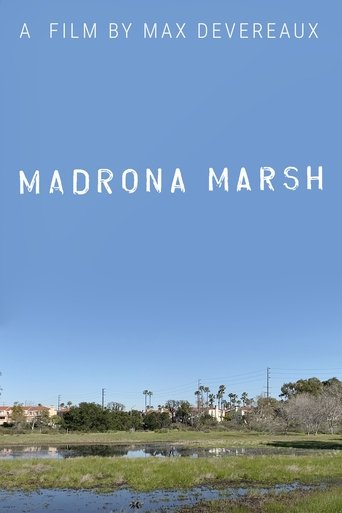
Shot in long, contemplative takes, Madrona Marsh lingers on the last remaining vernal freshwater wetland in Los Angeles’s South Bay. Amid Torrance’s dense urban sprawl, the film observes the marsh as an unlikely oasis—home to birds, fish, insects, reptiles, and moments of quiet human presence. Influenced by the rhythms of slow cinema’s great masters, Devereaux shapes stillness and habitat into a meditative portrait of fragile ecology and the persistence of life within an urban environment.
Tymek, a young pianist, student of the Warsaw University of Music, returns to his provincial town on vacation, where his mother, younger brother and friends from the neighborhood are waiting for him. The central meeting point for local youth is the newly opened kebab bar. Tymek witnesses a spiral of tensions between the employees of the Arabian kebab and his buddies.
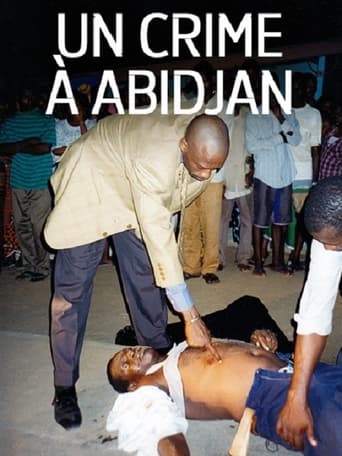
1995. On the outskirts of Abidjan, the largest city in Ivory Coast, a policeman is murdered. Shot outside his vehicle, while his fiancée sits in the car, terrified. Superintendent Kouassi is the detective in charge of the investigation. Tall and lanky, he moves with the tired energy of a man who has seen it all. Drawing on a network of underworld characters with dubious information, Kouassi’s team begins bringing in potential suspects and subjecting them to horrific brutality: beating them with sticks, hanging them upside-down, threatening their lives. Some of the men are left so broken they have to literally drag themselves into Kouassi’s office later, to be interrogated while lying on the floor, their bodies a mess of bruises, broken bones, and lacerations.