

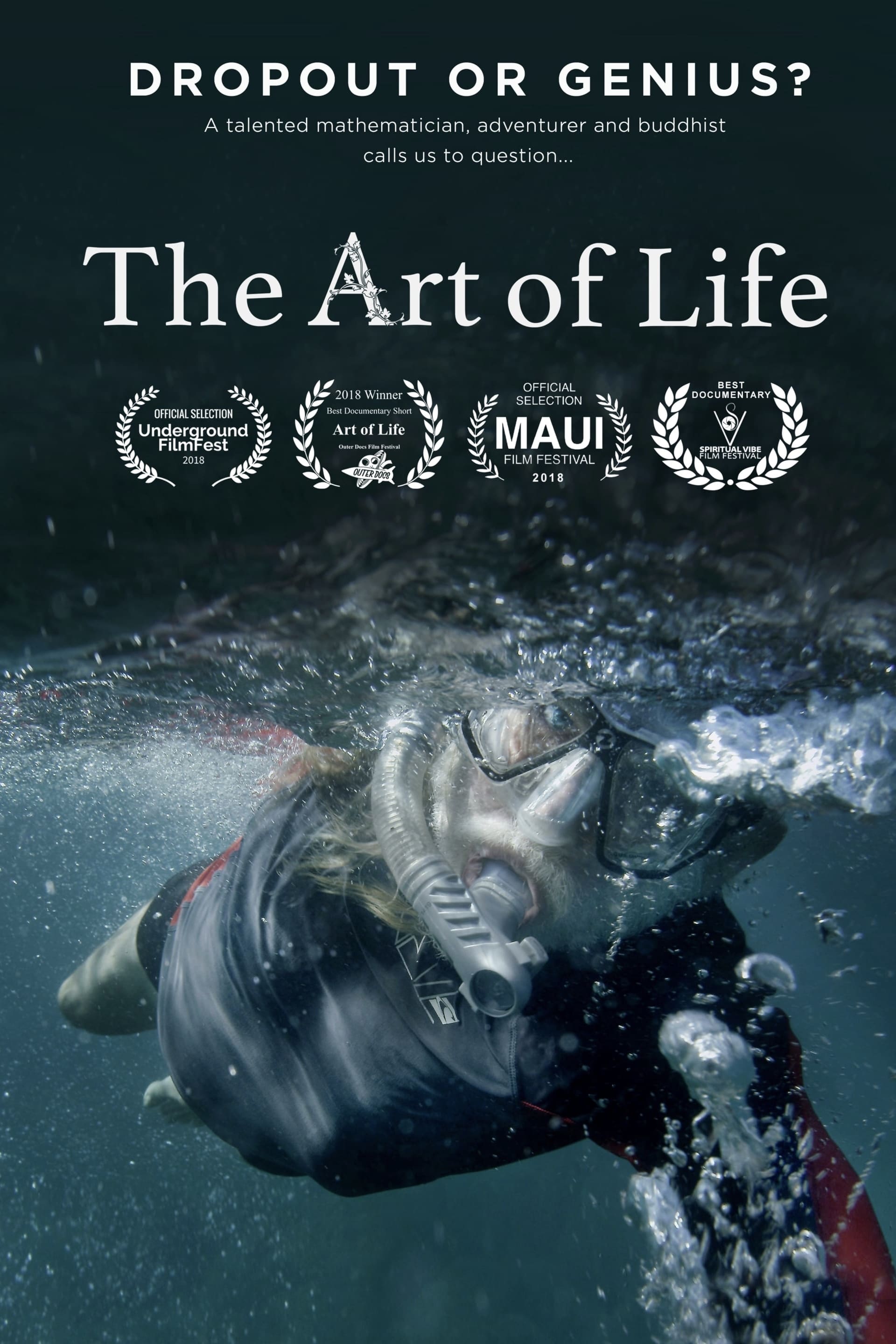
The Art of Life
Documentary
Overview
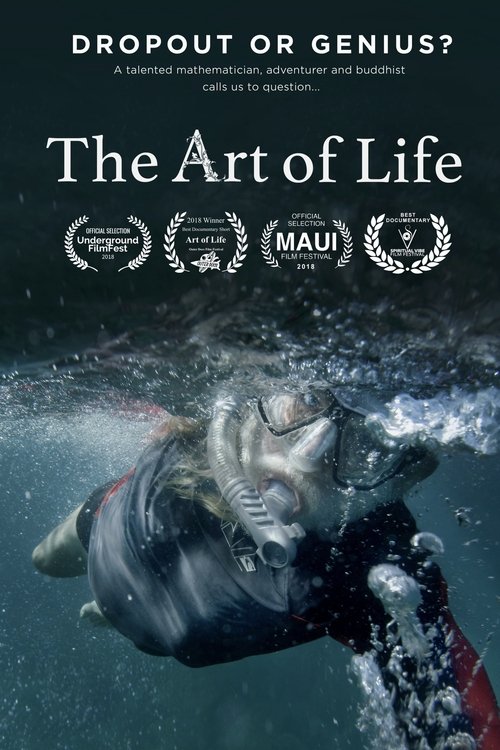
As a rising star in the field of abstract mathematics, Michael discovered that he could see beauty and pattern where others could not. But his path was not to be inside academia, or even inside society. He went on a grand adventure to unify his Buddhism with his ability to see an expanded view of reality. He created beauty in a place where nobody else would, and made his friends amongst dolphins.

No cast information.
Similar Movies
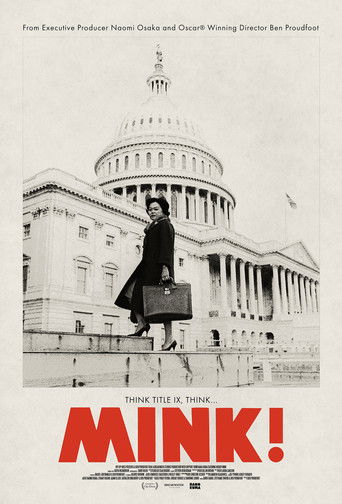
Told by her daughter Wendy, MINK! chronicles the remarkable Patsy Takemoto Mink, a Japanese American from Hawai'i who became the first woman of color elected to the U.S. Congress, on her harrowing mission to co-author and defend Title IX, the law that transformed athletics for generations in America for girls and women.
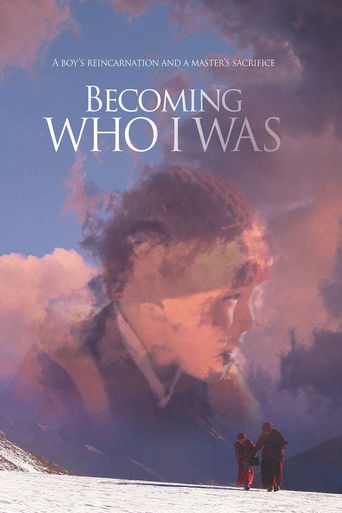
Angdu is no ordinary boy. Indeed, in a past life he was a venerated Buddhist master. His village already treats him like a saint as a result. The village doctor, who has taken the boy under his wing, prepares him to be able to pass on his wisdom. Alas, Tibet, Angdu’s former homeland and the centre of his faith, lies far away from his current home in the highlands of Northern India. On top of that, the conflict between China and Tibet makes the prospect of a trip there even more daunting. Undeterred by these harsh facts, the duo set off for their destination on foot, accompanied by questions of friendship and the nature of life. With its narrative approach steeped in a serene sense of concentration, this documentary film, composed over a period of eight years, stands as a fundamental experience in its own right.
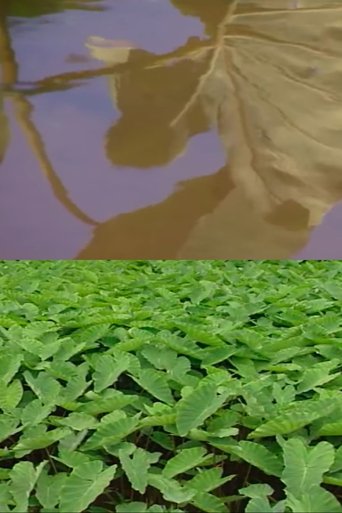
Kalo (taro) production on each of the major islands of Hawai'i circa 1994. Meet the amazing people who love and continue to cultivate taro on lo'i that in some cases has been in the family for generations and centuries! Young, old, and family growers on Maui, Moloka'i, Hawai'i, O'ahu, and Kaua'i islands. Includes history/culture of kalo, Issues related to land and water, uses of kalo, and prospects for the future.
The influential life and powerful messages of Vietnamese Buddhist monk Thich Nhat Hanh are explored in this biographical documentary. For more than 50 years, this amazing social activist has preached self-awareness and compassion for all living beings. Follow him as he travels through France and the United States—including a stop at the Vietnam War Memorial in Washington, D.C.—spreading peace by teaching mindfulness and forgiveness.
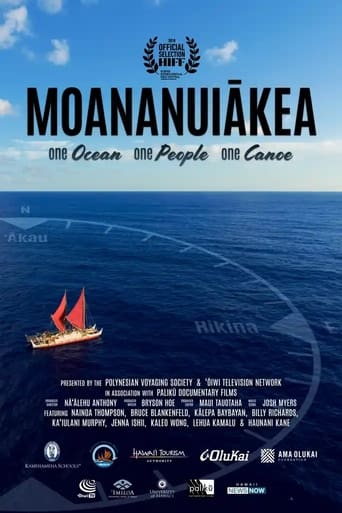
From 2019 Maui Film Festival This powerful documentary celebrates the historic Malama Honua Worldwide Voyage that connected countless individuals and communities from around the globe. A voyage that also represented the fulfillment of the vision of Nainoa Thompson and his contemporaries, the passing of the mantle to the next generation of kanaka maoli who will retain the skills of their ancestors and perpetuate this tradition for generations to come so the legacy of Hokulea can last for 1,000 generations.
The Hawaiian Islands, located 2,000 miles from the U.S. West Coast, primarily rely on agriculture for their economy, as they lack significant minerals and manufacturing. Sugar cane and pineapple are the two main crops. Sugar cane, first cultivated in Hawaii over a century ago, is harvested after 1.5 to 2 years of growth, with fires used to clear leaves before gathering. Pineapples are planted using a paper mulch technique, and the ripe fruit is quickly processed for canning. Shipping plays a crucial role in transporting these products to the mainland U.S. and bringing necessary goods to Hawaii, making it vital for the islands' prosperity.
Street art, creativity and revolution collide in this beautifully shot film about art’s ability to create change. The story opens on the politically charged Thailand/Burma border at the first school teaching street art as a form of non-violent struggle. The film follows two young girls (Romi & Yi-Yi) who have escaped 50 years of civil war in Burma to pursue an arts education in Thailand. Under the threat of imprisonment and torture, the girls use spray paint and stencils to create images in public spaces to let people know the truth behind Burma's transition toward "artificial democracy." Eighty-two hundred miles away, artist Shepard Fairey is painting a 30’ mural of a Burmese monk for the same reasons and in support of the students' struggle in Burma. As these stories are inter-cut, the film connects these seemingly unrelated characters around the concept of using art as a weapon for change.