


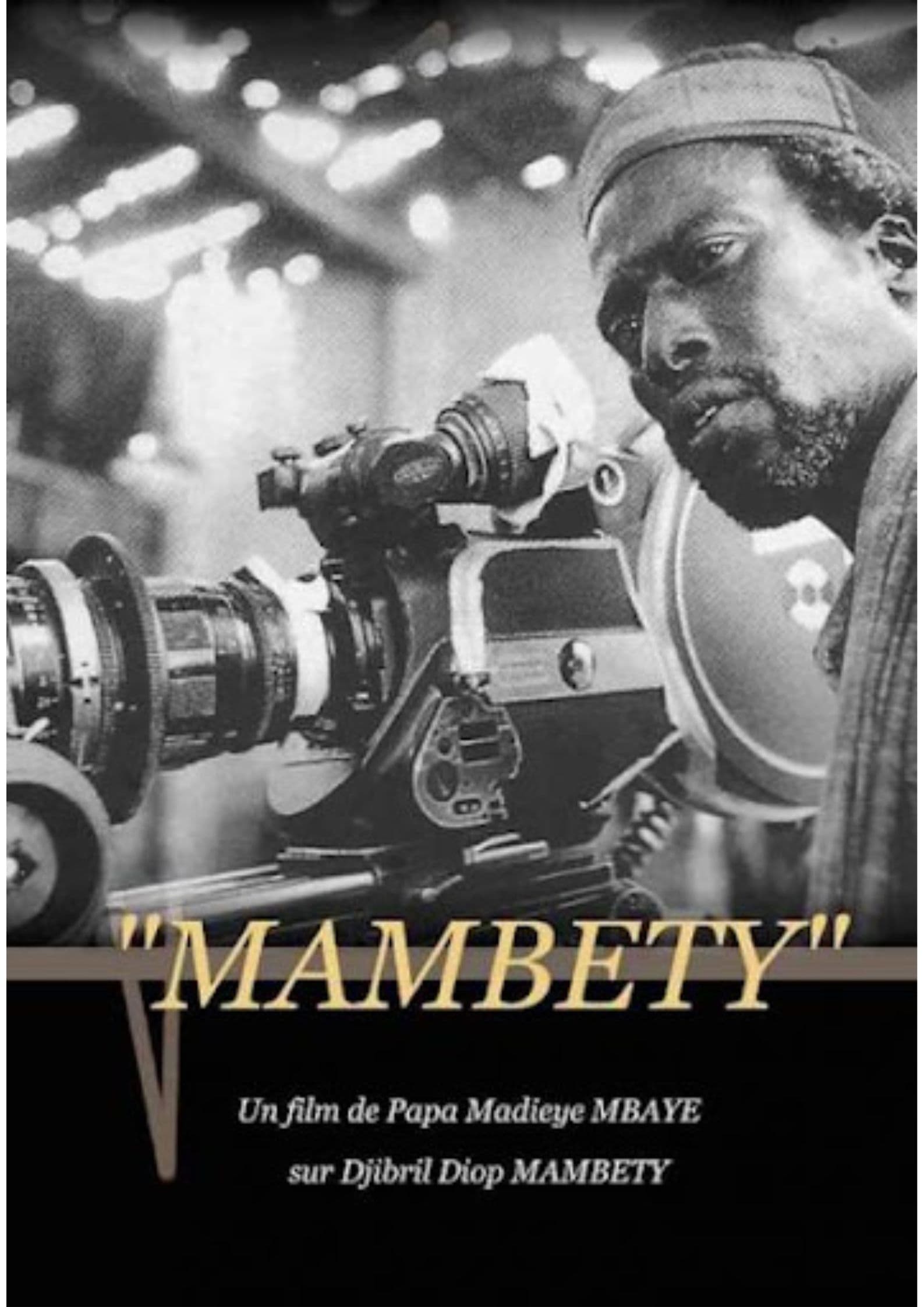
Mambéty
Documentary
Overview
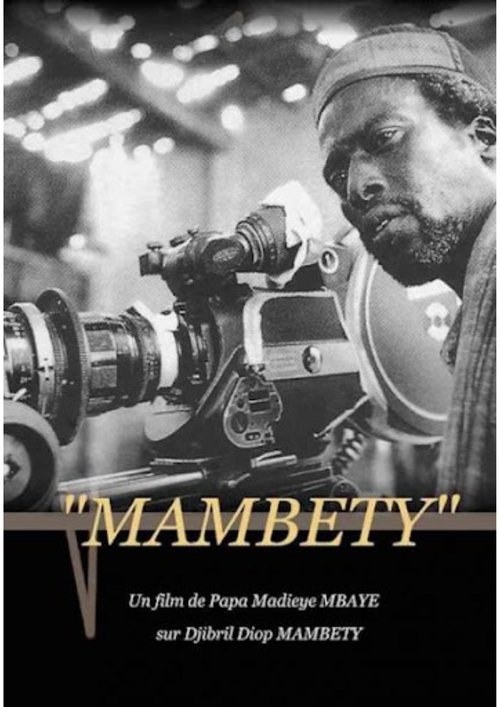
Senegalese director Djibril Diop Mambéty, one of the greatest figures in all of African film, died in 1998. In this behind-the-scenes documentary, shot during the making of his final work, The Little Girl Who Sold the Sun / La petite vendeuse de soleil, Mambéty speaks with his technicians, prepares the actors, talks with his young star, and, in voiceover, shares his thoughts on cinema and life.Mambéty doesn't differ significantly from the stock "behind-the-scenes" documentaries that adorn most DVDs nowadays, except that Mambéty's films have scenes you actually want to be taken behind. Because of the kind of attention that gets paid to African cinema, there's an initial intrigue to Mambéty, but that interest is sustained by Mambéty's own lyrical insights into his aesthetics.
Top Cast



Djibril Diop Mambéty
Djibril Diop Mambéty
Self
Djibril Diop Mambéty
Self
Similar Movies
Keur Simbara is an intimate, lyrical short documentary that follows a group of women community organizers in a rural Senegalese village as they build and sustain systems of health, finance, agriculture, and domestic infrastructure. Amid water scarcity and environmental challenges, they articulate their hopes for the future and the legacy they wish to leave behind. Keur Simbara is a tribute to communal wisdom and the power of local organizing.
Each year, the pilgrimage of the Muslim brotherhood of the Mourides takes place in Touba. From all over Senegal (and even from all over the world) pilgrims flock to take part in this religious event which will last three days and two nights. Grand Magal in Touba evokes the black Islam, promotes peace and tolerance, born of syncretism between Islam and the blackness of the Sufi brotherhoods in Senegal.
African Underground: Democracy in Dakar is a groundbreaking documentary film about hip-hop youth and politics in Dakar Senegal. The film follows rappers, DJs, journalists, professors and people on the street at the time before, during and after the controversial 2007 presidential election in Senegal and examines hip-hop’s role on the political process. Originally shot as a seven part documentary mini-series released via the internet – the documentary bridges the gap between hip-hop activism, video journalism and documentary film and explores the role of youth and musical activism on the political process.
Study of the relationship between observer and landscape in the contemplative experience. The view building the landscape from the necessary distance. The delimitation of its borders against the total continuum of nature. The observer immersed in the path of his gaze across the landscape. Resting the gaze in the details that make the globallity. The view selecting the space included as a landscape.
A documentary portrait of Tiit Pääsuke, the most prominent painter in contemporary Estonia. Artist per excellence, creator of the imaginary picture-landscapes, a charming person, adorer of the woman’s beauty, gentleman and a colonel in local whisky club - Tallinn Uisge Beatha Club. “When painting, I compose the details of my pictures, my human models not as traditional painter, but more like film or theatre director works with actors, my compositions are as performances, theatrical happenings”. - Tiit Pääsuke

In 1931 the rains stopped and the "black blizzards" began. Powerful dust storms carrying millions of tons of stinging, blinding black dirt swept across the Southern Plains — the panhandles of Texas and Oklahoma, western Kansas, and the eastern portions of Colorado and New Mexico. Topsoil that had taken a thousand years per inch to build suddenly blew away in only minutes. One journalist traveling through the devastated region dubbed it the "Dust Bowl." This American Experience film presents the remarkable story of the determined people who clung to their homes and way of life, enduring drought, dust, disease — even death — for nearly a decade. Less well-known than those who sought refuge in California, typified by the Joad family in John Steinbeck's "The Grapes of Wrath," the Dust Bowlers who stayed overcame an almost unbelievable series of calamities and disasters.
Narrated by Academy Award winners Sissy Spacek and Herbie Hancock, River of Gold is the disturbing account of a clandestine journey into Peru's Amazon rainforest to uncover the savage unraveling of pristine jungle. What will be the fate of this critical region of priceless biodiversity as these extraordinarily beautiful forests are turned into a hellish wasteland?