

Resistant
Documentary
Overview
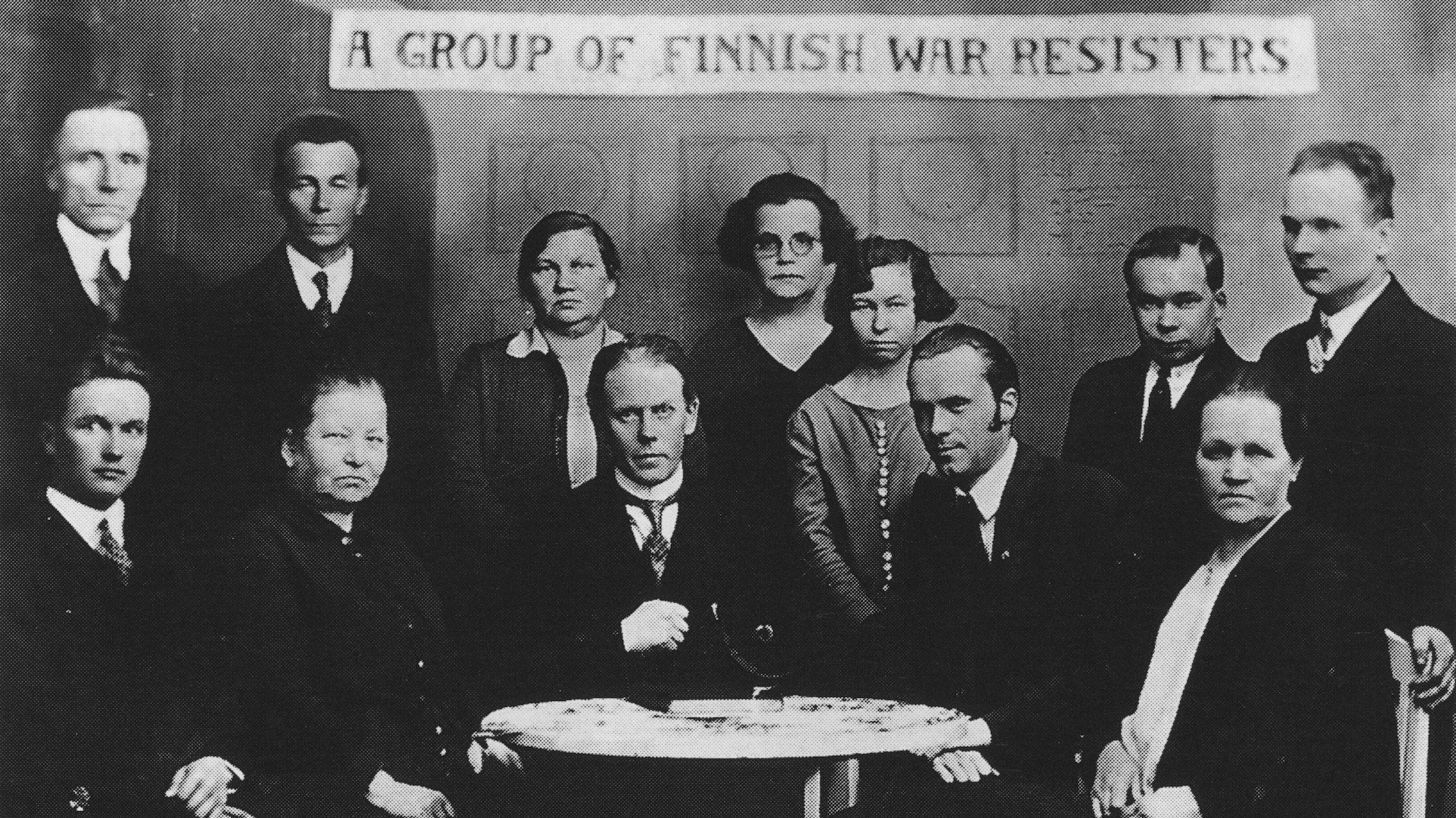
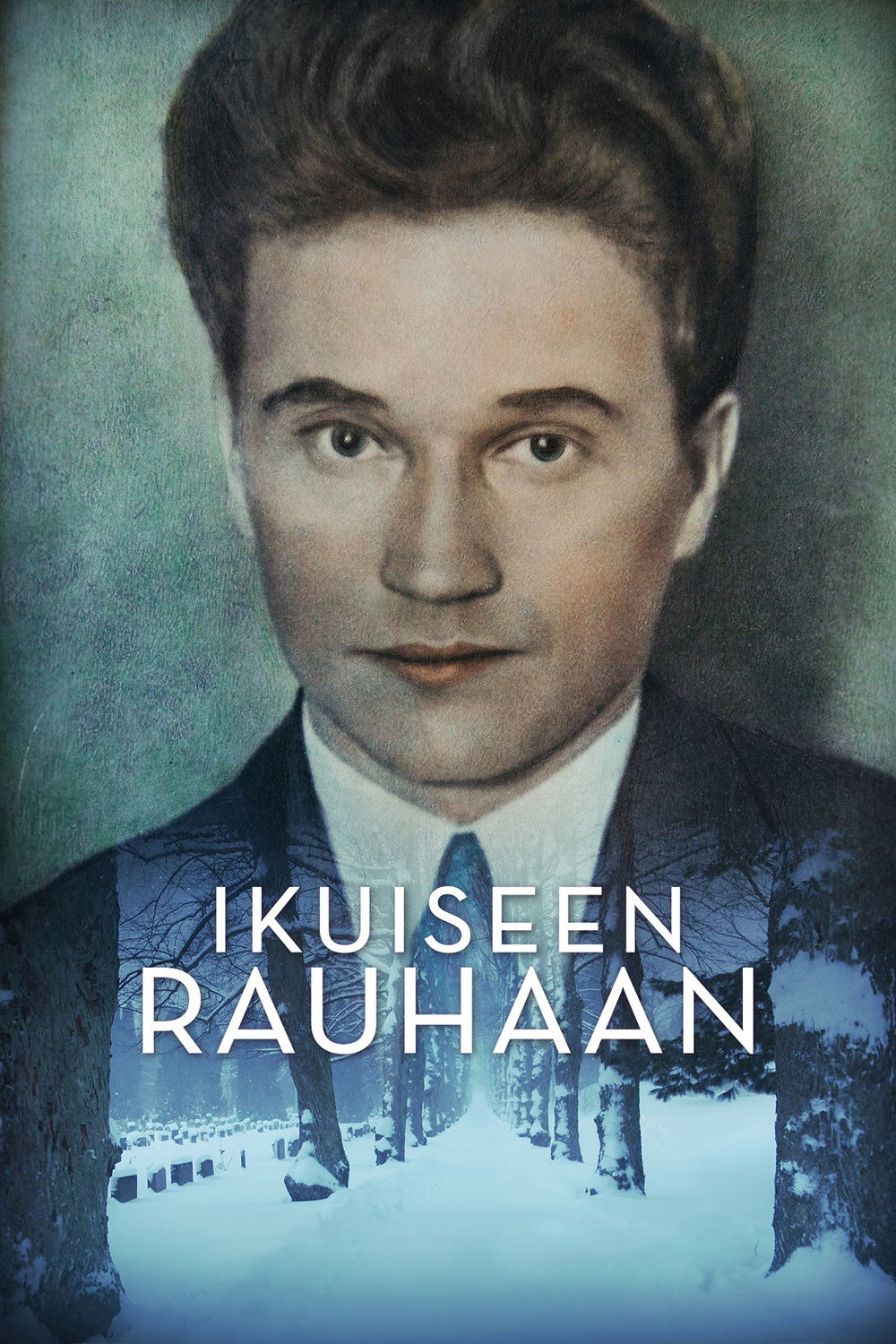
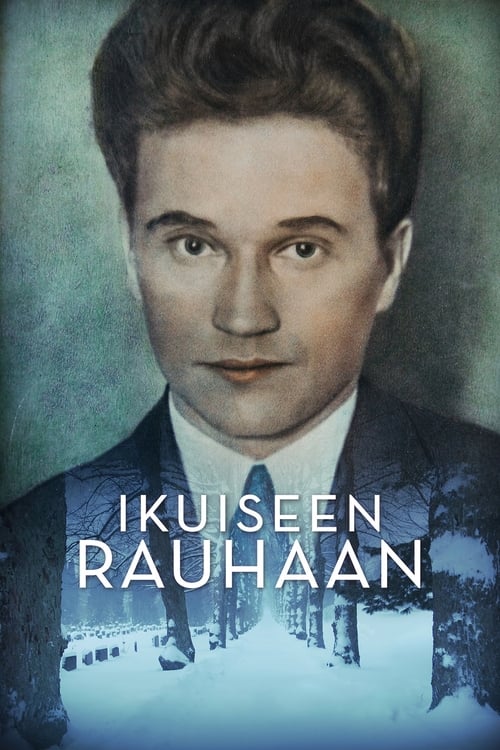
Documentary film about Arndt Pekurinen and the peace movement in the early 20th century. Pekurinen spoke out for pacifism, conscientious objection and peace, and received support for his actions around the world. However, his worldview collided with the nationalist and militaristic atmosphere of the era in Finland. He was considered a troublemaker, a traitor, and a caricature of masculinity. The film is a universal and timeless account of a man persecuted for his opinions. At the same time, it is a description of the weak tolerance of young independent Finland towards dissidents. Pekurinen was executed during the Continuation War by his compatriots on November 5, 1941.
Top Cast

Joonas Saartamo
Arndt Pekurinen (voice)

Elena Leeve
Säde Pekurinen (voice)
Vilma Melasniemi
Aleksandra Pekurinen (voice)
Olavi Uusivirta
Aarne Selinheimo / Aito Alsi (voice)

Lauri Tilkanen
Tauno Tapanainen / Kaarlo Kinnunen (voice)

Hannu-Pekka Björkman
Ilmari Talvitie (voice)
Taisto Oksanen
Freedy Kekäläinen (voice)
Olli Uosukainen
Juho Niukkanen (voice)
Nicholas Wancke
Somerville Hastings (voice)




Joonas Saartamo
Joonas Saartamo
Arndt Pekurinen (voice)
Joonas Saartamo
Arndt Pekurinen (voice)
Elena Leeve
Elena Leeve
Säde Pekurinen (voice)
Elena Leeve
Säde Pekurinen (voice)
Vilma Melasniemi
Vilma Melasniemi
Aleksandra Pekurinen (voice)
Vilma Melasniemi
Aleksandra Pekurinen (voice)
Olavi Uusivirta
Olavi Uusivirta
Aarne Selinheimo / Aito Alsi (voice)
Olavi Uusivirta
Aarne Selinheimo / Aito Alsi (voice)
Lauri Tilkanen
Lauri Tilkanen
Tauno Tapanainen / Kaarlo Kinnunen (voice)
Lauri Tilkanen
Tauno Tapanainen / Kaarlo Kinnunen (voice)
Hannu-Pekka Björkman
Hannu-Pekka Björkman
Ilmari Talvitie (voice)
Hannu-Pekka Björkman
Ilmari Talvitie (voice)
Taisto Oksanen
Taisto Oksanen
Freedy Kekäläinen (voice)
Taisto Oksanen
Freedy Kekäläinen (voice)
Olli Uosukainen
Olli Uosukainen
Juho Niukkanen (voice)
Olli Uosukainen
Juho Niukkanen (voice)
Nicholas Wancke
Nicholas Wancke
Somerville Hastings (voice)
Nicholas Wancke
Somerville Hastings (voice)
Similar Movies
The exceptional portrait of a pacifist general, the only senior officer to have spoken out against torture. This precious testimony still remains censored in France, since no national channel has to date decided to program this documentary. Son and brother of a soldier, General Pâris de Bollardière was destined for a career in arms. He was, for many years, one of the most brilliant representatives of this adventurer career in France, from Narvik to the Algerian War. After fighting in the French maquis, he reached Indochina, where he suddenly found himself in the aggressor's camps. His beliefs are strongly shaken. But it is in Algeria, where the French army practices torture and summary executions, that he takes the big turn. He expresses his contempt to Massu, and is relieved of his command. Until his death in 1986, Jacques de Bollardière fought for world peace, from the Larzac plateaus to the Mururoa atolls.
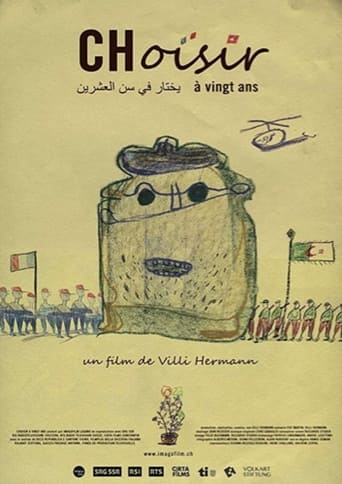
Between 1954-1962, one hundred to three hundred young French people refused to participate in the Algerian war. These rebels, soldiers or conscripts were non-violent or anti-colonialists. Some took refuge in Switzerland where Swiss citizens came to their aid, while in France they were condemned as traitors to the country. In 1962, a few months after Independence, Villi Hermann went to a region devastated by war near the Algerian-Moroccan border, to help rebuild a school. In 2016 he returned to Algeria and reunited with his former students. He also met French refractories, now living in France or Switzerland.
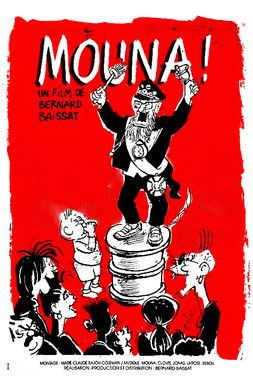
Everyone knows Aguigui Mouna, the jester who harangues the crowds on the Beaubourg esplanade in Paris and rides his bicycle through demonstrations. But many don't know the story of André Dupont, a Savoyard raised in tough conditions, forced into violence in the navy to rise to power and into resourcefulness in civilian life to survive. Antibes, 1952, the transformation: Aguigui Mouna is born. Laughter, solidarity, non-violence, humanism—Mouna has found the meaning of his existence. He will try to share them with all the robots of this "poop-pee-capitalist" society. A comic book character who, through his adventures, reveals the absurdities of his century.
"Well, I believe in anarchy! And I believe it will come true one day." That's what "May the Rebel," a union activist, anti-militarist, and anarchist, always ready to denounce oppression and defend victims, affirms at 85. Born in Brittany, she earned her living at age 10 delivering butter. In Paris, at 20, she became involved with the Anarchist Union. Sébastien Faure became her mentor. She used a grenade to trigger the Sacco-Vanzetti affair. A union delegate in Moscow in 1922, she sang "Hymn to Anarchy" before Trotsky. Children during the Spanish Civil War, Jews during the Second World War, conscientious objectors alongside Louis Lecoin during the Algerian War, and later, through her newspaper Le Réfractaire, the Larzac, Plogoff, and Creys-Malville protests—all these were battlegrounds for May Picqueray. To the very end, she remained true to her commitment to defending peace and individual liberties.
Like all Israeli youth, Atalya is obligated to become a soldier. Unlike most, she questions the practices of her country's military, and becomes determined to challenge this rite of passage. Despite her family's political disagreements and personal concerns, she refuses military duty and is imprisoned for her dissent. Her courage moves those around her to reconsider their own moral positions and personal power. OBJECTOR follows Atalya to prison and beyond, offering a unique window into the Israeli-Palestinian conflict from the perspective of a young woman who seeks truth and takes a stand for justice.
Amani is 31. When he was an infant, he survived the genocide against Rwanda’s Tutsi population. Three decades later, Amani has set up an organisation in Nyamirambo, one of the more economically impoverished districts of the country’s capital, Kigali. It employs creativity, artistic practice and performance to grapple with poverty and generational trauma – acknowledging that deep-seated ideologies can easily foment prejudice and create an environment that proved so catastrophic in the past.
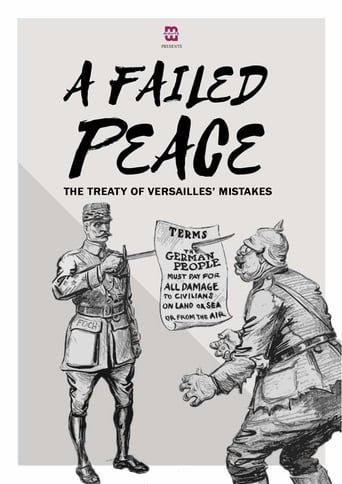
At the end of WWI, the treaty of Versailles established the conditions for peace in Europe. The aim for the victorious powers was to make Germany pay reparations, and to guarantee a future without war. Yet a decade later, the denunciation of 'Versailles' became a powerful lever for the nazis to obtain power as these reparations would mark the beginning of the humiliation of the German people, and nurture a feeling of having been bestowed a hopeless future. In the 20 years that follow the end of WWI, the issue of reparations and responsibility will effectively poison international relationship. The treaty negative impact goes well beyond WWII as the new European borders it implemented led to many conflicts during the twentieth century. This documentary shines a light on the causality between the decisions taken with the treaty of Versailles, and the ensuing events of the century.
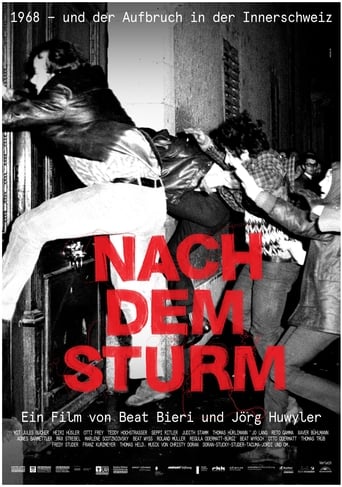
The protests of 1968 had a significant impact on the great cities of the world. But people like to forget that the periphery went through the same social upheavals – Central Switzerland, for example. This is hardly surprising: in the founding cantons of the Old Swiss Confederacy, society followed a strict order; tradition, shaped by centuries of Catholic rule, seemed untouchable. But in the 1960s, the local youth could not take these stifling conditions anymore: starting in 1969, resistance broke out across Central Switzerland.