


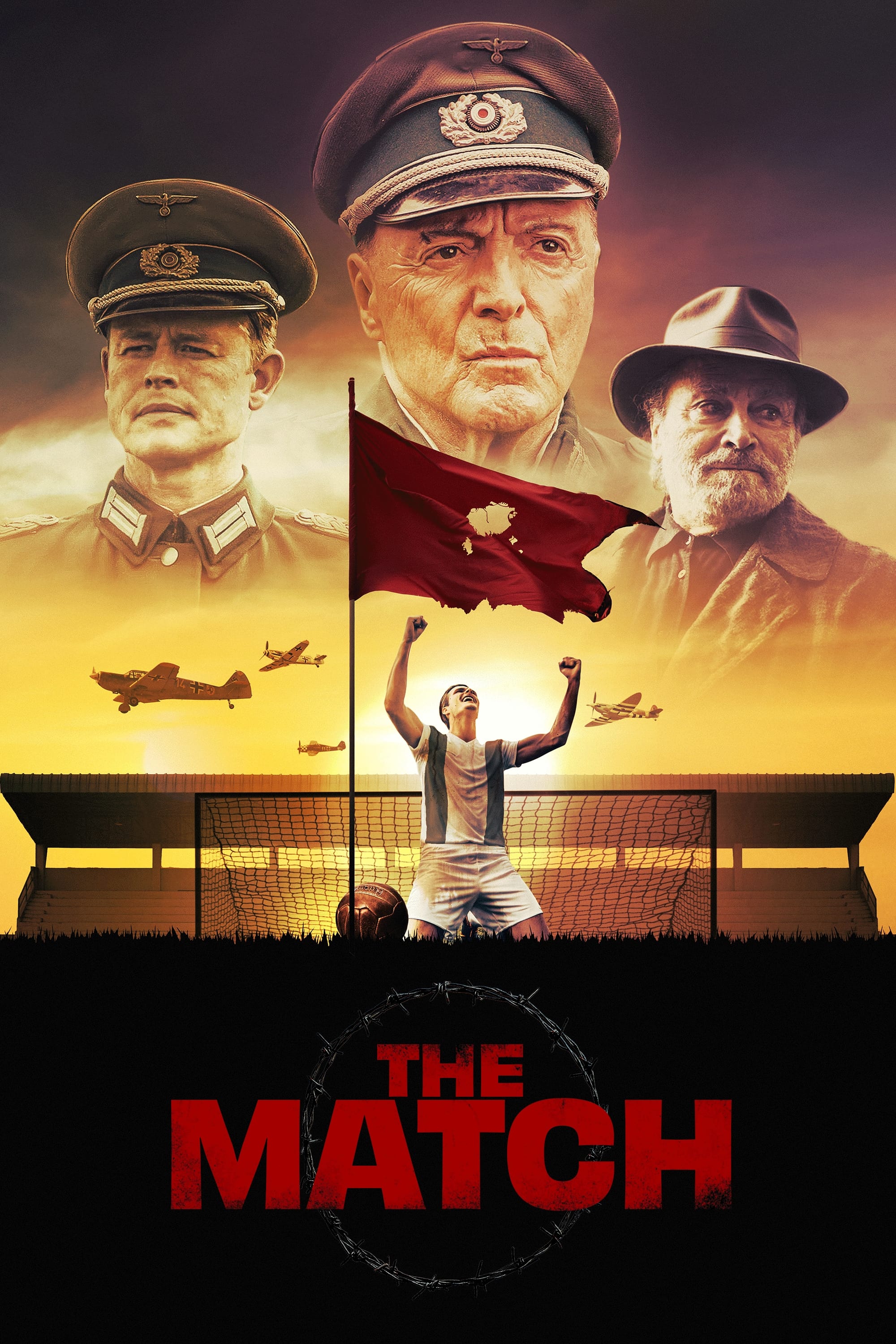

Drama · History · War
Overview
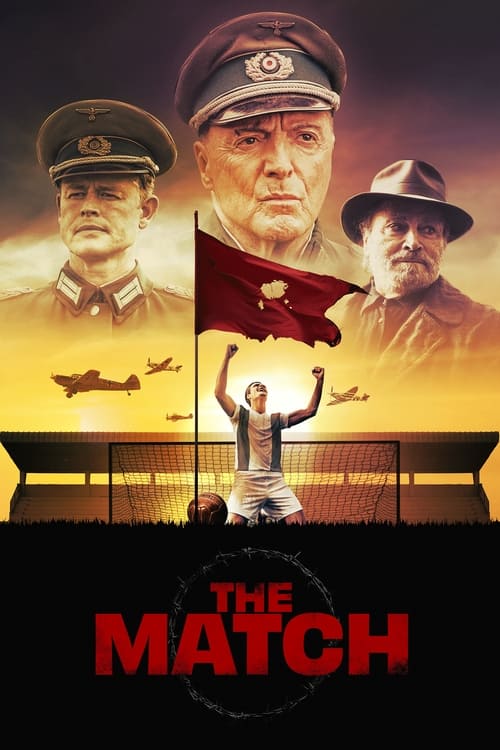
Inspired by true events from the spring of 1944 when the Nazis organized a football match between a team of camp inmates and an elite Nazi team on Adolf Hitler's birthday. A match the prisoners are determined to win, no matter what happens.
Top Cast







Franco Nero
Franco Nero
Old Branko
Franco Nero
Old Branko

Caspar Phillipson
Caspar Phillipson
Colonel Franz
Caspar Phillipson
Colonel Franz

Filip Tallhamn
Filip Tallhamn
Karolyi Faraco
Filip Tallhamn
Karolyi Faraco

Andrej Dojkić
Andrej Dojkić
Laszlo Horvath
Andrej Dojkić
Laszlo Horvath

Viktor Kulhanek
Viktor Kulhanek
Young Branko
Viktor Kulhanek
Young Branko

Armand Assante
Armand Assante
Commander
Armand Assante
Commander

Milton Welsh
Milton Welsh
Peter
Milton Welsh
Peter

Robert Maaser
Robert Maaser
Hans Gruber
Robert Maaser
Hans Gruber

Philippe Reinhardt
Philippe Reinhardt
Henckel
Philippe Reinhardt
Henckel

Andrea Zirio
Andrea Zirio
Sandor Stekely
Andrea Zirio
Sandor Stekely
Similar Movies
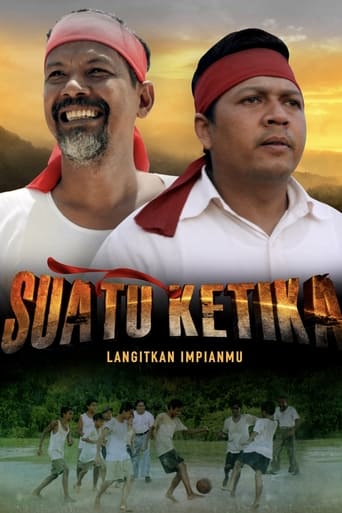
His medical condition doesn't stop a 12-year-old village boy from working hard with a school gardener to form a ragtag team of soccer players, in order to compete in the JG Davidson Cup tournament. They will have to go up against the reigning champion, St. James, a highly privileged British school.

An international soccer star is on his way to sign a multimillion dollar contract when something happens that brings his career to an abrupt end. A beautiful waitress, struggling to make it in New York City, discovers something about herself that she's unprepared for. In one irreversible moment, their lives are turned upside down.
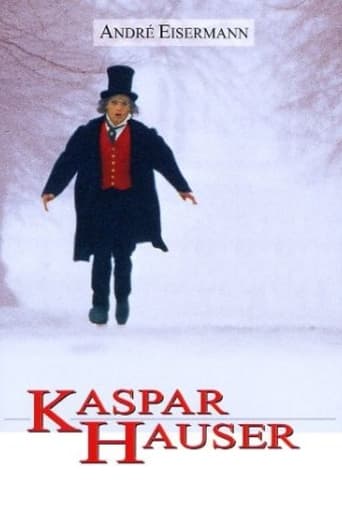
In May 1828, a feral boy aged around 16 was found in Nuremberg. Kaspar Hauser, as he is called, can only speak a few indistinct words and knows nothing about his origins or family. The film depicts the - presumed - circumstances under which Hauser was held captive in complete isolation in a hiding place from infancy onwards. From this emerges the picture of an intrigue involving high circles of aristocratic society. Five years after his liberation, in December 1833, Kaspar Hauser died as a result of a stab wound inflicted by an unknown perpetrator.
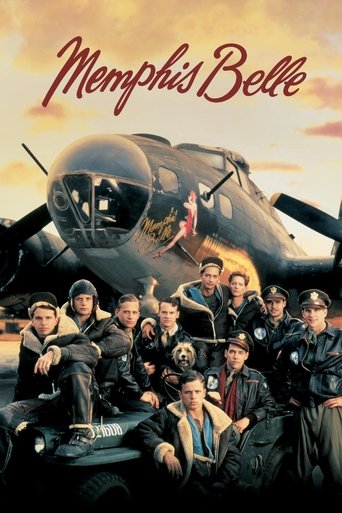
The "Memphis Belle" is a World War II bomber, piloted by a young crew on dangerous bombing raids into Europe. The crew only have to make one more bombing raid before they have finished their duty and can go home. In the briefing before their last flight, the crew discover that the target for the day is Bremen.

For six young men, who could hardly be more different from one another, the fan club of the Eintracht Braunschweig football club is the center of their life and their friendship. 66/67 is the name of their club as well as the year in which Eintracht Braunschweig won the German Championship.
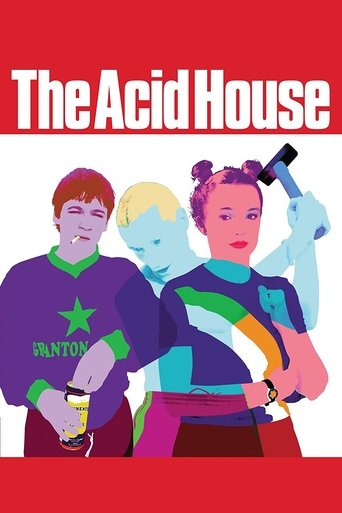
A surreal triptych adapted by "Trainspotting" author Irvine Welsh from his acclaimed collection of short stories. Combining a vicious sense of humor with hard-talking drama, the film reaches into the hearts and minds of the chemical generation, casting a dark and unholy light into the hidden corners of the human psyche.
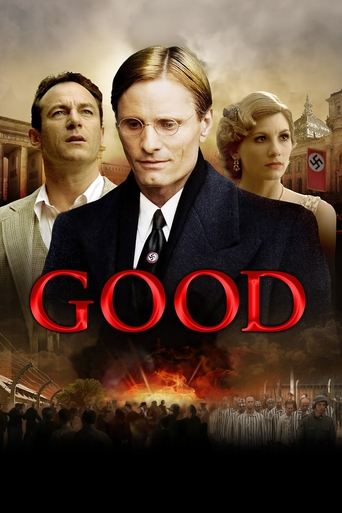
When John Halder's latest novel is enlisted by powerful political figures in the Nazi party to push their agenda, his career and social standing instantly advance. But after learning of the Reich's horrific plans for the future and the devastating effects they will have on people close to him, John must decide whether or not to take a stand and risk losing everything.
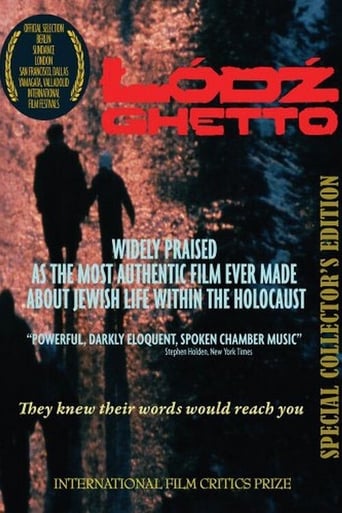
The Polish city of Łódź was under Nazi occupation for nearly the entirety of WWII. The segregation of the Jewish population into the ghetto, and the subsequent horrors are vividly chronicled via newsreels and photographs. The narration is taken almost entirely from journals and diaries of those who lived–and died–through the course of the occupation, with the number of different narrators diminishing as the film progresses, symbolic of the death of each narrator.
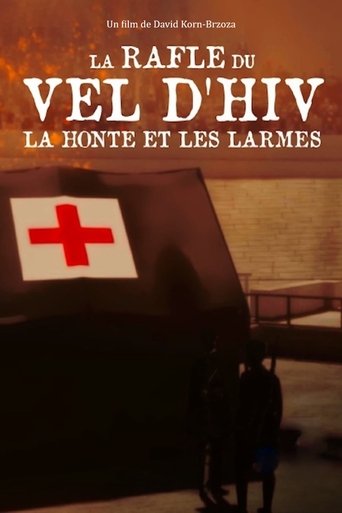
In 1942, more than 8,000 Jews were arrested on 16 and 17 July and sent to the Vélodrome d'Hiver sports center in the 15th district, a stone's throw from the Eiffel Tower, before being deported. The expression "Vel d'Hiv round-up" has become part of our collective memory, to the point of becoming the main memorial reference point for France during the dark years. Based on research carried out in unpublished or rarely explored archives, this film retraces the history of this roundup as experienced by hunted Jews and police trackers, from its planning in the Vichy offices to its hour-by-hour unfolding in the streets of Paris.