

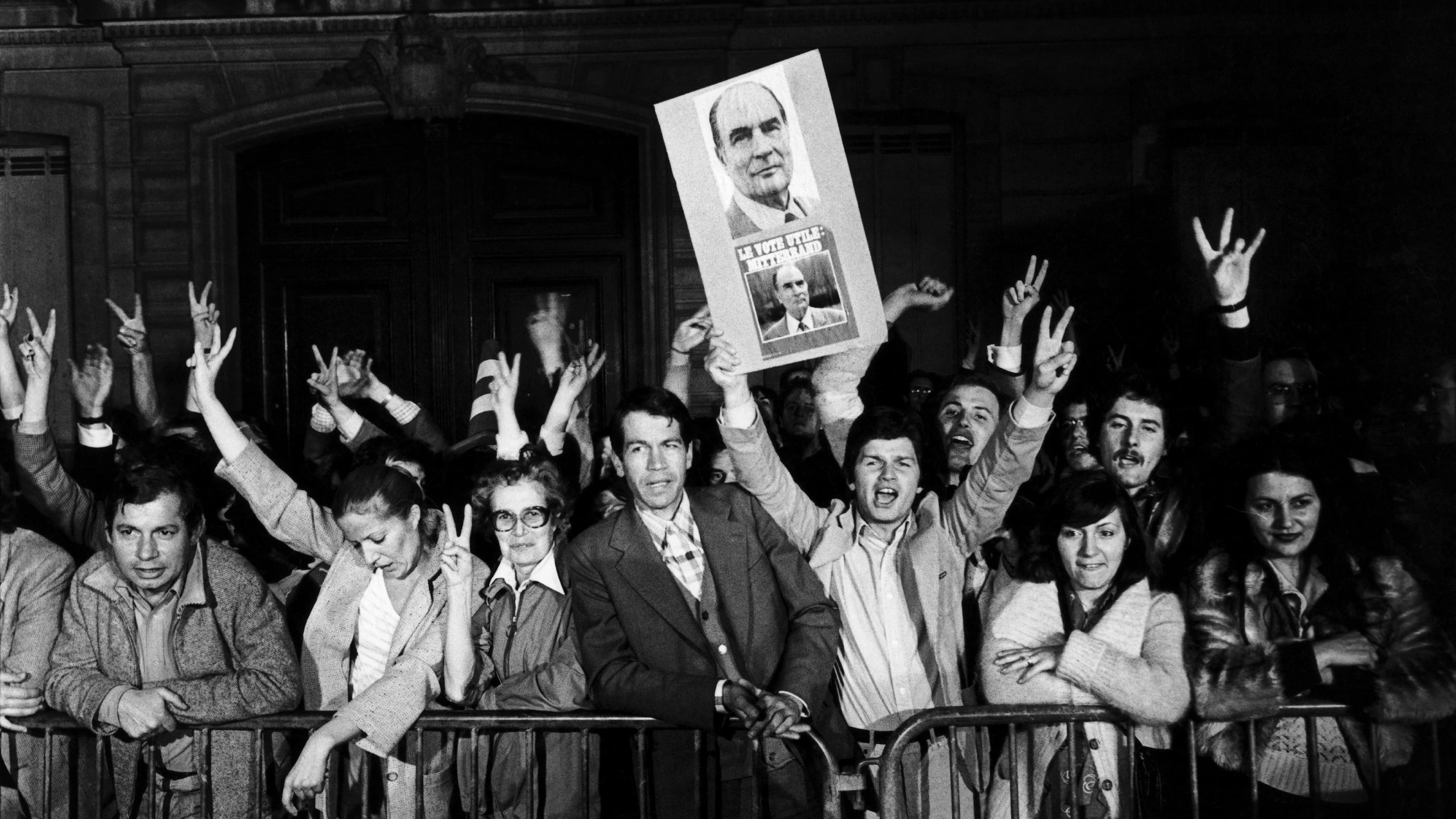
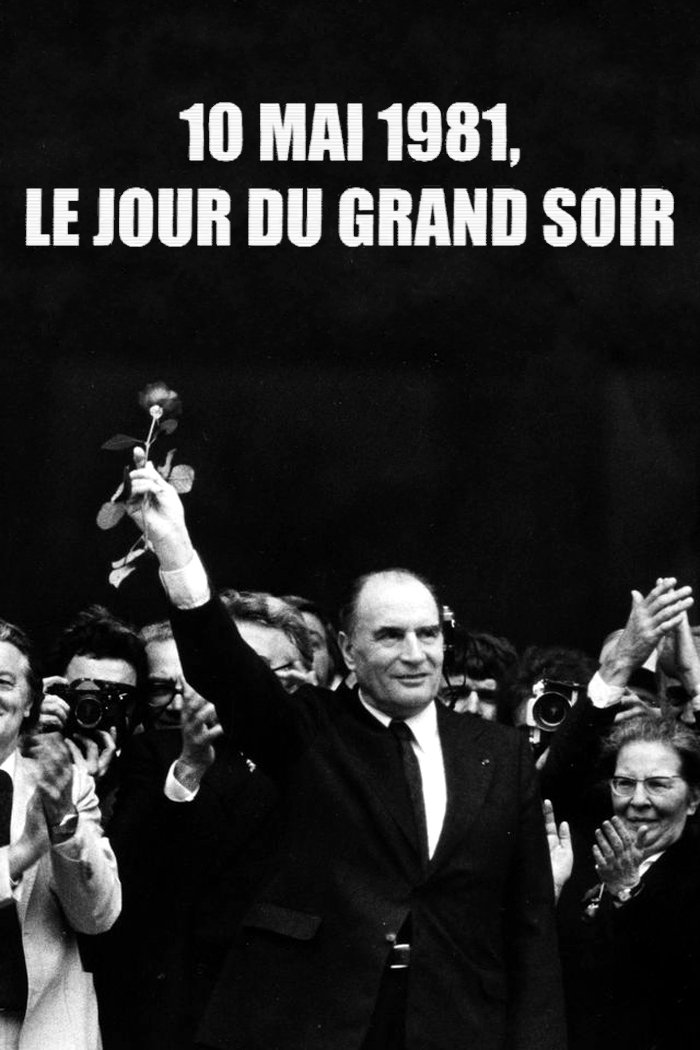
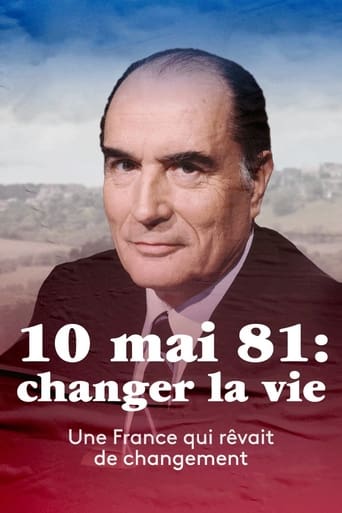
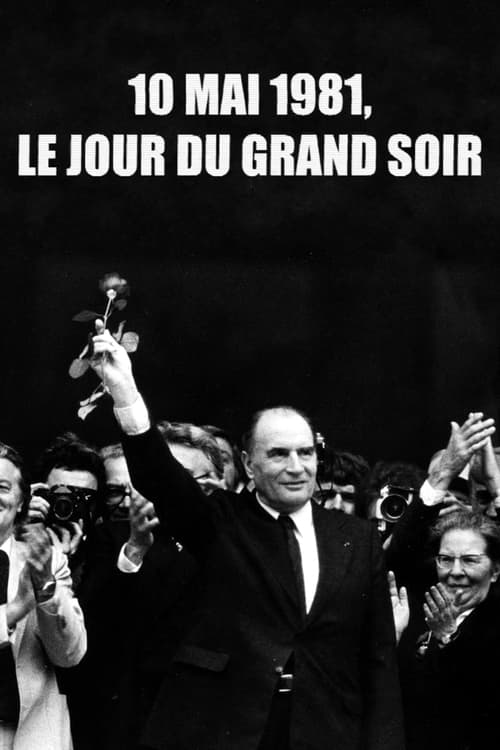
10 mai 1981, le jour du grand soir
Documentary · TV Movie · History




Jean Glavany
Jean Glavany
Self
Jean Glavany
Self
Mazarine Pingeot
Mazarine Pingeot
Self
Mazarine Pingeot
Self
Ivan Levaï
Ivan Levaï
Self
Ivan Levaï
Self
Jacques Séguéla
Jacques Séguéla
Self
Jacques Séguéla
Self
Roland Cayrol
Roland Cayrol
Self
Roland Cayrol
Self
Anicet Le Pors
Anicet Le Pors
Self
Anicet Le Pors
Self
Romain Goupil
Romain Goupil
Self
Romain Goupil
Self
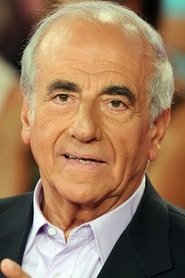
Jean-Pierre Elkabbach
Jean-Pierre Elkabbach
Self
Jean-Pierre Elkabbach
Self
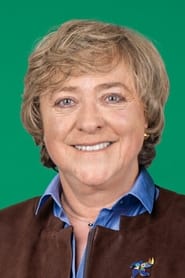
Béatrice Marre
Béatrice Marre
Self
Béatrice Marre
Self
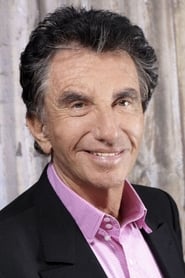
Jack Lang
Jack Lang
Self
Jack Lang
Self
Similar Movies
A group of French soldiers, including the patrician Captain de Boeldieu and the working-class Lieutenant Maréchal, grapple with their own class differences after being captured and held in a World War I German prison camp. When the men are transferred to a high-security fortress, they must concoct a plan to escape beneath the watchful eye of aristocratic German officer von Rauffenstein, who has formed an unexpected bond with de Boeldieu.
Primary is a documentary film about the primary elections between John F. Kennedy and Hubert Humphrey in 1960. Primary is the first documentary to use light equipment in order to follow their subjects in a more intimate filmmaking style. This unconventional way of filming created a new look for documentary films where the camera’s lens was right in the middle of what ever drama was occurring. Preserved by the Academy Film Archive in partnership with The Film Foundation in 1998.
A group of people are standing along the platform of a railway station in La Ciotat, waiting for a train. One is seen coming, at some distance, and eventually stops at the platform. Doors of the railway-cars open and attendants help passengers off and on. Popular legend has it that, when this film was shown, the first-night audience fled the café in terror, fearing being run over by the "approaching" train. This legend has since been identified as promotional embellishment, though there is evidence to suggest that people were astounded at the capabilities of the Lumières' cinématographe.
Published in Paris in 1954, Story of O was an immediate bestseller and literary scandal: an elegantly written S&M fantasy that had all the hallmarks of being an autobiographical account by the pseudonymous Pauline Réage. In 1994 Dominique Aury, a mild-mannered, dowdy editor for France’s prestigious Gallimard press, revealed her authorship. Pola Rapaport explores Aury's inspiration, recreating the world of '50s literary Paris and setting it against dramatic sequences that bring the infamous book to life. The author as well as various French intellectuals expound on the thorny relationship between sexuality and power, submission and freedom, liberation and non-being.
Varda focuses her eye on gleaners: those who scour already-reaped fields for the odd potato or turnip. Her investigation leads from forgotten corners of the French countryside to off-hours at the green markets of Paris, following those who insist on finding a use for that which society has cast off, whether out of necessity or activism.
Gary Hart, former Senator of Colorado, becomes the front-runner for the Democratic presidential nomination in 1987. Hart's intelligence, charisma and idealism makes him popular with young voters, leaving him with a seemingly clear path to the White House. All that comes crashing down when allegations of an extramarital affair surface in the media, forcing the candidate to address a scandal that threatens to derail his campaign and personal life.
In 17th-century France, beautiful country maiden Angélique marries wealthy neighbor Jeoffray de Peyrac out of convenience, but eventually, she falls in love with him. So when Jeoffray is arrested and then vanishes, she bravely sets out to find him. This is the first of many dramas based on Anne and Serge Golon's novels about strong-willed Angélique and her adventures during the reign of Louis XIV, the Sun King.