

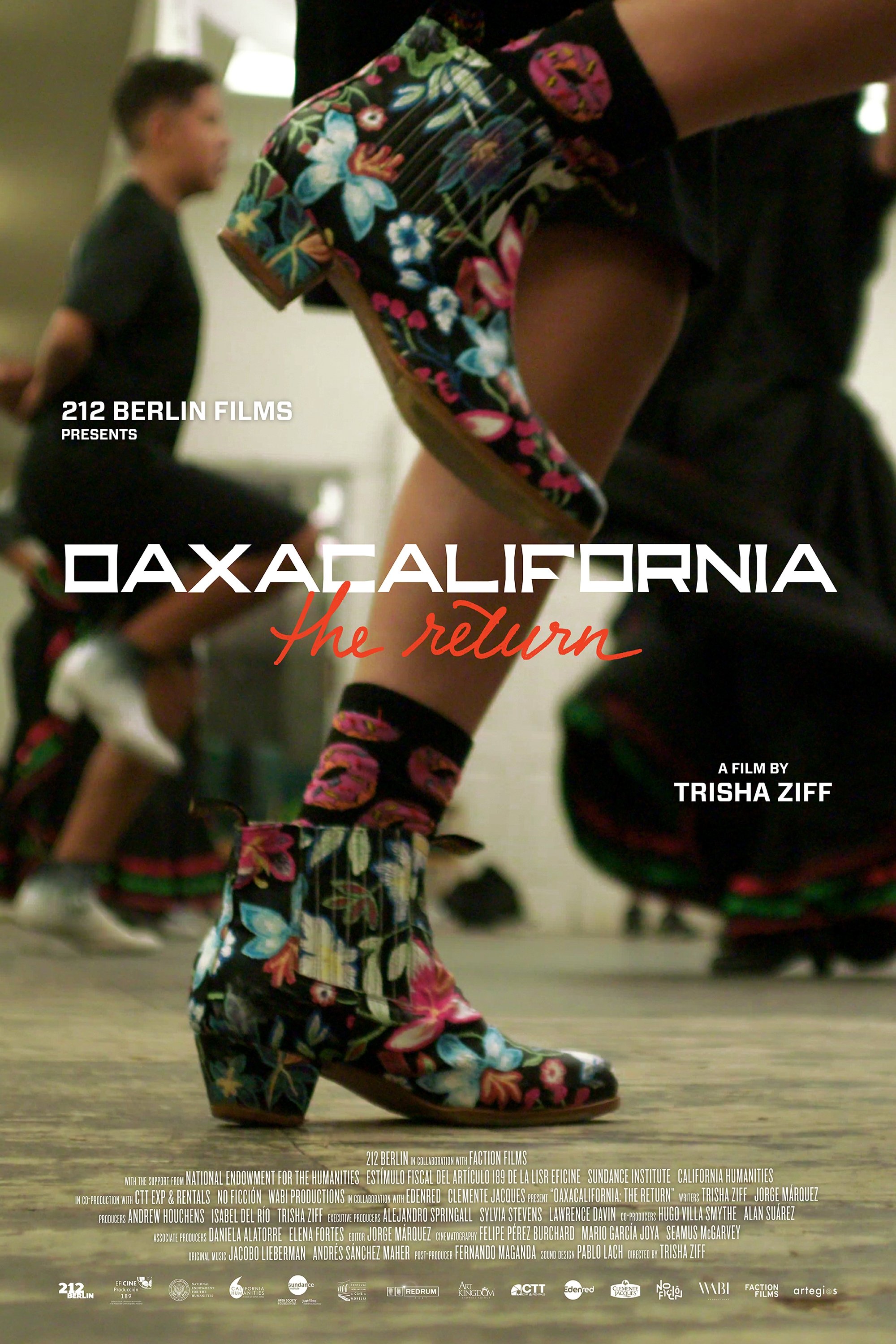
Oaxacalifornia: The Return
Documentary
Overview
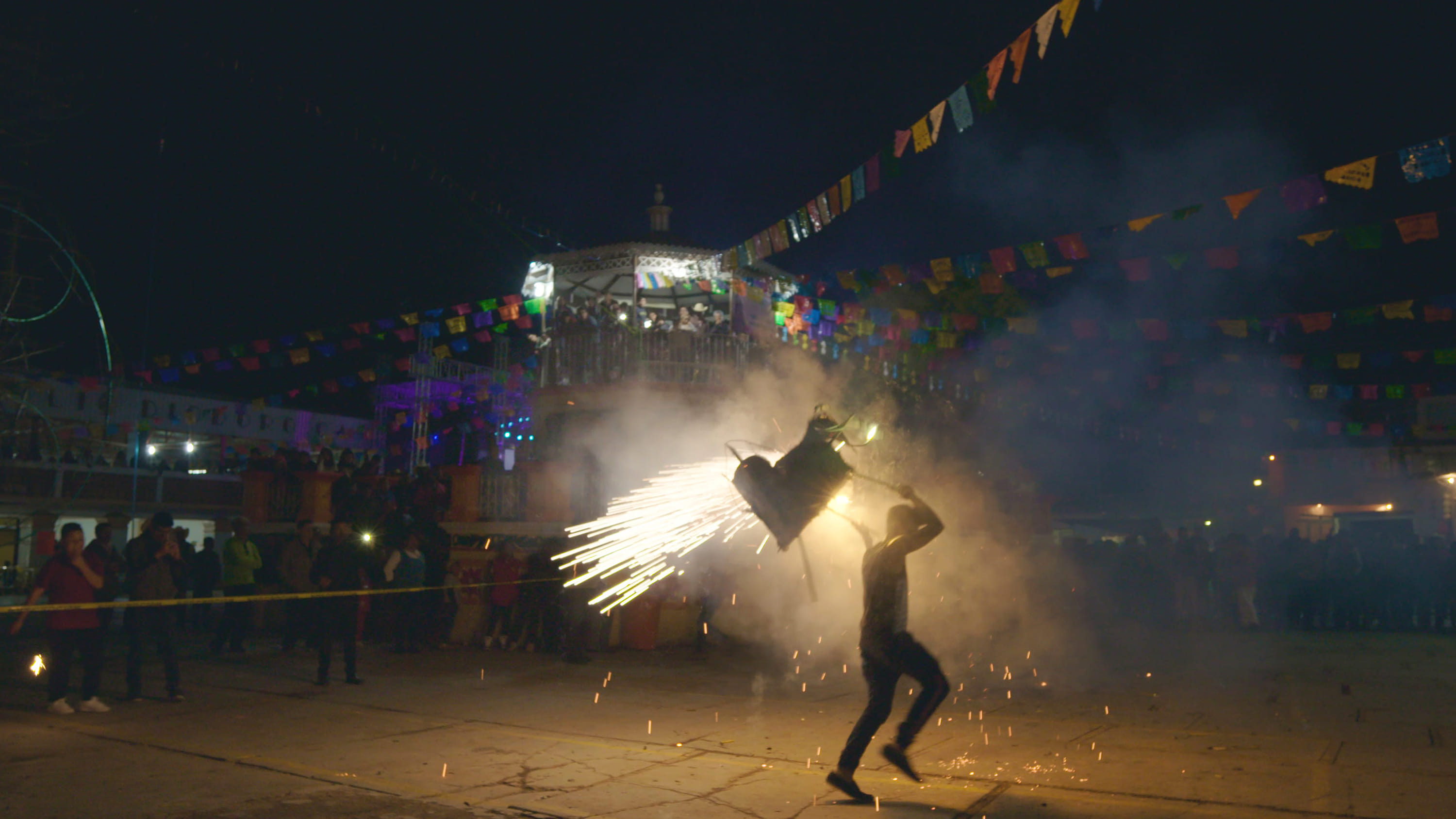
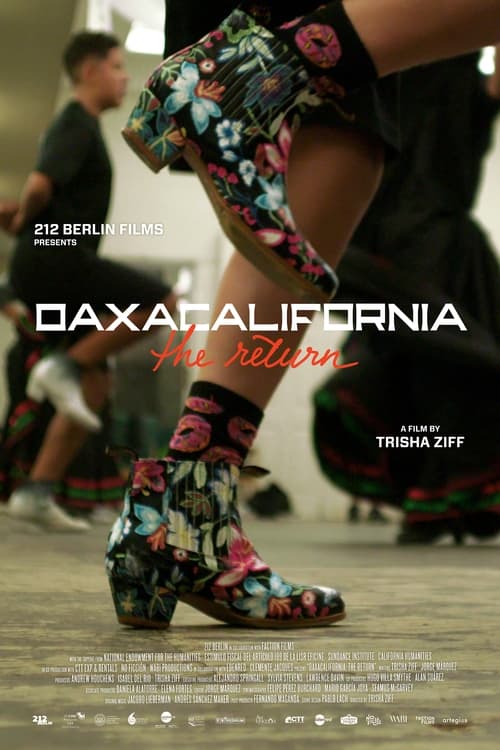
The Mejia family emigrated from Oaxaca to Fresno, California 40 years ago. Filmmaker Trisha ZIff filmed the family in 1996, and returns now to see the changes that have settled over them, and follows the family on their return to Mexico.


No cast information.
Similar Movies
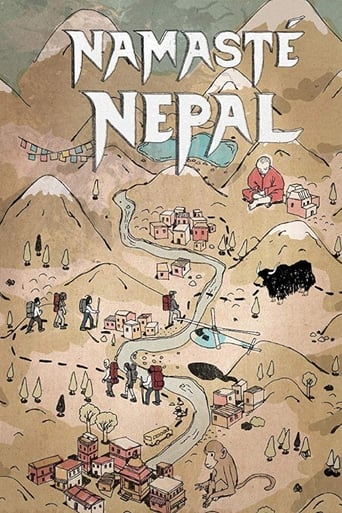
American high school students from the privileged Silicon Valley travel to Manang, Nepal in this documentary about how travel and life experiences can change personal perceptions. Together with a group of Manangi high schoolers, the students expand their cultural knowledge and experience a slice of life as a citizen of the globe.
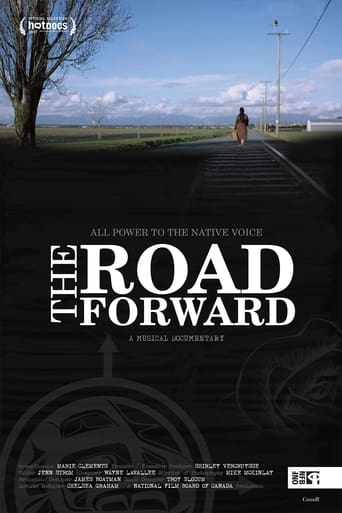
The Road Forward is an electrifying musical documentary that connects a pivotal moment in Canada’s civil rights history—the beginnings of Indian Nationalism in the 1930s—with the powerful momentum of First Nations activism today. Interviews and musical sequences describe how a tiny movement, the Native Brotherhood and Sisterhood, grew to become a successful voice for change across the country. Visually stunning, The Road Forward seamlessly connects past and present through superbly produced story-songs with soaring vocals, blues, rock, and traditional beats.
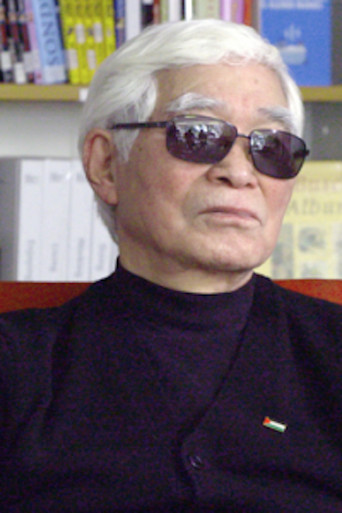
Masao Adachi, the author and director of experimental works and pinku-eiga in the 1960s, was a member of the Japanese New Left that shifted from being a filmmaker to a guerrilla fighter. In 1974, he joined the Japanese Red Army in Lebanon, which worked closely with the Popular Front for the Liberation of Palestine. Filmmaker Lutz Dammbeck met Adachi in Tokyo in 2018 and talked with him about a wide range of topics, including art, revolution, the influence of western avant-garde art and American underground; the Japanese Red Army; collaboration with secret services; the role of the Left after 1968; and the reasons for failures of leftist ideas and strategies.
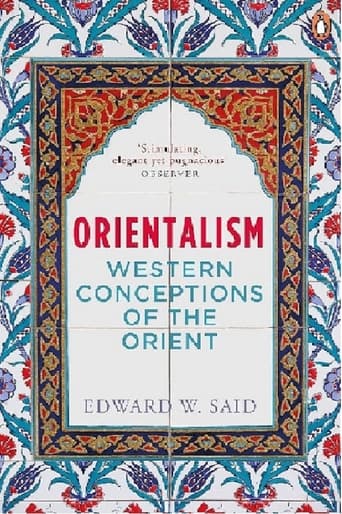
Edward Said's book Orientalism has been profoundly influential in a diverse range of disciplines since its publication in 1978. In this engaging and lavishly illustrated interview he talks about the context within which the book was conceived, its main themes, and how its original thesis relates to the contemporary understanding of "the Orient" as represented in the mass media. "That's the power of the discourse of Orientalism. If you're thinking about people and Islam, and about that part of the world, those are the words you constantly have to use. To think past it, to go beyond it, not to use it, is virtually impossible, because there is no knowledge that isn't codified in this way about that part of the world." -Edward Said
"Africa Light" - as white local citizens call Namibia. The name suggests romance, the beauty of nature and promises a life without any problems in a country where the difference between rich and poor could hardly be greater. Namibia does not give that impression of it. If you look at its surface it seems like Africa in its most innocent and civilized form. It is a country that is so inviting to dream by its spectacular landscape, stunning scenery and fascinating wildlife. It has a very strong tourism structure and the government gets a lot of money with its magical attraction. But despite its grandiose splendor it is an endless gray zone as well. It oscillates between tradition and modernity, between the cattle in the country and the slums in the city. It shuttles from colonial times, land property reform to minimum wage for everyone. It fluctuates between socialism and cold calculated market economy.