

Inês
Documentary
Overview
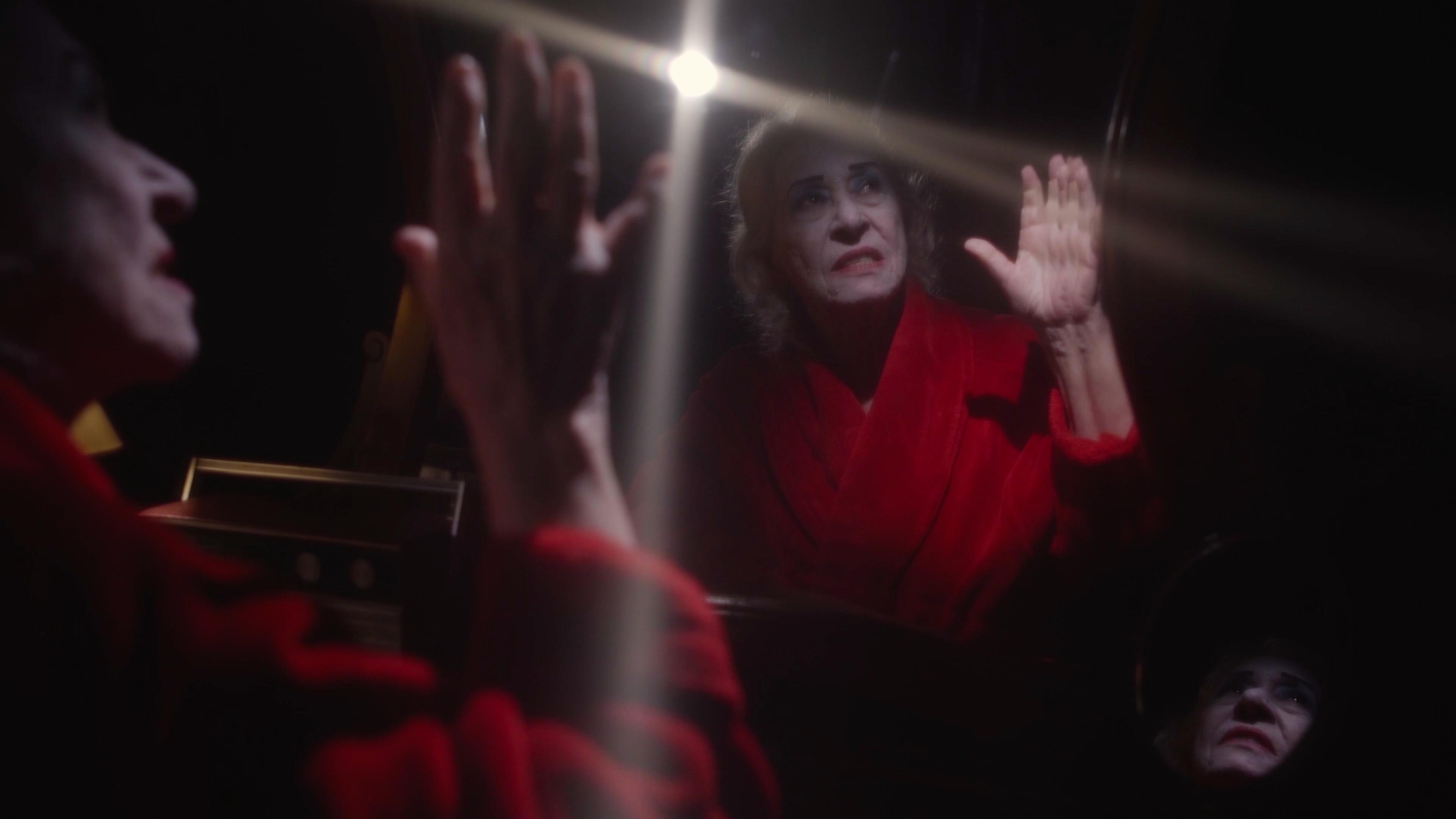
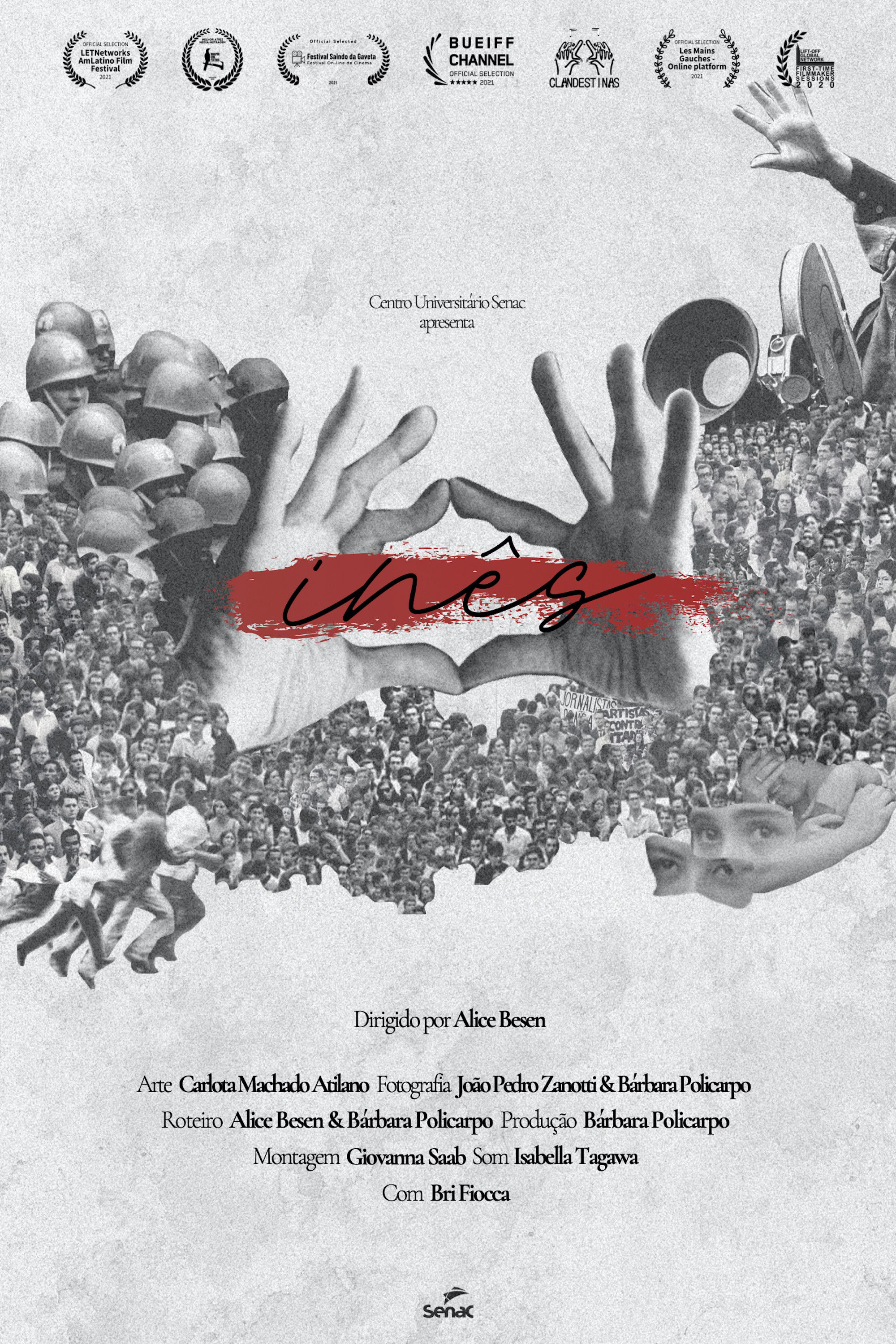
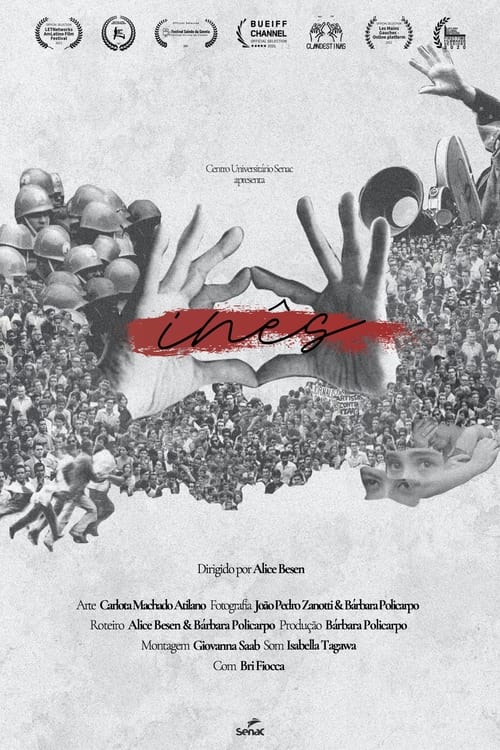
Triggered by congressman Jair Bolsonaro’s homage to the torturer Carlos Alberto Brilhante Ustra, during president Dilma Rousseff’s impeachment hearing in 2016, Inês, a 70 year-old actress, starts a fragmented narrative of her own history, transforming the memories of her youth as an artist and guerrilla fighter during the military dictatorship into performances. Using as a starting point her participation in Teatro Oficina's 1967 production of the play "King of The Candle", by Oswald de Andrade, Inês creates a manifesto in defense of art's political strength, intertwined with memories of lost love and resistance.
Top Cast


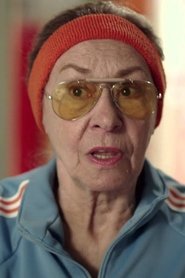
Bri Fiocca
Bri Fiocca
Inês
Bri Fiocca
Inês
Similar Movies
All the legendary women of rock 'n' roll are brought together in this stunning collage of artists and their music. Through a music-driven mix of rare historical footage, music videos, riveting live performances and personal interviews, the lives and times of the greatest women in rock history are revealed.
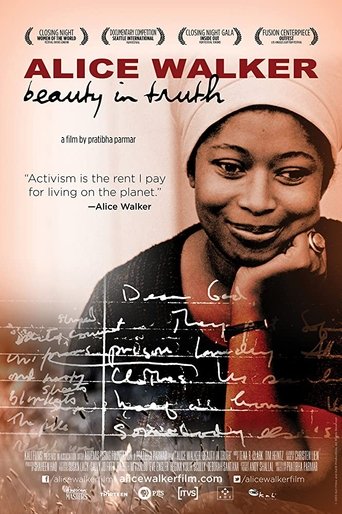
The compelling story of an extraordinary woman's journey from her birth in a paper thin shack in the cotton fields of Georgia to her recognition as a key writer of the twentieth Century.Walker made history as the first black woman to win a Pulitzer Prize for her groundbreaking novel, The Color Purple.
Despite the 1960s free-love and alternative culture, many women found that their lives and expectations had barely altered. But by the 1970s, the Women's Liberation Movement was causing seismic shifts in the march of the world's events, and women's creativity and political consciousness was soon to transform everything - including the face of publishing and literature. In 1973 a group of women got together and formed Virago Press; an imprint, they said, for 52 per cent of the population. These women were determined to make change - and they would start by giving women a voice, by giving them back their history and reclaiming women's literature.
Amid the civil-military dictatorship implanted with the 1964 coup, Sergio Muniz had the idea of making a documentary about the action of the Death Squad. At the time, the press still had some freedom to disseminate the work of these death squads formed by police officers of various ranks, and that he acted on the outskirts of cities like Sao Paulo and Rio de Janeiro. The victims of police repression (as today) were men, poor and black, and this condition is supposed criminals.
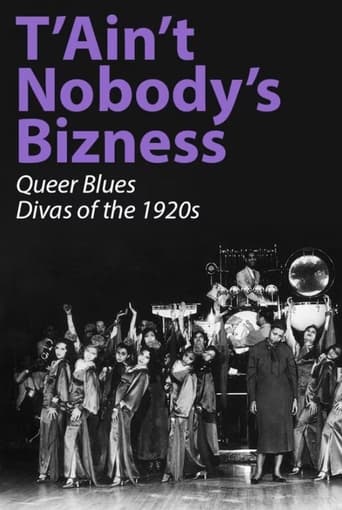
The 1920s saw a revolution in technology, the advent of the recording industry, that created the first class of African-American women to sing their way to fame and fortune. Blues divas such as Bessie Smith, Ma Rainey, and Alberta Hunter created and promoted a working-class vision of blues life that provided an alternative to the Victorian gentility of middle-class manners. In their lives and music, blues women presented themselves as strong, independent women who lived hard lives and were unapologetic about their unconventional choices in clothes, recreational activities, and bed partners. Blues singers disseminated a Black feminism that celebrated emotional resilience and sexual pleasure, no matter the source.

This documentary profiles economist and writer Marilyn Waring. In extensive interviews, Waring details her feminist approach to finances and challenges commonly accepted truths about the global economy. The filmmakers detail Waring's early rise to political prominence and her successful protests against nuclear arms. Waring also speaks candidly about wartime economies, suggesting that government policies tend to marginalize the fiscal contributions of women.

After a long and successful career as a skater, Veronica has stepped away from competing, but continues her legacy by organizing skateboarding workshops to teach young girls from indigenous communities to skate, and to push them to fight back for the public spaces that have been occupied by men and to practice a sport that also belongs to women.