

Looking for Simone
Documentary
Overview
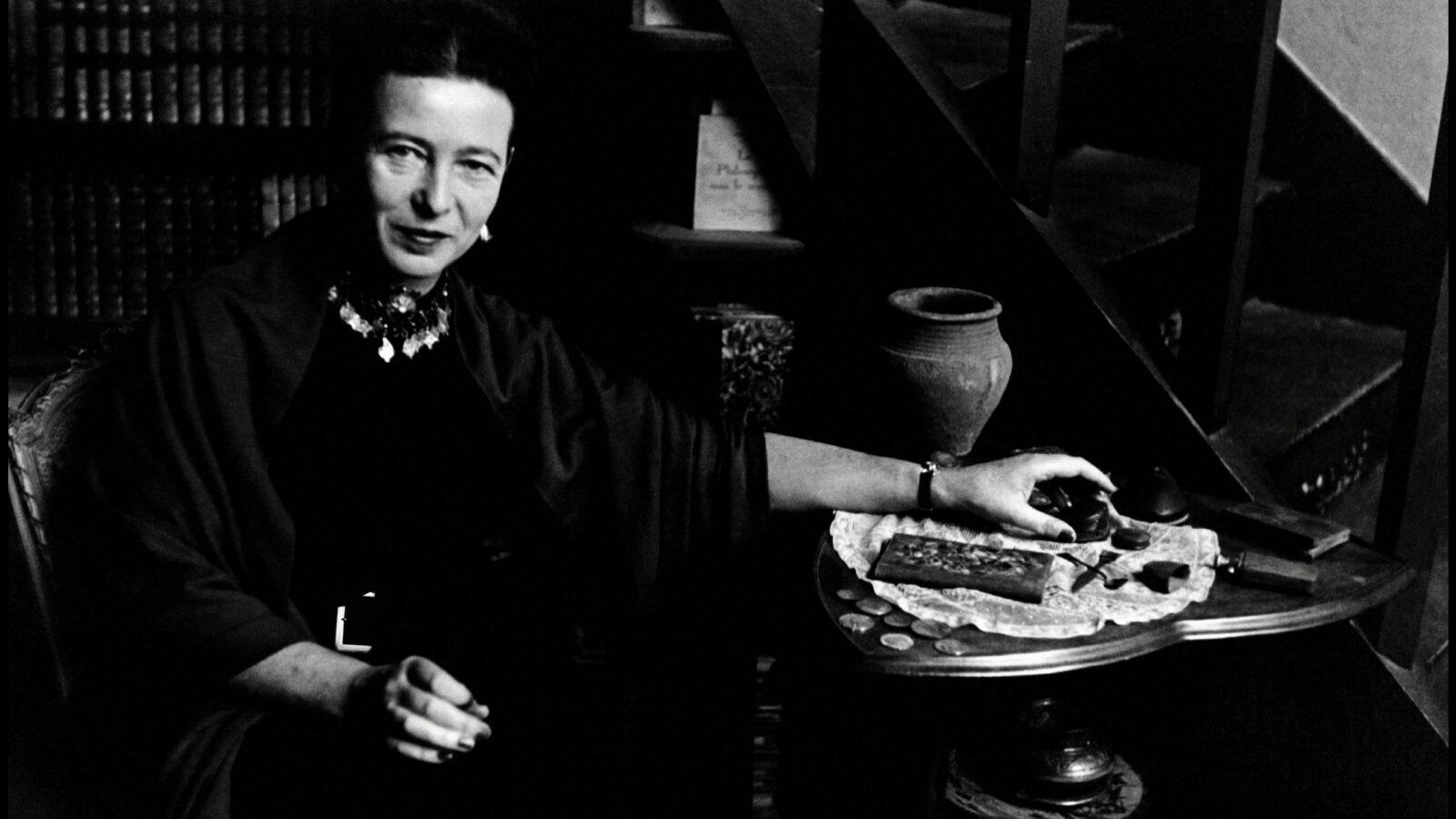
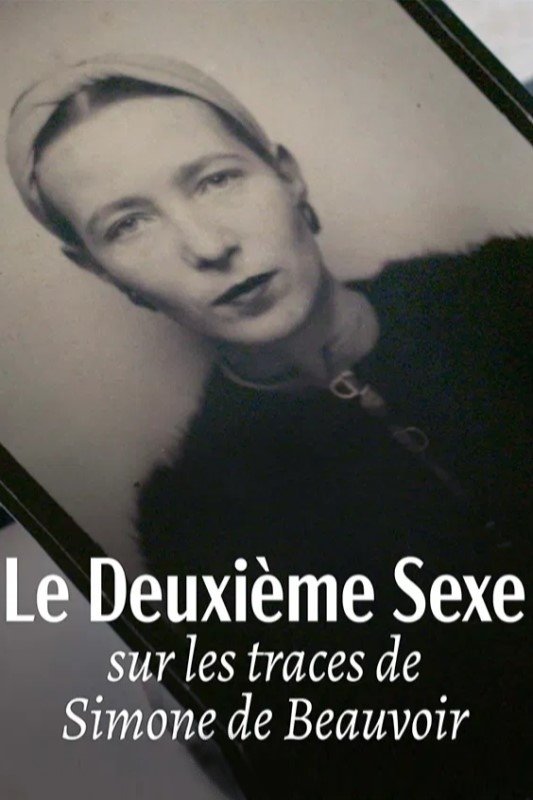
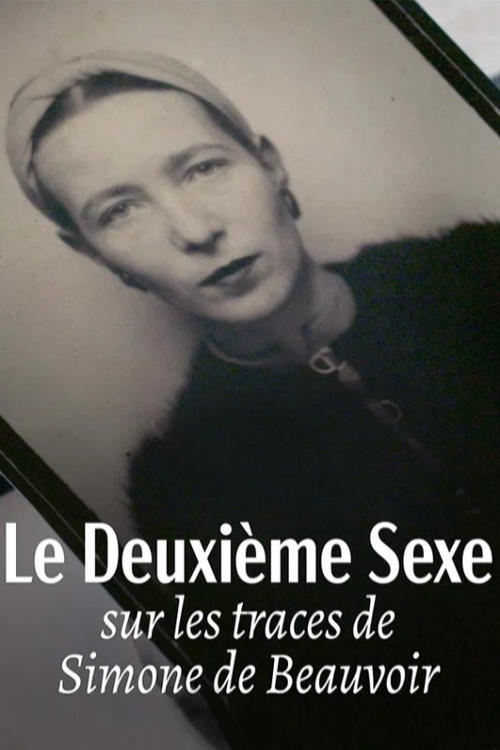
In 1949, philosopher and novelist Simone de Beauvoir wrote the groundbreaking The Second Sex, launching a disruptive discourse on women’s oppression and second-class citizenship. This film dissects the origins and relevance of this bible of feminism, charting de Beauvoir’s fact-finding journey across the US to research her book. The timely and fascinating film honors de Beauvoir’s brilliance and limitations, connecting her revolutionary ideas to the pressing issues women face today.








Noémie Merlant
Noémie Merlant
Narrator
Noémie Merlant
Narrator
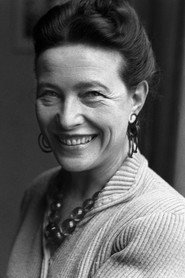
Simone de Beauvoir
Simone de Beauvoir
Self (archive footage)
Simone de Beauvoir
Self (archive footage)
Kellie Carter Jackson
Kellie Carter Jackson
Self
Kellie Carter Jackson
Self

Laure Murat
Laure Murat
Self
Laure Murat
Self
Marsha Colson
Marsha Colson
Self
Marsha Colson
Self
Silvia Federici
Silvia Federici
Self
Silvia Federici
Self
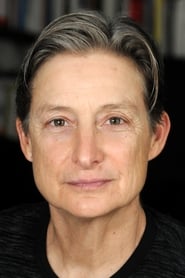
Judith Butler
Judith Butler
Self
Judith Butler
Self
Epli
Epli
Self
Epli
Self
Austin Ochoa
Austin Ochoa
Self
Austin Ochoa
Self
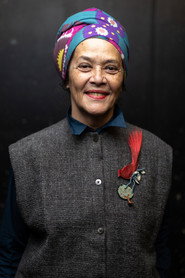
Françoise Vergès
Françoise Vergès
Self
Françoise Vergès
Self
Similar Movies

A critical analysis by Jacob Geller analyzing the depiction of head- (or consciouness-) transplants in video games such as Wolfenstein 2 or Soma in parallel with the history of the almost-father of head transplants (his experiences having been limited to monkeys), Robert Joseph White. How did we end up moving the center of human consciouness from the heart to the brain ? Where does the soul come in to play here? When is the body / Theseus' ship no longer the body / Theseus' ship for having had its limbs / its wood transplanted too much ?
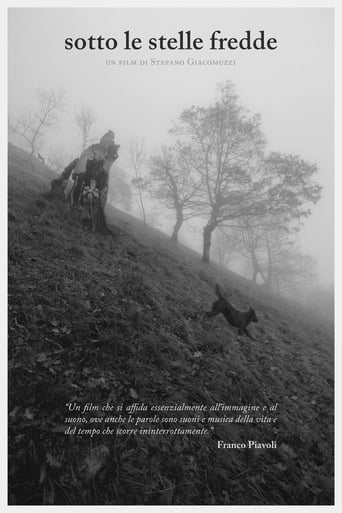
Set in the mountains of northeast Italy, this film may be considered an observational documentary about rural life. Although this is undeniably the case, at the same time Under the cold stars can hardly be considered a documentary: the microcosm on which it focuses appears to be a reflection of a broader reality and perhaps a way to deal with the themes of man’s existence and his relationship with animals, nature and, most importantly, with time. As written by Franco Piavoli "it is a film which essentially relies on images and sound, where words themselves are sound and the music of life, of the relentless flow of time."
Johan van der Keuken explains, "Some fifteen filmmakers were asked to make a film series in a relay style for a very popular variety program on Dutch television: each new program was to start from the last image of the previous program, developing the story from that image. It was necessary to work according to codes of the crime thriller. I 'sabotaged' these codes, following a close-up of a pistol, inherited from my predecessor, by a series of comic observations of my cat, accompanied by a text on the need to innovate methods of expression and communication in cinema."

Part architectural genius, part kitsch fairytale, Neuschwanstein Castle is closely linked to the tragic fate of Ludwig II of Bavaria (1845-1886). The "Mad King" poured his heart and soul into this unique construction which looks back nostalgically to the Middle Ages. A focus on the history of a building filled with dreams and legends which has become an icon of Germany around the world.
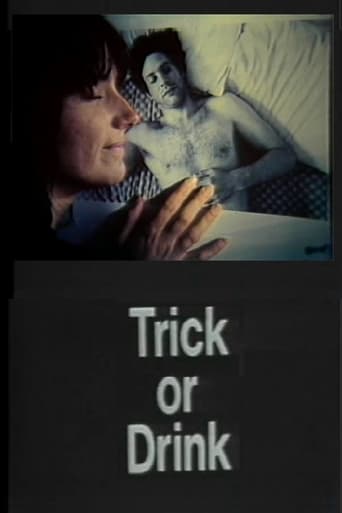
Adapted from a performance by the same name, fuses autobiographical material with information about how an alcoholic family perpetuates addictive behavior. Elements of Alcoholics Anonymous meetings, such as the “Hi, my name is...” introduction are used along with photo-montage and a disjointed narrative. In addition to being shown at venues such as the Museum of Modern Art and the New Museum, Trick Or Drink has been used regularly by hospitals and alcohol treatment centers throughout the United States.