

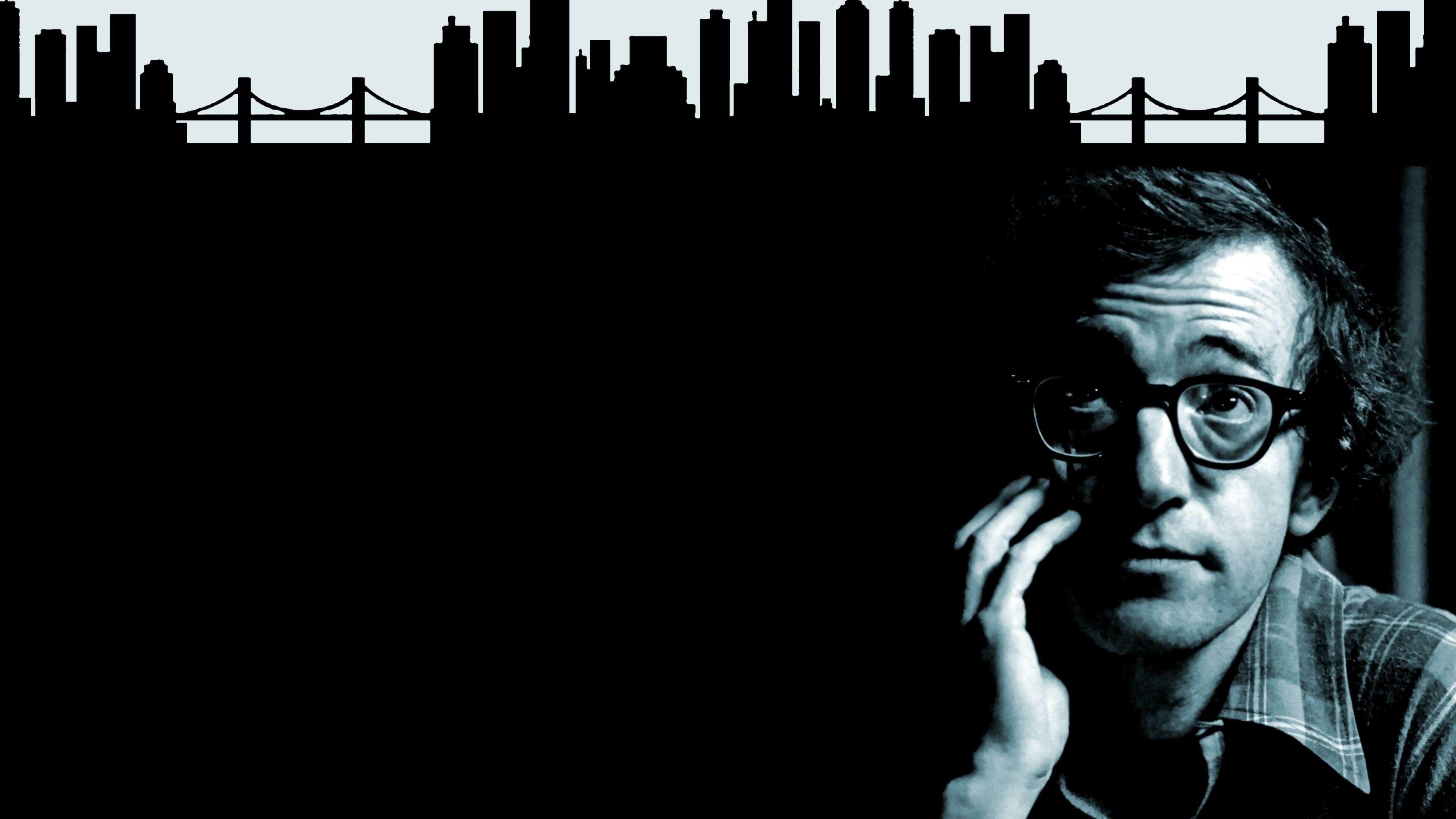
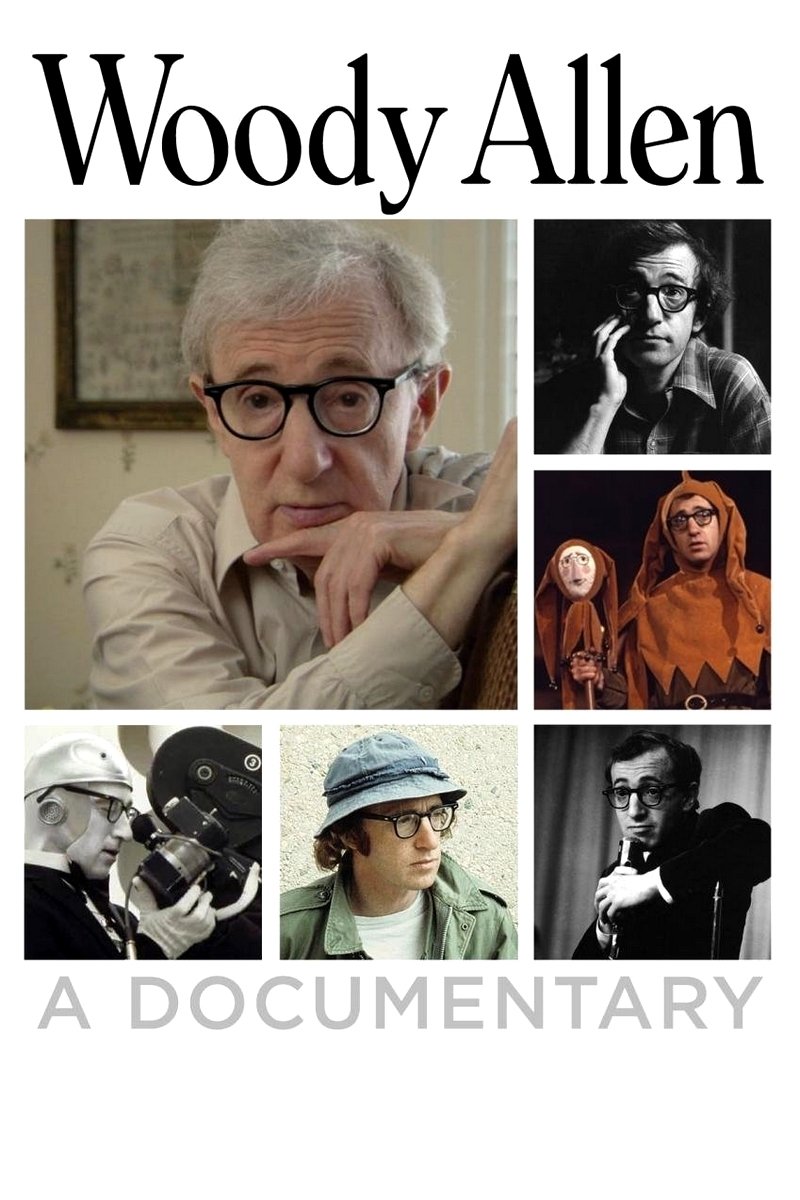
Woody Allen: A Documentary
Documentary
Overview
An intense portrait of the iconic filmmaker, writer, actor, comedian and musician Woody Allen: his life, family and friends; his writing and directing habits, and his relationship with performers.



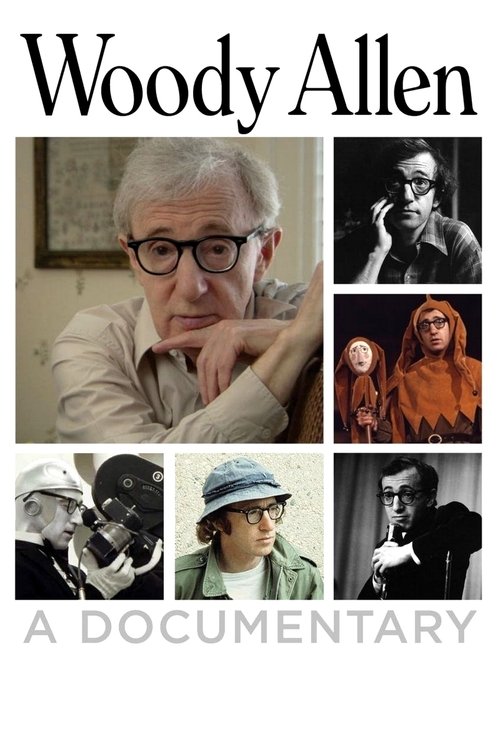
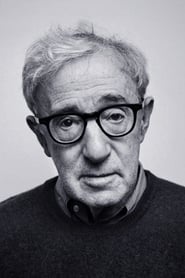
Woody Allen
Woody Allen
Self
Woody Allen
Self

Letty Aronson
Letty Aronson
Self
Letty Aronson
Self

Antonio Banderas
Antonio Banderas
Self
Antonio Banderas
Self
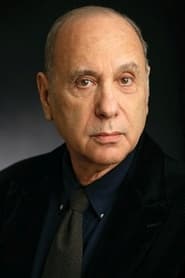
Marshall Brickman
Marshall Brickman
Self
Marshall Brickman
Self
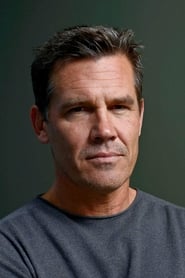
Josh Brolin
Josh Brolin
Self
Josh Brolin
Self
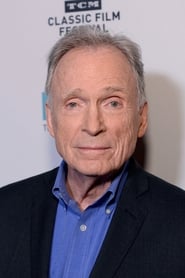
Dick Cavett
Dick Cavett
Self
Dick Cavett
Self

Penélope Cruz
Penélope Cruz
Self
Penélope Cruz
Self
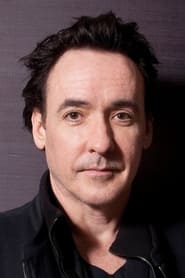
John Cusack
John Cusack
Self
John Cusack
Self

Larry David
Larry David
Self
Larry David
Self
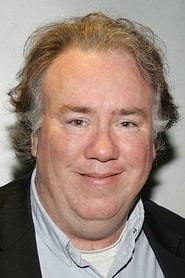
F. X. Feeney
F. X. Feeney
Self
F. X. Feeney
Self
Similar Movies
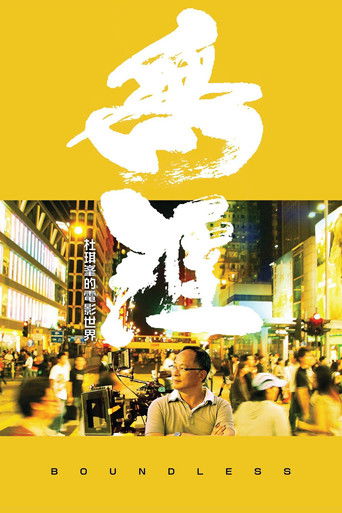
As Hong Kong's foremost filmmaker, Johnnie To himself becomes the protagonist of this painstaking documentary exploring him and his Boundless world of film. A film student from Beijing and avid Johnnie To fan, Ferris Lin boldly approached To with a proposal to document the master director for his graduation thesis. To agreed immediately and Lin's camera closely followed him for over two years, capturing the man behind the movies and the myths. The result is Boundless, a candid profile of one of Hong Kong's greatest directors and a heartfelt love letter to Hong Kong cinema.
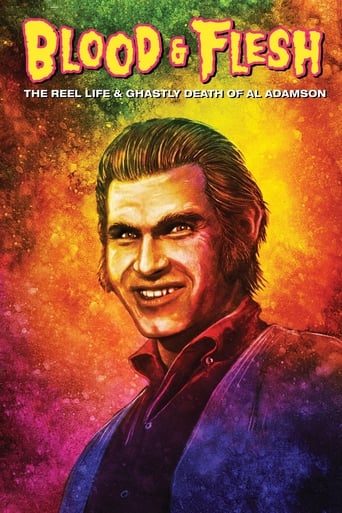
Brought to life through archival material and the reflections of over 40 colleagues, friends and fans, BLOOD & FLESH is much more than the story of a moviemaking life most unusual. It beautifully captures the worlds of outsider filmmaker communities that existed in California in the ’70s, and the weird ways they intersected with Hollywood mainstream and union indies. On Adamson shoots, regular Orson Welles crew and cinematographers like Gary Graver, Vilmos Szigmond and Lazlo Kovaks worked alongside Bud Cardos — and at one point, Charles Manson! Director David Gregory (founder of Severin Films, director of LOST SOUL: THE DOOMED JOURNEY OF RICHARD STANLEY’S ISLAND OF DR. MOREAU) spent years making this film, speaking to everyone down to the cops who investigated Adamson’s murder, vividly encapsulating both a bold life and tragic demise, with alien conspiracies, go-go dancers and Colonel Sanders coming in along the way. If you’ve got even a passing interest in cinema, you want to see this

Glamorously eccentric and enigmatic Theremin master Armen Ra recounts his dynamic journey in this life-spanning documentary that mixes rare concert performances, candid interviews, and archive material with the magical power of music that can alchemize ancient sorrow into timeless beauty.
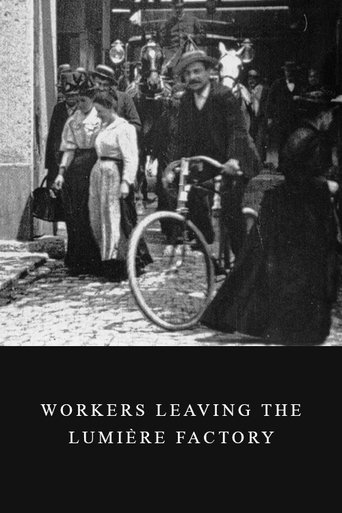
Working men and women leave through the main gate of the Lumière factory in Lyon, France. Filmed on 22 March 1895, it is often referred to as the first real motion picture ever made, although Louis Le Prince's 1888 Roundhay Garden Scene pre-dated it by seven years. Three separate versions of this film exist, which differ from one another in numerous ways. The first version features a carriage drawn by one horse, while in the second version the carriage is drawn by two horses, and there is no carriage at all in the third version. The clothing style is also different between the three versions, demonstrating the different seasons in which each was filmed. This film was made in the 35 mm format with an aspect ratio of 1.33:1, and at a speed of 16 frames per second. At that rate, the 17 meters of film length provided a duration of 46 seconds, holding a total of 800 frames.
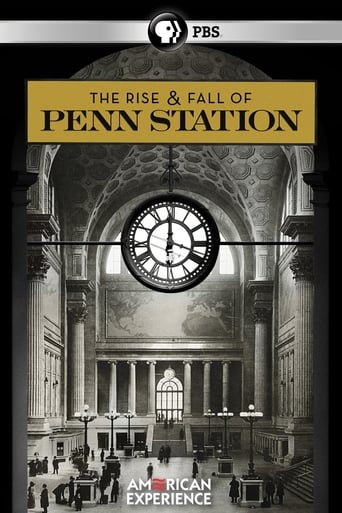
In 1910, the Pennsylvania Railroad successfully accomplished the enormous engineering feat of building tunnels under New York City's Hudson and East Rivers, connecting the railroad to New York and New England, knitting together the entire eastern half of the United States. The tunnels terminated in what was one of the greatest architectural achievements of its time, Pennsylvania Station. Penn Station covered nearly eight acres, extended two city blocks, and housed one of the largest public spaces in the world. But just 53 years after the station’s opening, the monumental building that was supposed to last forever, to herald and represent the American Empire, was slated to be destroyed.
Meryl Streep conducts us to a trip to New York City as presented in many films during the 20th Century, and how its cultural importance and impact are important to viewers. With a comprehensive gathering of clips from films between 1910's and 1990's, the documentary presents the mandatory classic films that presented the city and its multiple cultural variations, situations and the great stories filmed there. Actors and directors also discuss how they view the city in reality and also through the pictures.