



40 Under 40
Documentary
Overview
Some of them move. Others make noise. One weighs in at 700 pounds. Collectively, they represent the future of contemporary craft. Go behind the scenes of the "40 under 40: Craft Futures" exhibition, featuring traditional and non-traditional works of decorative art created by the top 40 American craft artists under the age of 40. Observe this wildly creative and diverse exhibition, assembled for the 40th anniversary of the Smithsonian American Art Museum's Renwick Gallery, and witness the challenges and rewards of bringing together 40 unique artists at the top of their craft.







No cast information.
Similar Movies
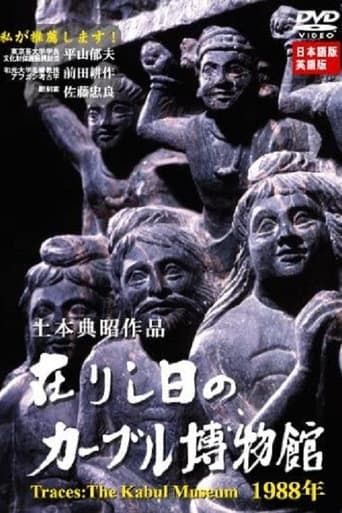
The Kabul National Museum, once known as the "face of Afghanistan," was destroyed in 1993. We filmed the most important cultural treasures of the still-intact museum in 1988: ancient Greco-Roman art and antiquitied of Hellenistic civilization, as well as Buddhist sculpture that was said to have mythology--the art of Gandhara, Bamiyan, and Shotorak among them. After the fall of the Democratic Republic of Afghanistan in 1992, some seventy percent of the contents of the museum was destroyed, stolen, or smuggled overseas to Japan and other countries. The movement to return these items is also touched upon. The footage in this video represents that only film documentation of the Kabul Museum ever made.
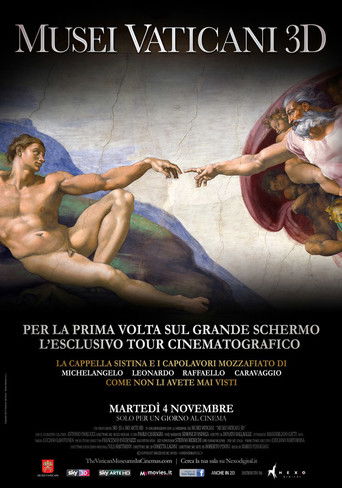
An extraordinary voyage of discovery to see the most impressive collection of works of art built up over two thousand years of history. VATICAN MUSEUMS 3D, a SKY production in collaboration with the Vatican Museums Directorate, for the very first time brings Ultra HD 4K/3D film cameras inside the Vatican Museums and the Sistine Chapel, to show the masterpieces in these collections as they have never been seen before.

Commentator-comic Bill Maher plays devil's advocate with religion as he talks to believers about their faith. Traveling around the world, Maher examines the tenets of Christianity, Judaism and Islam and raises questions about homosexuality, proof of Christ's existence, Jewish Sabbath laws, violent Muslim extremists.
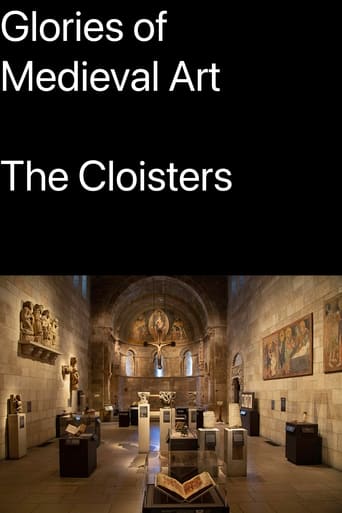
Philippe de Montebello, Director of The Metropolitan Museum of Art from 1977 to 2008, guides viewers through The Cloisters, pointing out Romanesque and Gothic architecture and artwork, beautiful tapestries, and the diverse species in the gardens. He outlines the history of the building and it's many influences and highlights significant works of art in the collection. It was produced in 1989 by The Metropolitan Museum of Art's Office of Film and Television.
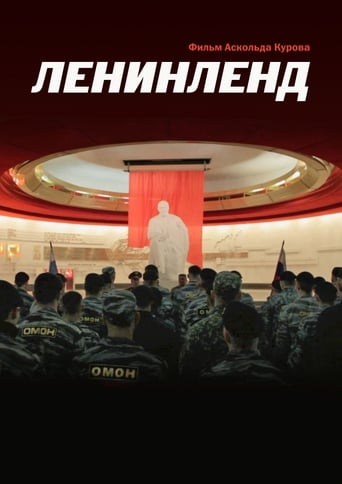
At the peak of Perestroika, in 1987, in the village of Gorki, where Lenin spent his last years, after a long construction, the last and most grandiose museum of the Leader was opened. Soon after the opening, the ideology changed, and the flow of pilgrims gradually dried up. Despite this, the museum still works and the management is looking for ways to attract visitors. Faithful to the Lenin keepers of the museum as they can resist the onset of commercialization. The film tells about the modern life of this amazing museum-reserve and its employees.