


Joanne Martin: A Life in Miniature
Documentary
Overview
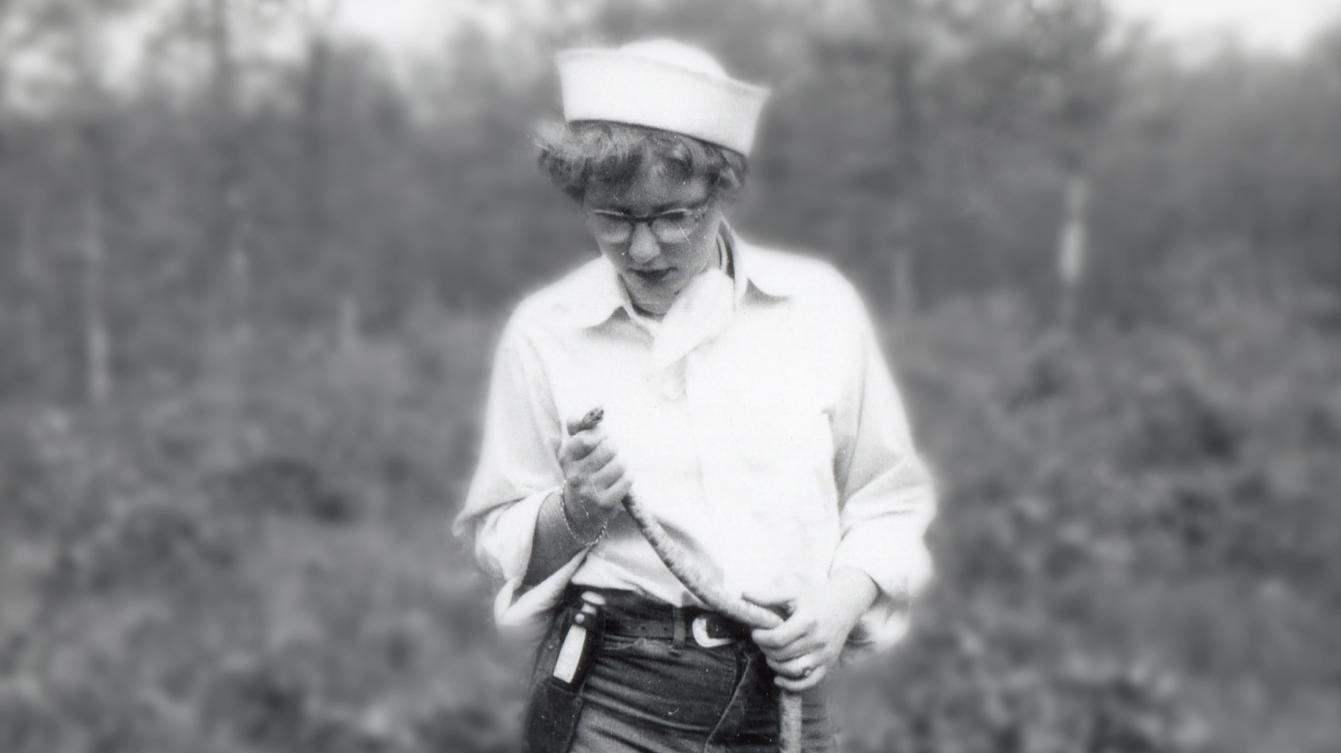
A septuagenarian woman from St. Louis, Missouri has been a miniaturist, businesswoman, museum president, Girl Scout leader, teacher, student, mother, daughter, and most of all, an indomitable human spirit. Life is what you make it.
Top Cast

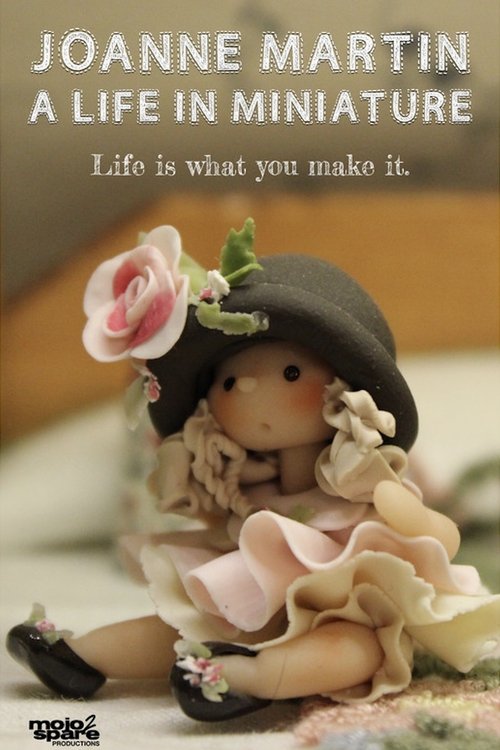
Joanne Martin
Joanne Martin
Self
Joanne Martin
Self
Stephanie Lewis
Stephanie Lewis
Narrator
Stephanie Lewis
Narrator
Jessica Duncan
Jessica Duncan
Self
Jessica Duncan
Self
Fay Stamm-Nichols
Fay Stamm-Nichols
Self
Fay Stamm-Nichols
Self
Joe Zerbolio
Joe Zerbolio
Self
Joe Zerbolio
Self
Fay Zerbolio
Fay Zerbolio
Self
Fay Zerbolio
Self
Darlene Carter
Darlene Carter
Self
Darlene Carter
Self
Similar Movies

Born June 8, 1964, Frank Matter films four "twins", born the same day as him, but in other latitudes. Interweaving their life stories with rich archival material, the filmmaker links these Parallel Lives with elements from his own biography, to compose a fascinating fresco where intimate trajectories are part of the advent of the global village.
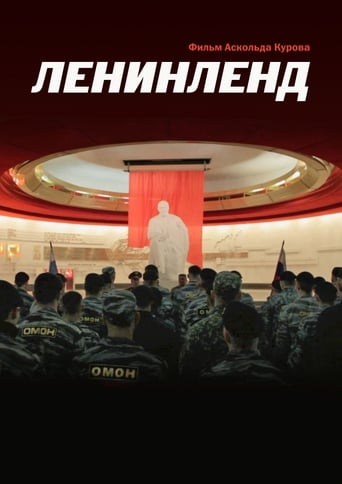
At the peak of Perestroika, in 1987, in the village of Gorki, where Lenin spent his last years, after a long construction, the last and most grandiose museum of the Leader was opened. Soon after the opening, the ideology changed, and the flow of pilgrims gradually dried up. Despite this, the museum still works and the management is looking for ways to attract visitors. Faithful to the Lenin keepers of the museum as they can resist the onset of commercialization. The film tells about the modern life of this amazing museum-reserve and its employees.
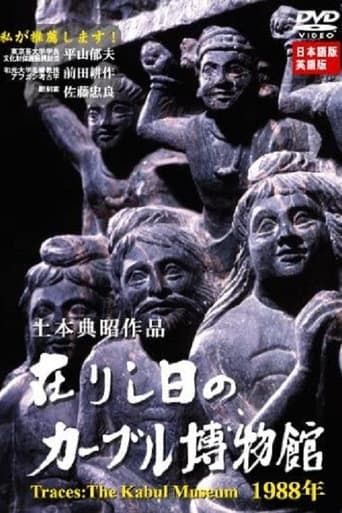
The Kabul National Museum, once known as the "face of Afghanistan," was destroyed in 1993. We filmed the most important cultural treasures of the still-intact museum in 1988: ancient Greco-Roman art and antiquitied of Hellenistic civilization, as well as Buddhist sculpture that was said to have mythology--the art of Gandhara, Bamiyan, and Shotorak among them. After the fall of the Democratic Republic of Afghanistan in 1992, some seventy percent of the contents of the museum was destroyed, stolen, or smuggled overseas to Japan and other countries. The movement to return these items is also touched upon. The footage in this video represents that only film documentation of the Kabul Museum ever made.