

The Making of Prora
Documentary
Overview
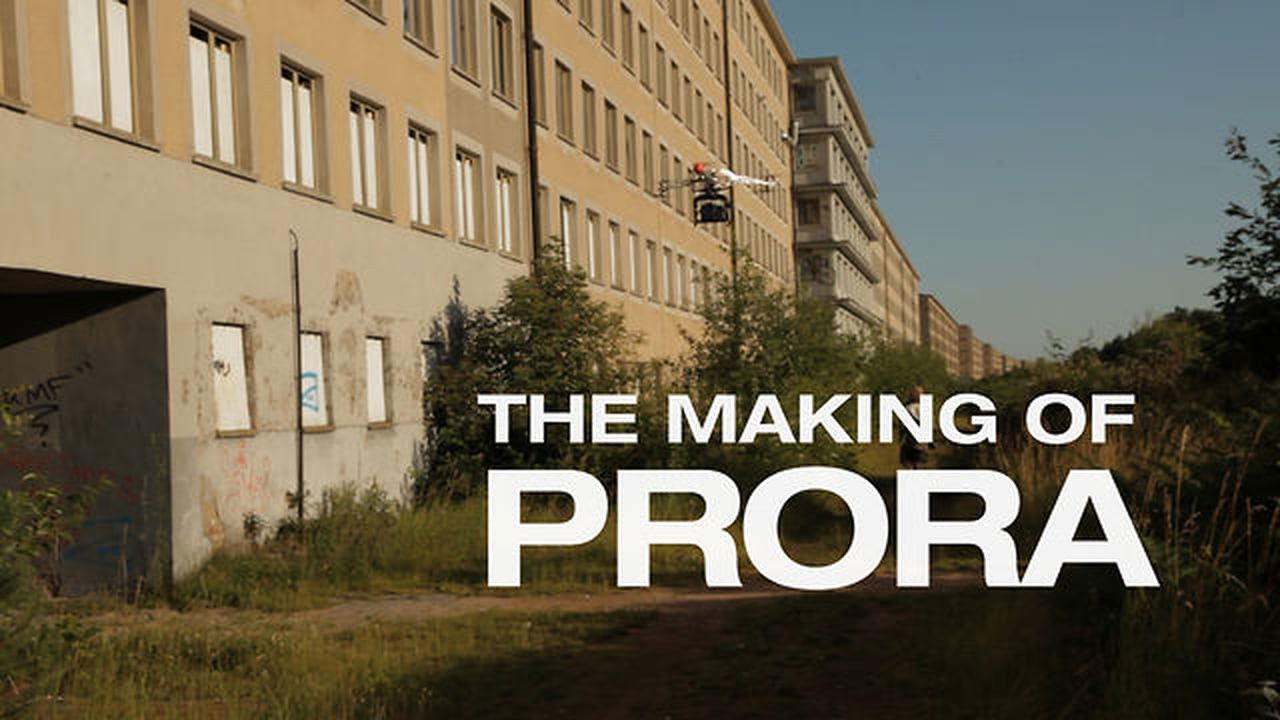
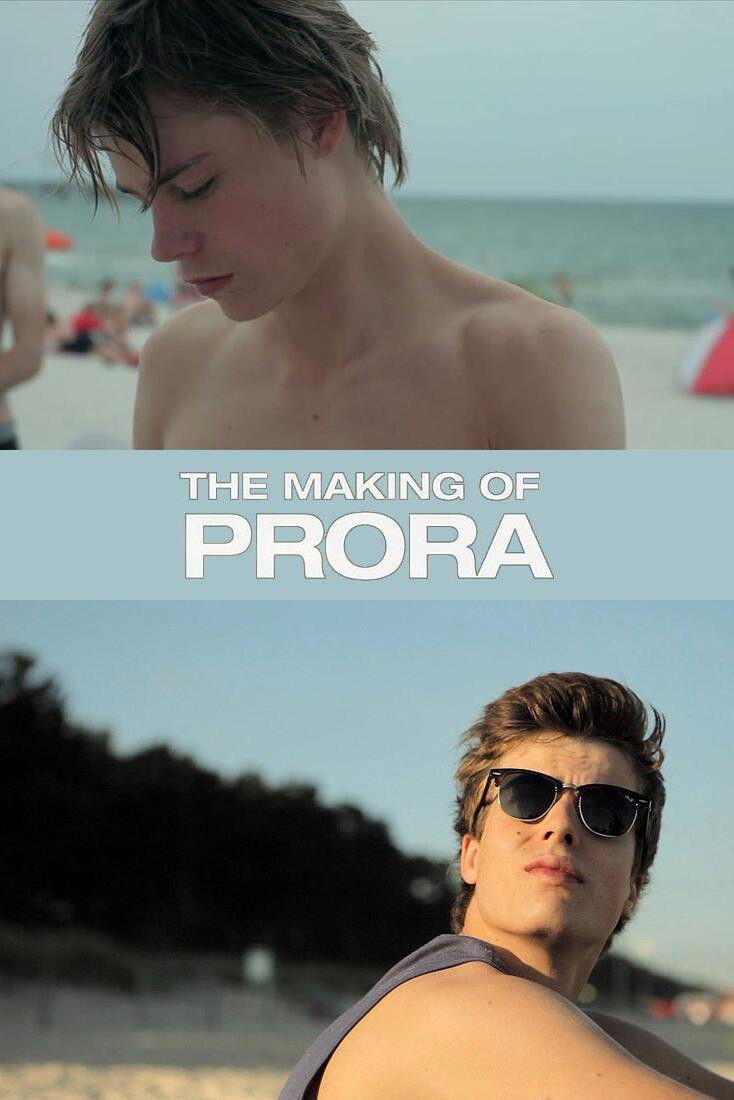
"The Making of Prora" takes you behind the scenes of Stéphane Riethauser's award-winning short film "PRORA" (15 awards and 120 festivals worldwide) in this stunning location on Rügen Island along the Baltic Sea in Germany. Did Tom Gramenz really drop his pants to get the part? Did he turn gay after kissing Swen Gippa in front of the camera? How were the aerial shots made? Follow director Stéphane Riethauser's backstage comments, while DoP Marcus Winterbauer and sound engineer Carlos Ibañez argue about image and sound.
Top Cast




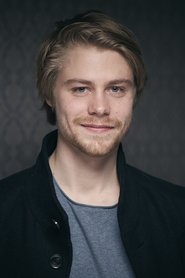
Tom Gramenz
Tom Gramenz
Self
Tom Gramenz
Self
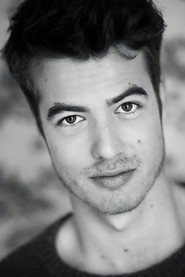
Swen Gippa
Swen Gippa
Self
Swen Gippa
Self
Similar Movies

The film tells a story of Kosynka, a pregnant mare, and her owner, a battered old man. Kosynka leads the “horse walker,” designed to train young horse to walk steadily and at a pace. Set to a soundtrack of Bach and Russian folk music, this film is another example of a parable-like narrative, which became more popular in Soviet documentary in the early 1970s.
24 hours at the Berlin traffic accident standby service. The frequency of accidents on the streets of the capital of the German Democratic Republic (GDR) becomes apparent, including inappropriate and increased speed, pedestrian errors, failure to give way and driving under the influence of alcohol. Major Busse, the head of the Berlin Traffic Accident Investigation Unit, raises the question of whether the GDR has developed its own kind of driving. The camera provides interesting insights into the carelessness and aggressiveness of road users, which can lead to serious injuries and deaths
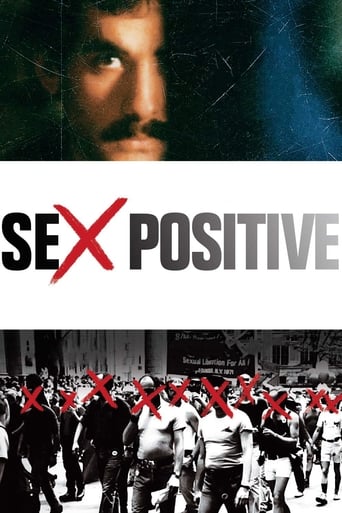
Sex Positive explores the life of Richard Berkowitz, a revolutionary gay S&M hustler turned AIDS activist in the 1980s, whose incomparable contribution to the invention of safe sex has never been aptly credited. Mr. Berkowitz emerged from the epicenter of the epidemic demanding a solution to the problem before the outside world would take heed. Now destitute and alone, Mr. Berkowitz tells his story to a world who never wanted to listen.
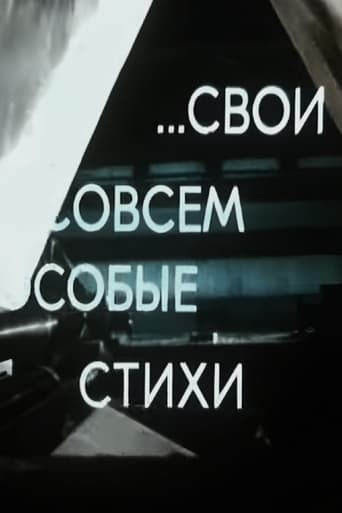
This poetic core in youngsters is also touched in Stanukina's less known Your very personal poetry (Свои, совсем особые стихи, 1982), a wonderful film about a poetry class. It is here that one recalls Kogan's admiration of Lyalya's emotional documentary skills. And it is here that one recalls Kosakovsky's depiction of Lyalya as a person of extraordinarily prosperous feelings, sensitive and energetic, childish and female, shrill and quiet. The young poets are marvellously sneaky, respectfully adoring and creatively playing with - maybe even deconstructing - "Aleksandr Sergeevich", Mr. Pushkin, Russia's exclusive trade mark of high culture and literature.