

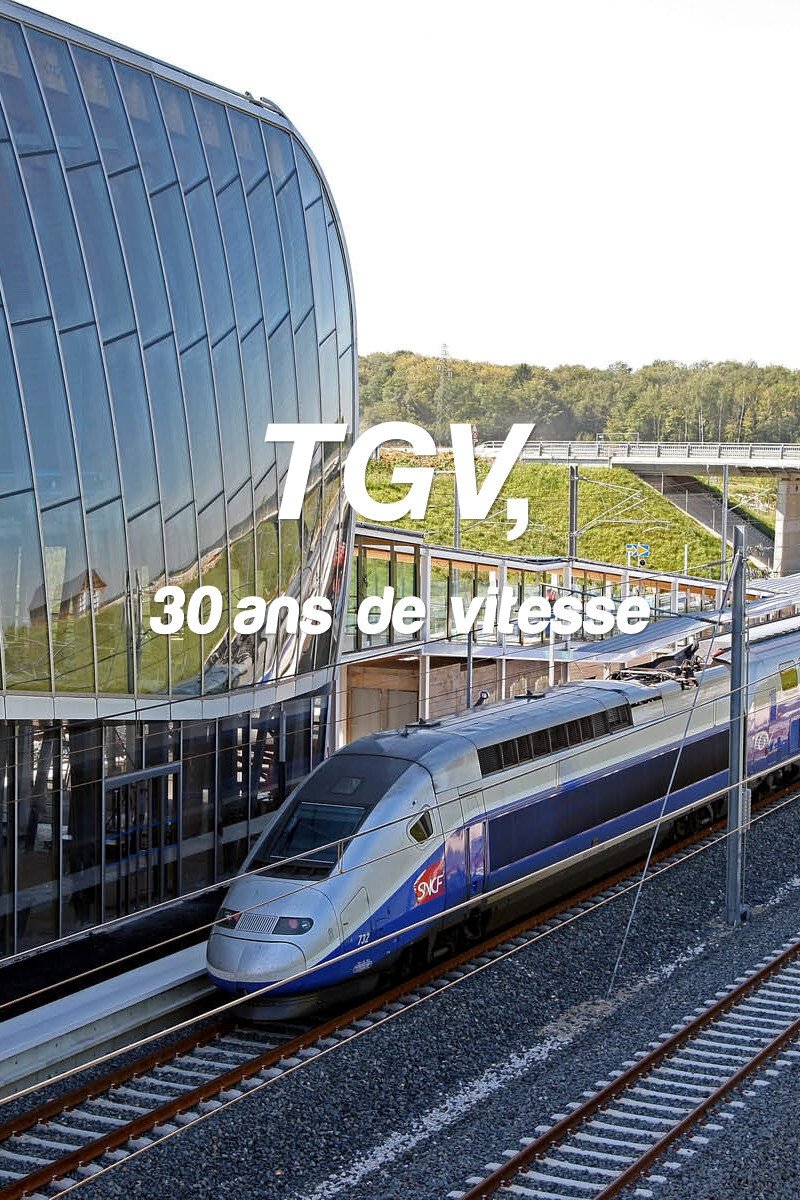
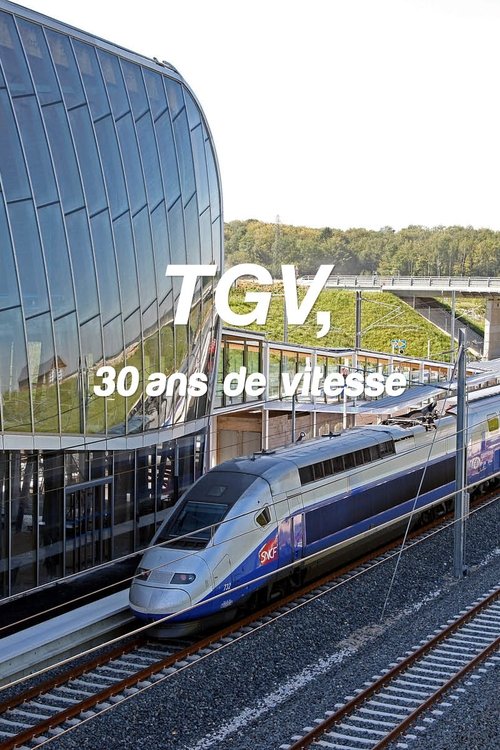
TGV, 30 ans de vitesse
Documentary · TV Movie





Florence Cicolella
Florence Cicolella
Herself
Florence Cicolella
Herself
Lodoïs Gravel
Lodoïs Gravel
Himself
Lodoïs Gravel
Himself
Dominique Siedlaczek
Dominique Siedlaczek
Himself
Dominique Siedlaczek
Himself
Jacques Cooper
Jacques Cooper
Himself
Jacques Cooper
Himself
François Lacoste
François Lacoste
Himself
François Lacoste
Himself
Pascal Bérion
Pascal Bérion
Himself
Pascal Bérion
Himself
Philippe Cézard
Philippe Cézard
Himself
Philippe Cézard
Himself
Philippe Mirville
Philippe Mirville
Himself
Philippe Mirville
Himself
Alain Cuccaroni
Alain Cuccaroni
Himself
Alain Cuccaroni
Himself
Marc Fressoz
Marc Fressoz
Himself
Marc Fressoz
Himself
Similar Movies
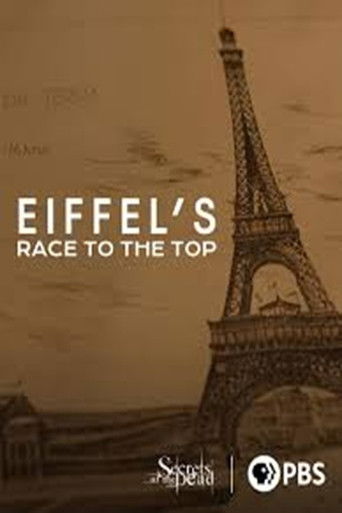
Behind the iconic Eiffel Tower lies the story of an incredible challenge to erect a thousand-foot tower that went far beyond a design competition, and marked a major turning point in engineering history. It was the beginning of radical transformation where iron was pitted against stone, engineering against architecture, and modern design against ancients. Press campaigns, lobbying, public conferences, denigration of opposing projects, bragging about big names - all participants engaged in a fierce battle without concession. Using 3D recreations, official sources (reports, letters, drawings...) and intimate archives obtained from their descendants, this film will bring to life this vertical race through a fresh and visual way to mark the centenary of Eiffel death.
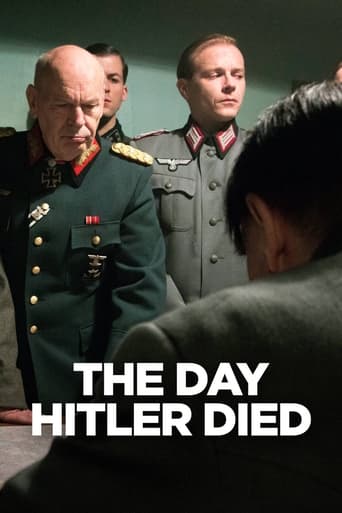
The story of Hitler’s final hours told by people who were there. This special features exclusive forgotten interviews, believed lost for 65 years, with members of Hitler’s inner circle who were trapped with him in his bunker as the Russians fought to take Berlin. These unique interviews from figures such as the leader of the Hitler Youth Artur Axmann and Hitler’s secretary Traudl Junge, have never before been seen outside Germany. Using rarely seen archive footage and dramatic reconstruction, this special tells the story of Adolf Hitler’s final days in his Berlin bunker.
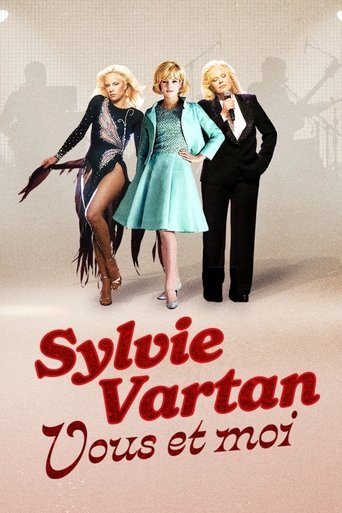
Sylvie Vartan has had an extraordinary life: a Bulgarian child forced into exile, who became the icon of a youth in the midst of revolution in France. After a career spanning 64 years, with nearly 50 albums recorded and 40 million records sold, she has decided to bow out. During her farewell tour, the singer chose to open up to Augustin Trapenard.
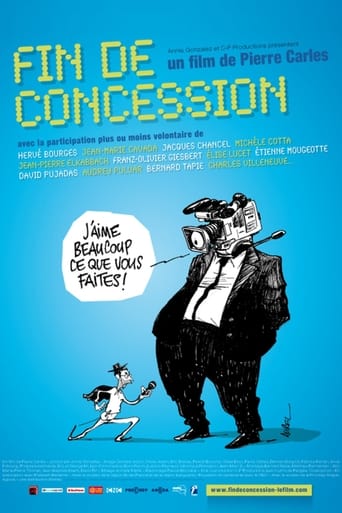
Pierre Carles questions the privatization of the leading French televisions channel : is it not scandalous that the TFI-Bouygues concession has been automatically renewed since 1987 ? Taking up the anti-television fight he initiated with "Pas vu Pas pris", his first film, he confronts the people responsible for the news who have always avoided tackling this taboo subject. But the investigation does not go as planned : the old dinosaurs and young guardians now how to handle this media critic. To find his "fighting spirit" again, Carles calls to arms his friends and changes methods : Henceforth, no more concessions !
Nimrod Workman won a National Heritage Award for his original songs, but in the film that shares his name, he often breaks into impromptu performances of traditional ballads, dances, and delivers monologues that are just as superlative. Born in 1895, Workman provided for a family of thirteen by working in the coal mines of West Virginia, and he reminisces about his experience with union organizing in the 1920s and 30s with anecdotes that match many of the experiences of miners of later years, too. To Fit My Own Category is an extended visit at his home as Workman and his family prepare meals, build an addition to the house, dig for yellow root, swap jokes with the neighbors, and enjoy each other’s company.
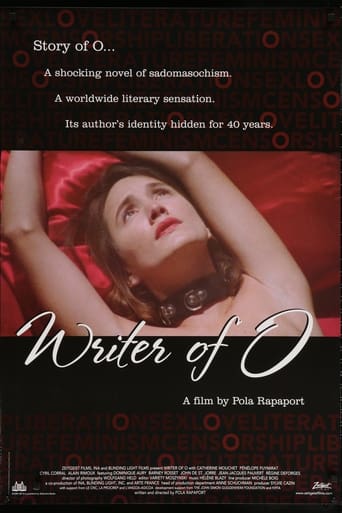
Published in Paris in 1954, Story of O was an immediate bestseller and literary scandal: an elegantly written S&M fantasy that had all the hallmarks of being an autobiographical account by the pseudonymous Pauline Réage. In 1994 Dominique Aury, a mild-mannered, dowdy editor for France’s prestigious Gallimard press, revealed her authorship. Pola Rapaport explores Aury's inspiration, recreating the world of '50s literary Paris and setting it against dramatic sequences that bring the infamous book to life. The author as well as various French intellectuals expound on the thorny relationship between sexuality and power, submission and freedom, liberation and non-being.