

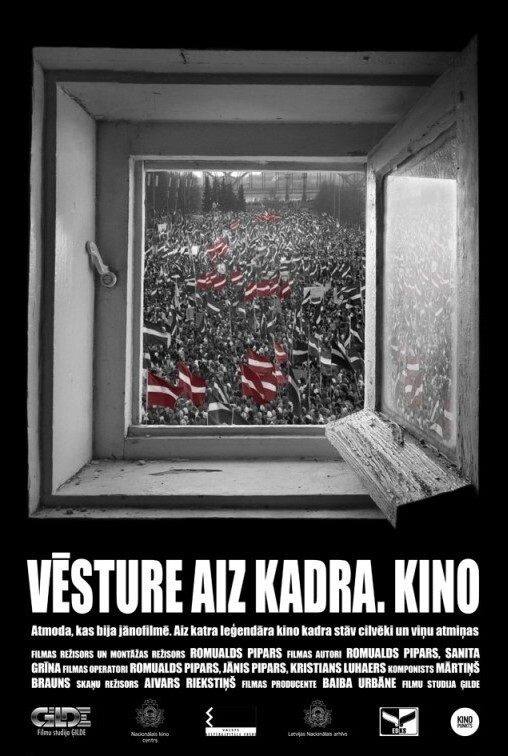
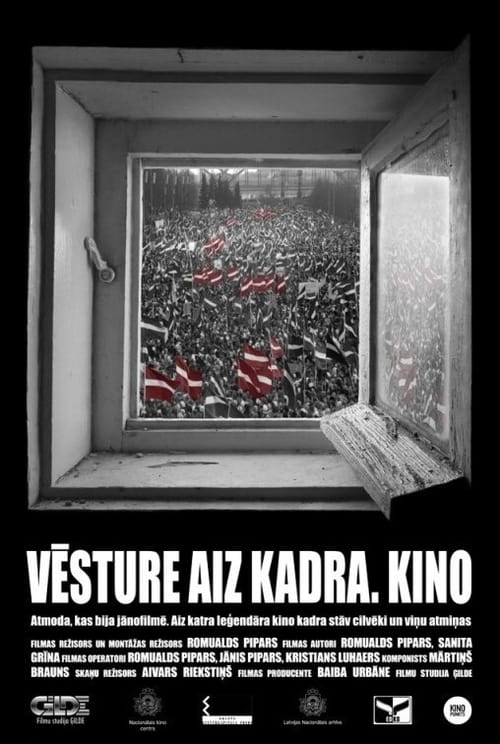
History Behind The Screen. 35 mm
Documentary · History
Overview
Some of the most iconic images in Latvian visual history were taken 30 years ago, when the so-called Singing Revolution took place. This documentary that includes well-known and previously unseen 35 mm footage, is about those who took these shots, told in their own voices, their own emotions and memories.


No cast information.
Similar Movies
Located on the shores of the Baltic Sea, between Poland and Lithuania, Kaliningrad is a piece of Russia in the heart of Europe. A curious territory, isolated from Moscow after the fall of the USSR, today transformed into a military fortress facing NATO. In Kaliningrad, headquarters of the Russian Baltic fleet, there are 30,000 soldiers, hypersonic missiles and nuclear capability.
DocuDrama about 13th century pre-Christian culture. Danish spy Lars enters the tribal lands of the Baltic peoples, where he takes part in religious rites, cruel forays, gets high during the Summer Solstice, becomes slave to the Couronians and even fights the crusaders. Who were the last pagans of Europe and how did they live? It is a unique trip into the textures of the past and into the unknown lands of the Baltic Tribes.
After the end of the Cold War, the Baltic was viewed almost as a quiet backwater. A nice place to visit to see charming Hanseatic cities and sandy beaches. But since the war in Ukraine the Baltic sea, bordered by eight European Union countries as well as Russia, has become a hot spot of world geopolitics. And tensions are high.

Special care has been taken by International Historic Films to assemble this monumental documentary, which tells the story of what is left for a people after its land has been ravaged by war. Situated between the powerful antagonists Germany and the Soviet Union, the Baltic nations of Latvia, Lithuania, and Estonia bore witness to some of the most ferocious land battles of the Second World War.
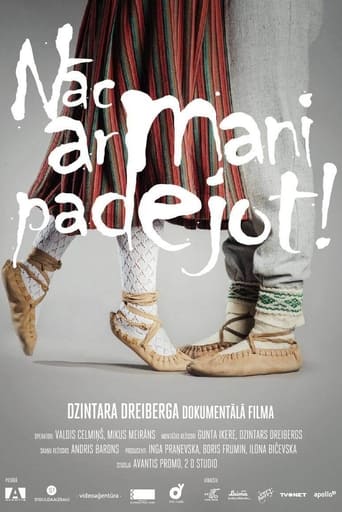
A high-school folk dancing group heads to Latvian School Youth Song and Dance Festival, an event that takes place every five years and is part of the Latvian national identity – this is the culmination point of five years of work. Away from their homes and parents, they spend seven days and nights together. They are 18 and have just graduated, and this seems to be the last idle summer of their lives. Dreams mix with boredom, silly jokes with serious conversations. Taking care of one another creates affection and grows into a collective power. There are thousands like them at the festival. Every individual sensation turns into a common celebration that becomes more than just a tradition.
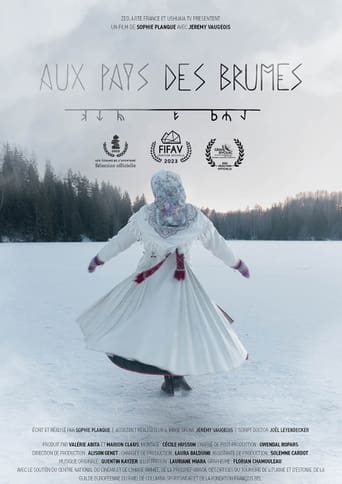
Does Europe also have its own animistic heritage, like Pachamama in South America and Shinto in Japan? If so, which one? In the Misty Lands, i.e. Estonia, Latvia and Lithuania, a sacred fire is lit on the winter solstice to celebrate the return of the sun and ancient beliefs that have been forgotten in the rest of Europe for thousands of years. Sophie Planque and Jérémy Vaugeois decided to take a journey on bicycles to experience the Baltic winter and meet the people who keep their ancestral culture alive. A unique heritage that reinforces a deep relationship with nature.

Between 1930 and 1945, Eastern Europe experienced mass violence on an unprecedented scale. Hitler and Stalin exploited the vast region for their respective expansionist plans. It is estimated that around 14 million civilians were murdered—primarily Jews, Poles, Balts, Belarusians, and Ukrainians.

In Soviet-occupied Estonia, a boy is caught between a broken family, the suffocating grip of state power, and forces far older than the empire itself. As propaganda and betrayal close in, he discovers that the greatest danger emerges where political oppression and ancient myth converge - and that his own bloodline may hold the key to both survival and ruin.