

In the Steps of Forgotten Peoples
Documentary
Overview
Unustatud rahvad (1970 - 1989) by Estonian composer Veljo Tormas is based upon six Balto-Finnic peoples traditions. Collegium Musicale choir brought the songs to different sides of Baltic coasts to liven current citizens connections for fleeting past and strengthen their identity.







No cast information.
Similar Movies
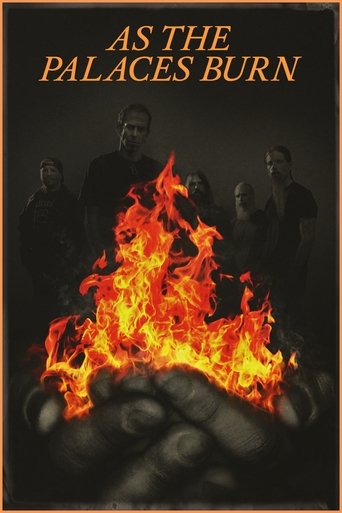
As the Palaces Burn is a feature-length documentary that originally sought to follow Lamb of God and their fans throughout the world, to demonstrate how music ties us together when we can’t find any other common bond. However, during the filming process in 2012, the story abruptly took a dramatic turn when lead singer Randy Blythe was arrested on charges of manslaughter and blamed for the death of one of their young fans in the Czech Republic. What followed was a heart-wrenching courtroom drama that left fans, friends, and curious onlookers around the world on the edge of their seats.

Appalachian Journey is one of five films made from footage that Alan Lomax shot between 1978 and 1985 for the PBS American Patchwork series (1991). It offers songs, dances, stories, and religious rituals of the Southern Appalachians. Preachers, singers, fiddlers, banjo pickers, moonshiners, cloggers, and square dancers recount the good times and the hard times of rural life there. Performers include Tommy Jarrell, Janette Carter, Ray and Stanley Hicks, Frank Proffitt Jr., Sheila Kay Adams, Nimrod Workman and Phyllis Boyens, Raymond Fairchild, and others, with a bonus of a few African-Americans from the North Carolina Piedmont.
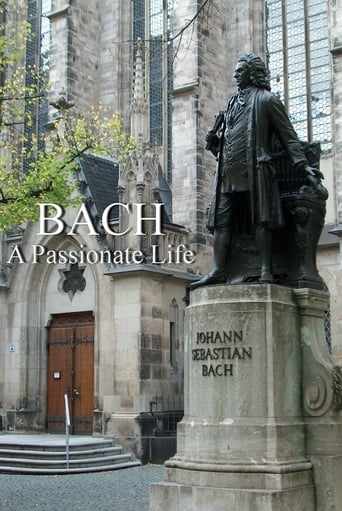
John Eliot Gardiner goes in search of Bach the man and the musician. The famous portrait of Bach portrays a grumpy 62-year-old man in a wig and formal coat, yet his greatest works were composed 20 years earlier in an almost unrivalled blaze of creativity. We reveal a complex and passionate artist; a warm and convivial family man at the same time a rebellious spirit struggling with the hierarchies of state and church who wrote timeless music that is today known world-wide. Gardiner undertakes a 'Bach Tour' of Germany, and sifts the relatively few clues we have - some newly-found. Most of all, he uses the music to reveal the real Bach.
In the panorama of Kurdish music, Koma Berxwedan (Group Resistance) is one of the most interesting, innovative, experimental groups. To a deep love for music research the group has always associated a strong political commitment. Some of its members have joined the PKK guerrillas in the mountains of Kurdistan. Three of them died in combat. Some have been forced to live in exile and others continued to challenge the Turkish authorities by carrying out their work in Kurdistan.

The Road Forward is an electrifying musical documentary that connects a pivotal moment in Canada’s civil rights history—the beginnings of Indian Nationalism in the 1930s—with the powerful momentum of First Nations activism today. Interviews and musical sequences describe how a tiny movement, the Native Brotherhood and Sisterhood, grew to become a successful voice for change across the country. Visually stunning, The Road Forward seamlessly connects past and present through superbly produced story-songs with soaring vocals, blues, rock, and traditional beats.
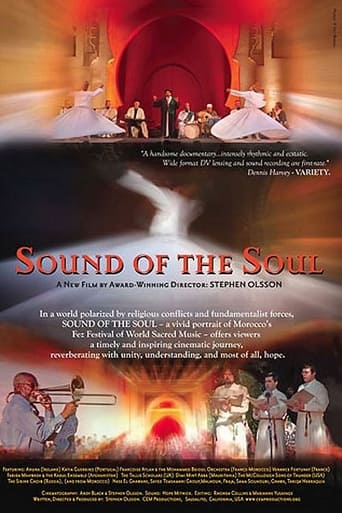
SOUND OF THE SOUL is a compelling portrait of an Arab country where Muslims, Christians, and Jews have lived together in relative peace for centuries. Beautifully photographed during the Fez Festival of World Sacred Music, the film presents unforgettable performances from groups from Morocco, Ireland, Russia, Afghanistan, Mauritania, the USA, Portugal and France, which carry viewers into what the film's Moroccan sufi guide calls "the hearing of the heart": the essential Oneness at the core of all religions and faiths.
Located on the shores of the Baltic Sea, between Poland and Lithuania, Kaliningrad is a piece of Russia in the heart of Europe. A curious territory, isolated from Moscow after the fall of the USSR, today transformed into a military fortress facing NATO. In Kaliningrad, headquarters of the Russian Baltic fleet, there are 30,000 soldiers, hypersonic missiles and nuclear capability.