

Employment contract
Documentary
Overview
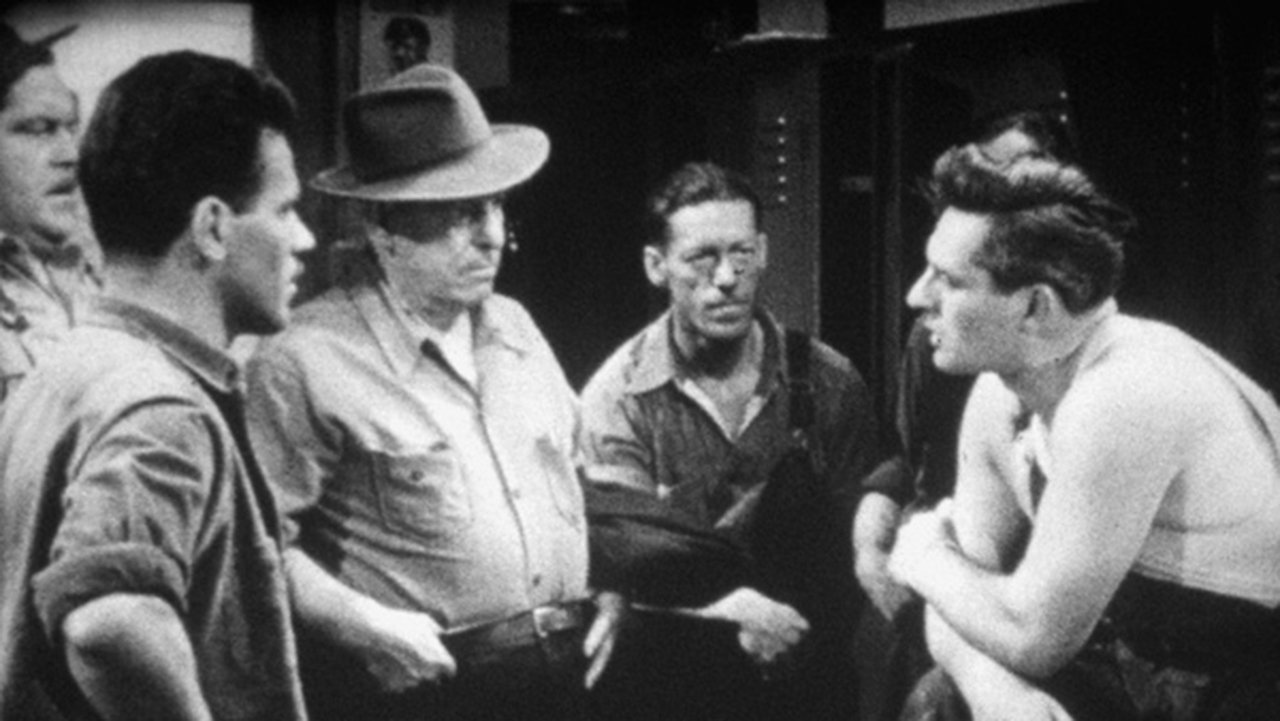
The story of union branch no. 100. The dismissal of a worker in a factory shows his colleagues the instability of their situation. From the discussion that followed this event germinated the idea of a union. A national union is consulted, which appoints a representative to explain the advantages and operation of a workers' union. Branch No. 100 is created and immediately becomes a trading agency; subsequently, it obtains better working conditions for the workers. The spirit that presides over all the meetings demonstrates the democratic strength of a union.
Top Cast


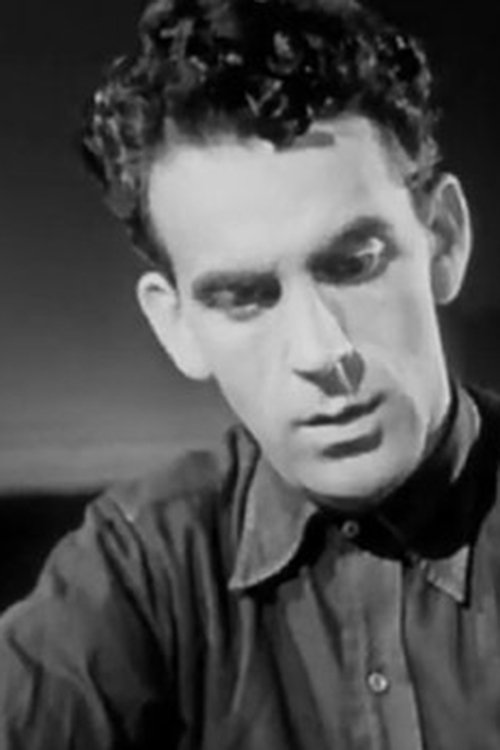
Jean-Paul Nolet
Jean-Paul Nolet
Narrateur
Jean-Paul Nolet
Narrateur
Similar Movies
Chapter 15 of the series 18 decades of life in Mexico in the twentieth century. Images of the cultural, social and political life in Mexico from 1970 to 1974. During the presidential term of Luis Echeverria Alvarez fantasies of prosperous and modern country it dissolves; Mexico live in political crisis. It is a time of omnipotence, barbarism, and violence intervention: the world seeks new ways. In Mexico, it held the World Cup, unionism is strengthened and inflation responds to the continuing economic imbalances.
Dominique, Suzanne, and Annette: three women who participated in the adventure of the Medvedkine groups (Besançon, Sochaux, 1967-1974). In those same years, the lives of our grandmothers and mothers experienced decisive changes: they worked outside the home and revolutionized customs. A group of Besançon students are investigating those events and questioning their own family memory.
"Well, I believe in anarchy! And I believe it will come true one day." That's what "May the Rebel," a union activist, anti-militarist, and anarchist, always ready to denounce oppression and defend victims, affirms at 85. Born in Brittany, she earned her living at age 10 delivering butter. In Paris, at 20, she became involved with the Anarchist Union. Sébastien Faure became her mentor. She used a grenade to trigger the Sacco-Vanzetti affair. A union delegate in Moscow in 1922, she sang "Hymn to Anarchy" before Trotsky. Children during the Spanish Civil War, Jews during the Second World War, conscientious objectors alongside Louis Lecoin during the Algerian War, and later, through her newspaper Le Réfractaire, the Larzac, Plogoff, and Creys-Malville protests—all these were battlegrounds for May Picqueray. To the very end, she remained true to her commitment to defending peace and individual liberties.
Narrated by Ethan Hawke, Welcome Nowhere tells the true story of a community of Roma people (commonly known as Gypsies) who live in old train boxcars in Sofia, Bulgaria after being forcibly evicted from their homes. Without bathrooms for more than 200 people, they struggle to survive, waiting for help from the government that never seems to come.
In 1967 Canadian filmmaker Hugh O'Connor came with a crew to eastern Kentucky to make a film showing people from all walks of life in the United States. They finished the day by filming coal miners and their families in rental houses. As the filmmakers were leaving, Hobart Ison, the owner of the property, drove up and fired three shots, killing Hugh O'Connor. Elizabeth Barrett, from Kentucky herself, explores why this happened by trying to understand the people and culture of eastern Kentucky.
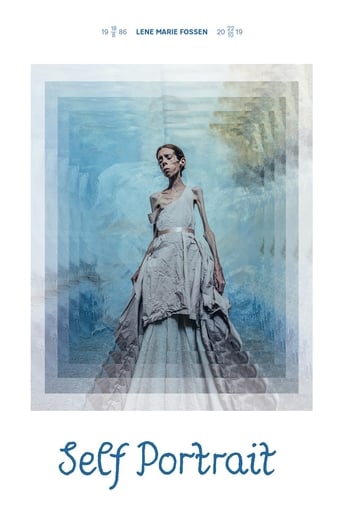
The documentary is a portrait of an artist and a portrait of a deadly disease. Lene Marie Fossen was a gifted photographer who suffered from severe anorexia. Self Portrait is a film about the power of art and survival, but it also raises important questions about what treatment one who suffers from severe anorexia needs.