


Let It Be (1970-1974)
Documentary
Overview
Chapter 15 of the series 18 decades of life in Mexico in the twentieth century. Images of the cultural, social and political life in Mexico from 1970 to 1974. During the presidential term of Luis Echeverria Alvarez fantasies of prosperous and modern country it dissolves; Mexico live in political crisis. It is a time of omnipotence, barbarism, and violence intervention: the world seeks new ways. In Mexico, it held the World Cup, unionism is strengthened and inflation responds to the continuing economic imbalances.
Top Cast







Juan Stack
Juan Stack
Narrator
Juan Stack
Narrator
Similar Movies
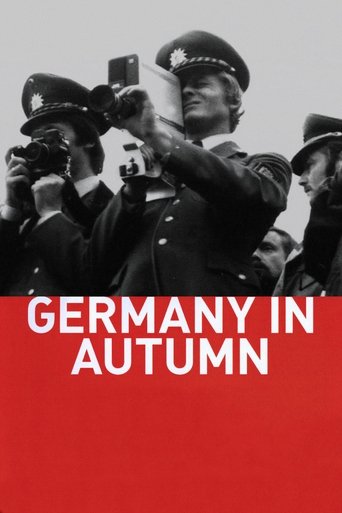
Nine fictitious documentaries and films reflect the mood of late 1970s Germany, particularly the two-month period in 1977 when a businessman was kidnapped by the RAF (Red Army Faction). The kidnap had been made to orchestrate the release of the original leaders of the RAF, aka the Baader-Meinhof.

Rosa is a Mexican woman who, at the age of 17, migrated illegally to Austin, Texas. Some years later, she was jailed under suspicion of murder and then taken to trial. This film demonstrates how the judicial process, the verdict, the separation from her family, and the helplessness of being imprisoned in a foreign country make Rosa’s story an example of the hard life of Mexican migrants in the United States.
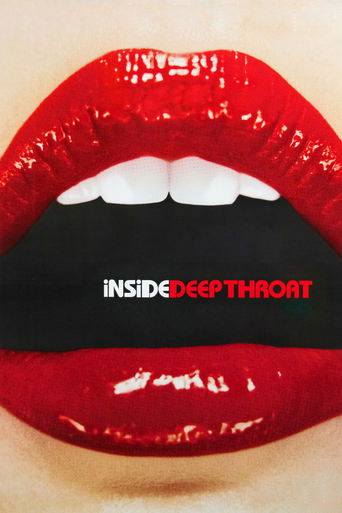
In 1972, a seemingly typical shoestring budget pornographic film was made in a Florida hotel: "Deep Throat," starring Linda Lovelace. This film would surpass the wildest expectation of everyone involved to become one of the most successful independent films of all time. It caught the public imagination which met the spirit of the times, even as the self-appointed guardians of public morality struggled to suppress it, and created, for a brief moment, a possible future where sexuality in film had a bold artistic potential. This film covers the story of the making of this controversial film, its stunning success, its hysterical opposition along with its dark side of mob influence and allegations of the on set mistreatment of the film's star.
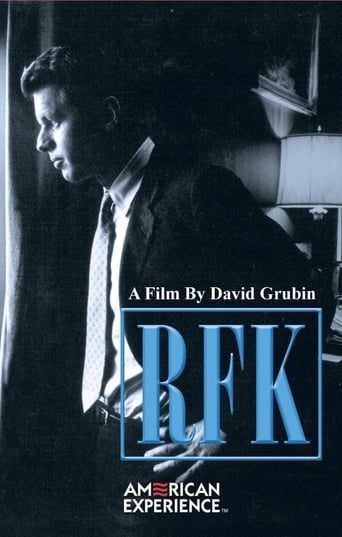
David Grubin's probing and perceptive biography reassesses the remarkable and tragic life of Bobby Kennedy, whose early life was spent in the shadow of his elder brother John. After JFK's assassination, he discovered his own identity in the forefront of American politics before his career was also tragically curtailed by an assassin's bullet.

Based on her book of the same name, Naomi Wolf presents controversial evidence that America has begun a frightening descent into dictatorship and fascism. American democracy, as we know it, is under attack. By examining the chilling parallels between the current state of our nation and the ascent of dictators and fascism in other once-free societies, Wolf urges viewers to open their eyes to the horrors that lie ahead. From the increased use of paramilitary groups to the construction of secret prisons and the targeted suspension of the rule of law, the warning signs are all there for people to wake up and finally take notice.

Rafael - the minister of sports of an unrecognized country, and Natasha - a Russian opera singer, try living together in Abkhazia - a war-torn future-less country. Observing their difficult relations, we see life in a place marked by war and nationalism. The film portrays trapped people dreaming of peace, normality and happiness.

Through rare and precious footages and gigs with great artists such as Gilberto Gil, Gal Costa, Hermeto Pascoal, Djavan, Nara Leao, Luiz Gonzaga, among many others, "Dominguinhos" reveals this genius of Brazilian music, creator of a deeply authentic, universal and contemporary work. The film values the sensory cinematic experience, a journey driven by Dominguinhos his own.