

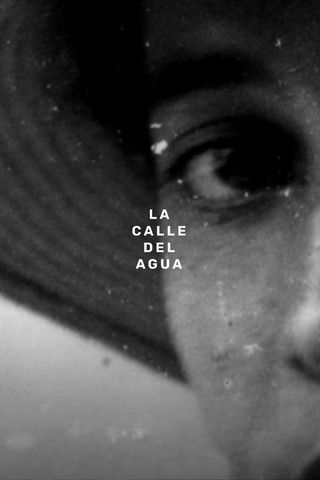
La calle del Agua
Documentary · History
Overview
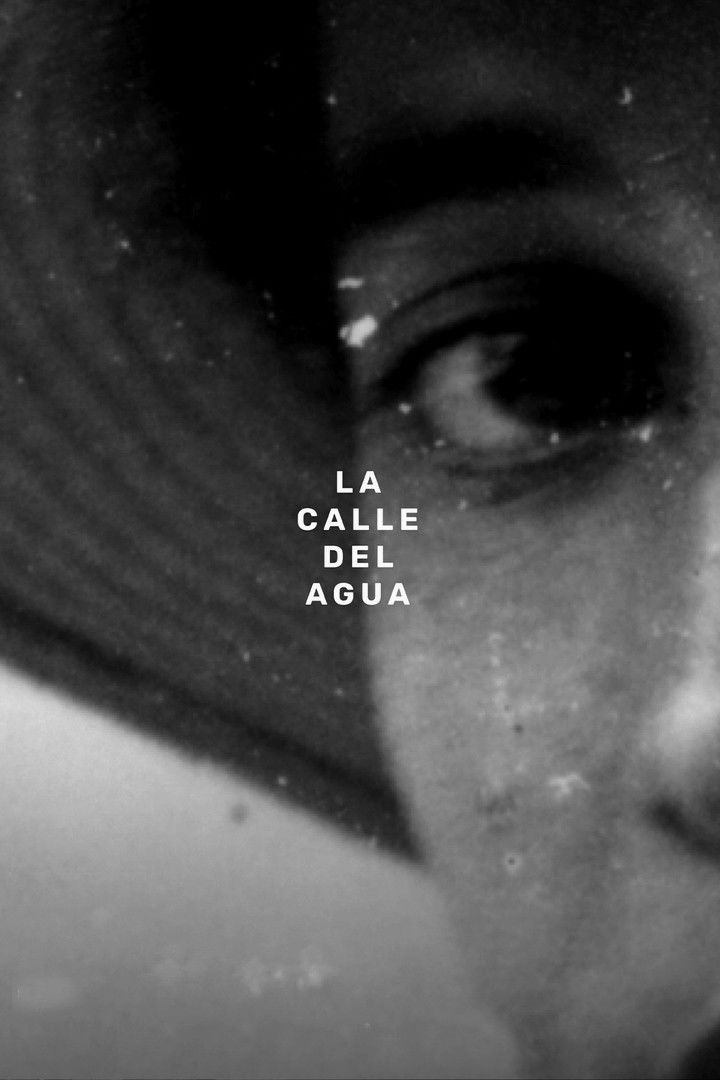
Benjamina Miyar Díaz (1888-1961) led an unusual life in her house on calle del Agua in Corao, Asturias, at the foot of the Picos de Europa mountain range in northern Spain: she was a photographer and watchmaker for more than forty years, but she also fought in her own humble and heroic way against General Franco's dictatorship.




Celia Viada Caso
Celia Viada Caso
Self - Narrator (voice)
Celia Viada Caso
Self - Narrator (voice)
Pepa Vega Álvarez
Pepa Vega Álvarez
Self
Pepa Vega Álvarez
Self
Ismael Miyar Florez
Ismael Miyar Florez
Self
Ismael Miyar Florez
Self
María Vega Álvarez
María Vega Álvarez
Self
María Vega Álvarez
Self
Emilio Sierra Álvarez
Emilio Sierra Álvarez
Self
Emilio Sierra Álvarez
Self
Similar Movies
Study of the relationship between observer and landscape in the contemplative experience. The view building the landscape from the necessary distance. The delimitation of its borders against the total continuum of nature. The observer immersed in the path of his gaze across the landscape. Resting the gaze in the details that make the globallity. The view selecting the space included as a landscape.
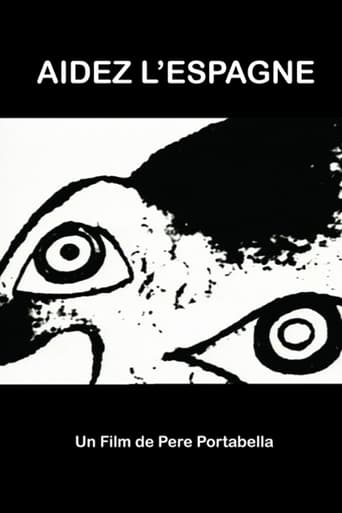
The Colegio de Arquitectos de Catalunya commissioned Pere Portabella to make this film for the Joan Miró retrospective exhibit in 1969. There were heated discussions on whether it would be prudent to screen the film during the exhibit. Portabella took the following stance: "either both films are screened or they don't screen any" and, finally, both Miro l'Altre and Aidez l'Espagne were shown. The film was made by combining newsreels and film material from the Spanish Civil War with prints by Miró from the series "Barcelona" (1939-1944). The film ends with the painter's "pochoir" known as Aidez l'Espagne.

Glamorously eccentric and enigmatic Theremin master Armen Ra recounts his dynamic journey in this life-spanning documentary that mixes rare concert performances, candid interviews, and archive material with the magical power of music that can alchemize ancient sorrow into timeless beauty.
The project studies the relationship between observer and landscape in the contemplative experience. A sensory approach to landscape from introspective perception. We start with the external factors of space and time in the environment to go deeper in the temporal and spatial consciousness experiences.
New York Times reporter Sydney Schanberg is on assignment covering the Cambodian Civil War, with the help of local interpreter Dith Pran and American photojournalist Al Rockoff. When the U.S. Army pulls out amid escalating violence, Schanberg makes exit arrangements for Pran and his family. Pran, however, tells Schanberg he intends to stay in Cambodia to help cover the unfolding story — a decision he may regret as the Khmer Rouge rebels move in.
This film is about of the life of the young patriotic martyr Yu Gwan-sun, who fought for the liberation of her country during the Independence Movement in 1919. As the Independence Movement becomes more and more intense among Korean students, the Japanese authorities order schools closed temporarily. Yu Gwan-sun (Do Geum-bong) persuades her neighbors to join the national movement, and continues her aggressive struggle against Japanese rule. An independent campaign at Aunae, a market site, is successful with the passionate participation of many people. She is arrested by the Japanese police for leading the campaign and has to endure horrible tortures. But she never gives up her fight, encouraging her cell mates to participate in the movement. She is finally taken to an underground room by the Japanese police and murdered.
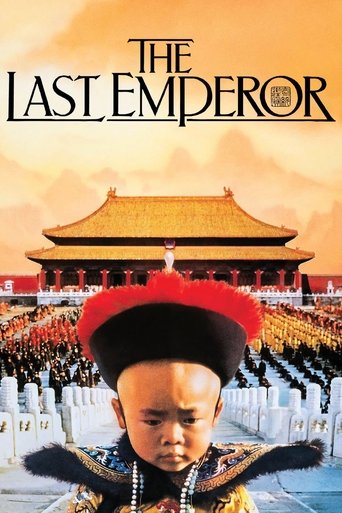
A dramatic history of Pu Yi, the last of the Emperors of China, from his lofty birth and brief reign in the Forbidden City, the object of worship by half a billion people; through his abdication, his decline and dissolute lifestyle; his exploitation by the invading Japanese, and finally to his obscure existence as just another peasant worker in the People's Republic.