

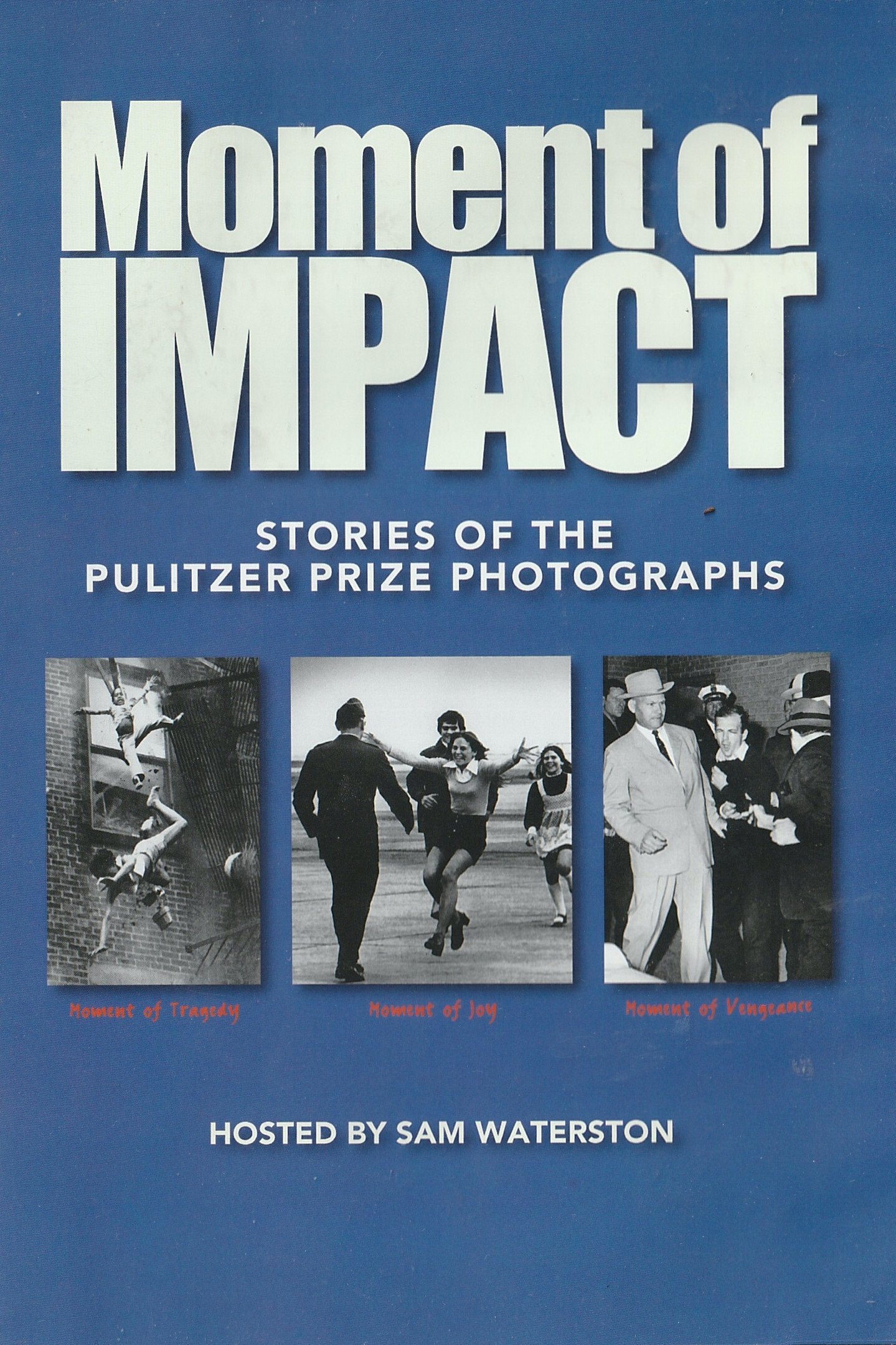
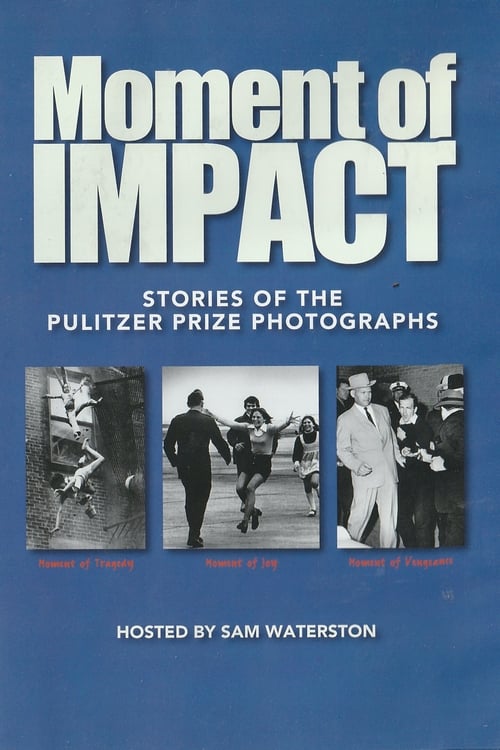
Moment of Impact: Stories of the Pulitzer Prize Photographs
Documentary
Overview
Moment of Impact: Stories of the Pulitzer Prize Photographs, hosted by Sam Waterston, tells the compelling stories behind some of the world's most memorable photographs. Returning to the scene of the action, each photographer describes, in a gripping first-hand account, how they took their prize-winning photographs. The moments they captured forged history and changed lives - including the photographers own. The stories of these unforgettable photographs' own. The stories of these unforgettable photographs - many of them shown here for the first time - are as compelling and long lasting as the images themselves.


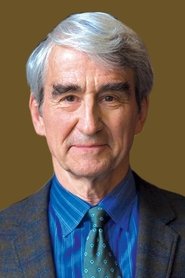
Sam Waterston
Sam Waterston
Self / Host / Narrator
Sam Waterston
Self / Host / Narrator
Similar Movies
In 1967 Canadian filmmaker Hugh O'Connor came with a crew to eastern Kentucky to make a film showing people from all walks of life in the United States. They finished the day by filming coal miners and their families in rental houses. As the filmmakers were leaving, Hobart Ison, the owner of the property, drove up and fired three shots, killing Hugh O'Connor. Elizabeth Barrett, from Kentucky herself, explores why this happened by trying to understand the people and culture of eastern Kentucky.
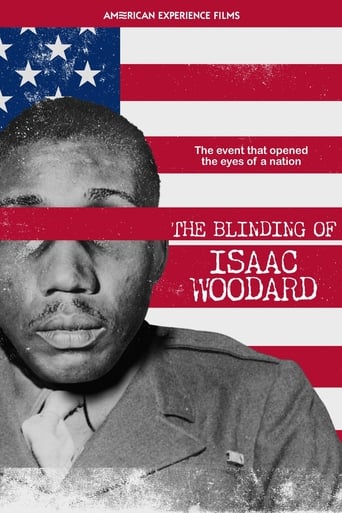
In 1946, Isaac Woodard, a Black army sergeant on his way home to South Carolina after serving in WWII, was pulled from a bus for arguing with the driver. The local chief of police savagely beat him, leaving him unconscious and permanently blind. The shocking incident made national headlines and, when the police chief was acquitted by an all-white jury, the blatant injustice would change the course of American history. Based on Richard Gergel’s book Unexampled Courage, the film details how the crime led to the racial awakening of President Harry Truman, who desegregated federal offices and the military two years later. The event also ultimately set the stage for the Supreme Court’s landmark 1954 Brown v. Board of Education decision, which finally outlawed segregation in public schools and jumpstarted the modern civil rights movement.
There are about 600 murders each year in the UK. So, what drives people to kill? Are some people born to kill or are they driven to it by circumstances? Michael Mosley delves into the BBC archives to chart scientists' progress as they probed the mind of the murderer to try to understand why people kill, and to find out whether by understanding murder we can prevent it.
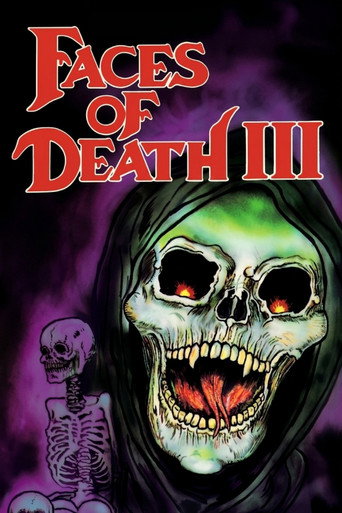
Gory real-life footage of blood and guts on the German Autobahn, drug smugglers getting blown away, a parachutist landing in a crocodile pit, torture and murder in El Salvador, a PCP addict getting stoned, a videotaped rape/murder, a car thief getting ripped apart by two junkyard dogs, and much more.
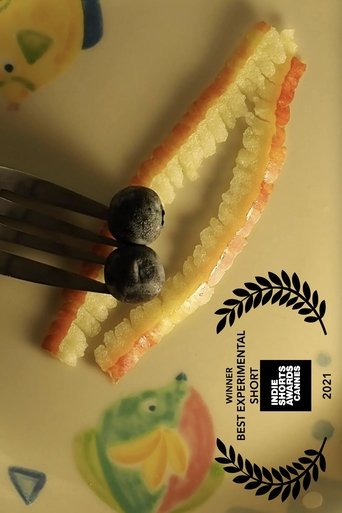
An eighteen-step scavenger hunt for people loneliest in their own homes. This animated video collage serves as a survival guide and an ode to the imaginations that protect us. Statement from Daniel Lobb, the Director: Our performance is first and foremost a resource for people who are isolated in unsupportive homes. It presents self-preservation strategies to those who rely on media and imagination to withstand in potentially abusive environments. The composition is based on the writer, Lexie Bean, growing up as queer, trans, and a survivor of incest in Michigan and Ohio, which we’ve all processed through our respective art forms. These iterations of inspiration and reformation ultimately led us to a video collage and sound-score that seek to buoy the main text: an ode to imagination, a scavenger hunt, a survival guide. Our hope is to bolster the viewer’s capacity for imaginative resilience.

As filmmaker Maria Carolina Telles comes to terms with the death of her father, a man who regretted never making it to the frontlines of World War II, she focuses her lens on the life of another man who had his own unique experience as a civilian in the midst of combat: award-winning war photographer André Liohn.
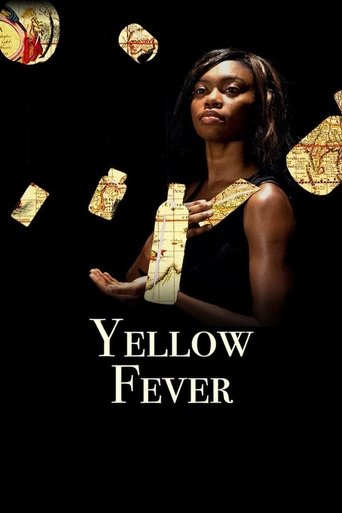
What does beauty look like? In this award-winning short, Kenyan filmmaker Ng’endo Mukii combines animation, performance, and experimental techniques to create a visually arresting and psychologically penetrating exploration of the insidious impact of Western beauty standards and media-created ideals on African women’s perceptions of themselves. From hair-straightening to skin-lightening, YELLOW FEVER unpacks the cultural and historical forces that have long made Black women uncomfortable, literally, in their own skin.