

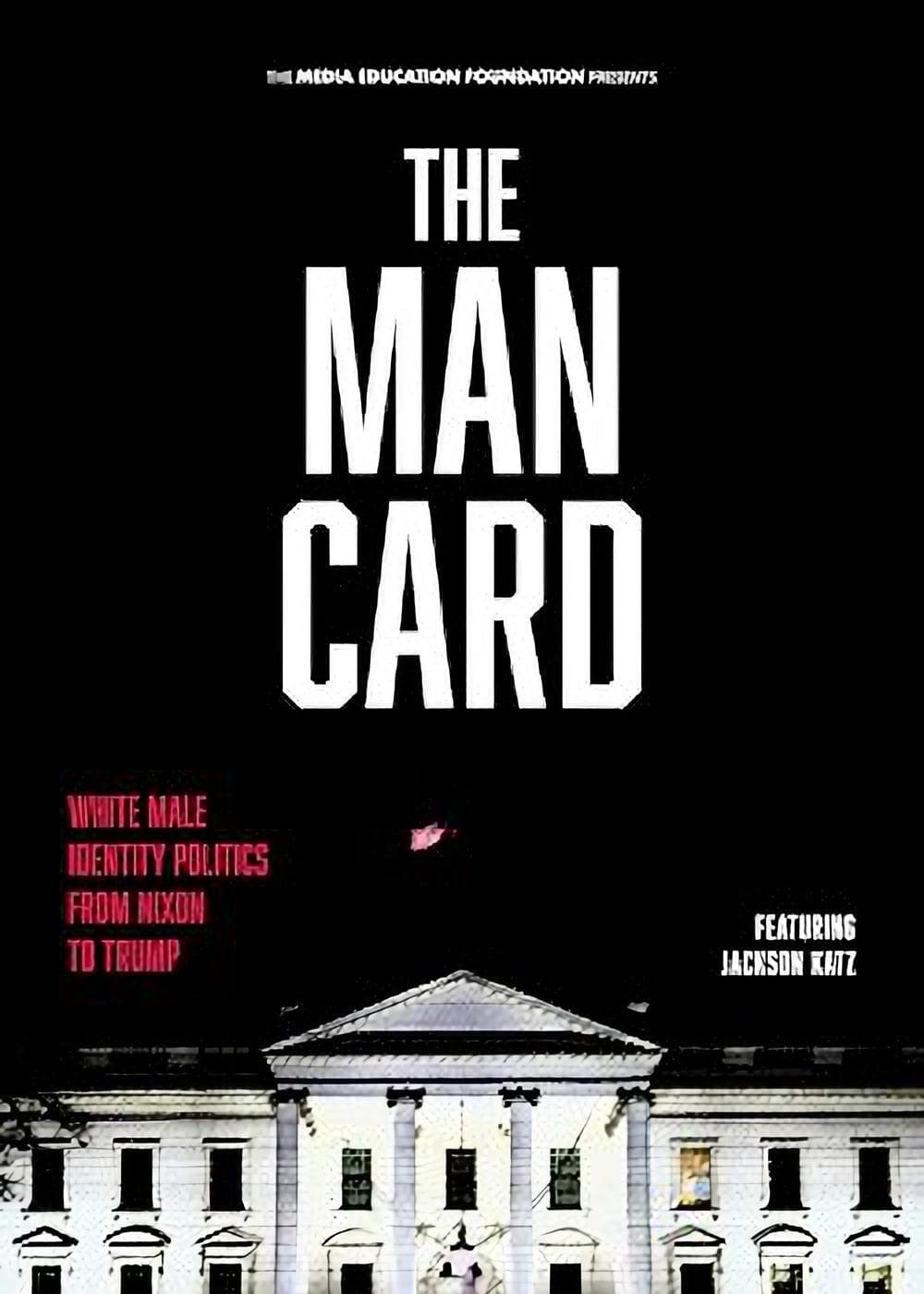
The Man Card
Documentary · History
Overview
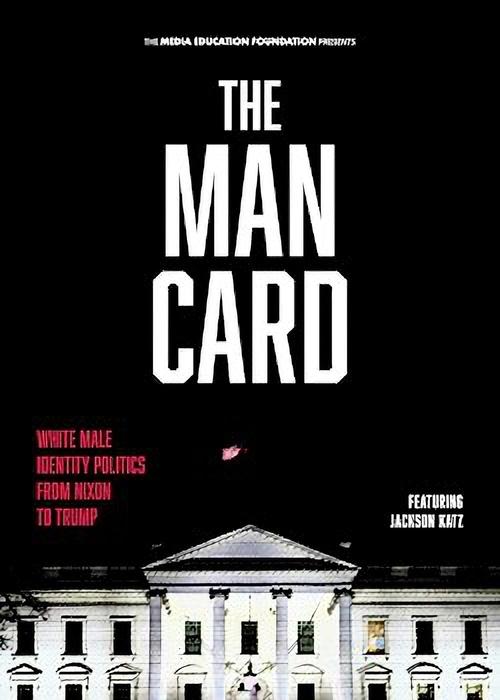
For years, right-wing politicians and pundits have repeatedly criticized the left for playing “the race card” and “the woman card.” This new film turns the tables and takes dead aim at the right’s own longstanding – but rarely discussed – deployment of white-male identity politics in American presidential elections. Ranging from Richard Nixon’s tough-talking, law-and-order campaign in 1968 to Donald Trump’s hyper-macho revival of the same fear-based appeals in 2020, "The Man Card" shows how the right has mobilized dominant ideas about manhood and enacted a deliberate strategy to frame Democrats and liberals as soft, brand the Republican Party as the party of “real men,” and position conservatives as defenders of white male power and authority in the face of transformative demographic change and ongoing struggles for racial, gender, and sexual equality.




No cast information.
Similar Movies
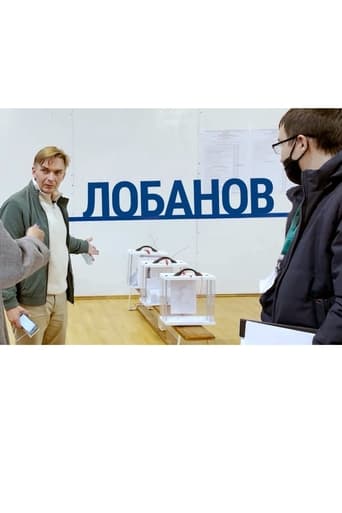
The 2021 Duma elections made Mikhail Lobanov a recognizable Moscow politician. The 37-year-old mathematician, lecturer at the Moscow State University, has long been involved in social activities: ten years ago he opposed political agitation at the university, participated in the creation of an independent association of university employees to protect their rights, and was almost fired for his activism. In 2021 elections, Lobanov ran for the Communist Party (he is not a member of the party, calls himself a democratic socialist) and waged a powerful grassroots campaign against the pro-government candidate, TV presenter Yevgeny Popov.

« Emmanuelle » was released 50 years ago. Its main character, played by the young Sylvia Kristel, delve freely into her sexuality, without taboo. This bold movie became one of the great success of french cinema in the 70s, and Emmanuelle became the face of sexual liberation. Through the gaze of a woman, the character is back on the screen in 2024. This new Emmanuelle, written by Audrey Diwan, go in quest of a lost pleasure.
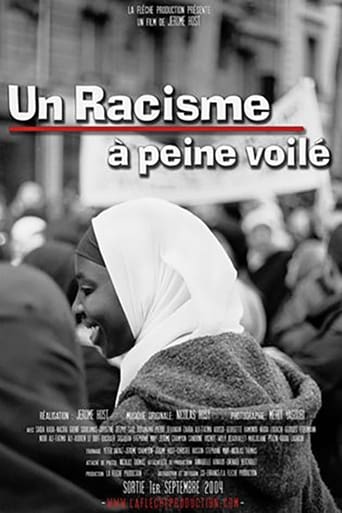
October 2003, Alma and Lila Levy are excluded from the Lycée Henri Wallon in Aubervilliers solely because they were wearing a headscarf. What follows is a deafening political and media debate, justifying in most cases the exclusion of girls wearing head-scarves to school. February 2004, a law was eventually passed by the National Assembly. "A thinly veiled racism" is about this controversy since the affair of Creil in 1989 (where two schoolgirls were excluded for the same reasons) and attempts to "reveal" that maybe what hides behind is the desire to exclude these girls. This film gives them a voice as well as others - teachers, community activists, feminists, researchers - gathered around the group "A School for You-All" fighting for the repeal of this law they consider sexist and racist ... This movie was censured in Septembre 2004 in France.
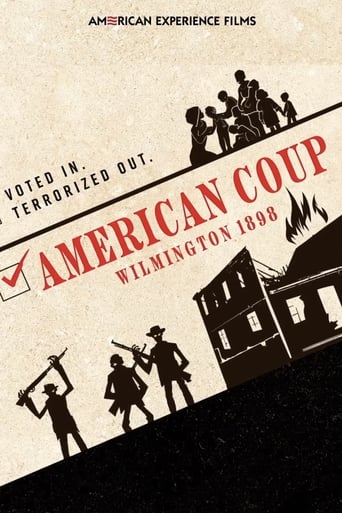
The little-known story of a deadly race massacre and carefully orchestrated insurrection in North Carolina’s largest city in 1898 — the only coup d’état in the history of the US. Stoking fears of 'Negro Rule', self-described white supremacists used intimidation and violence to destroy Black political and economic power and overthrow Wilmington’s democratically-elected, multi-racial government. Black residents were murdered and thousands were banished. The story of what happened in Wilmington was suppressed for decades until descendants and scholars began to investigate. Today, many of those descendants — Black and white — seek the truth about this intentionally buried history.

Festival panafricain d'Alger is a documentary by William Klein of the music and dance festival held 40 years ago in the streets and in venues all across Algiers. Klein follows the preparations, the rehearsals, the concerts… He blends images of interviews made to writers and advocates of the freedom movements with stock images, thus allowing him to touch on such matters as colonialism, neocolonialism, colonial exploitation, the struggles and battles of the revolutionary movements for Independence.
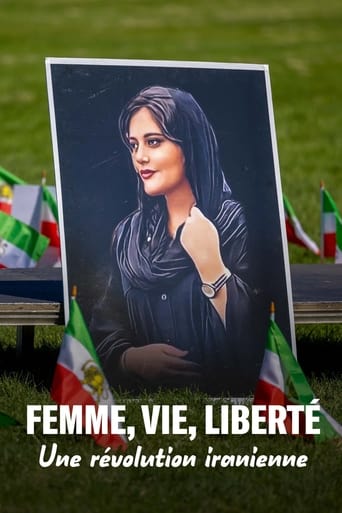
On September 16, 2022, in Teheran, the murder by police of the young Mahsa Amini, arrested for "wearing a headscarf contrary to the law", sparked off an unprecedented insurrection. Within hours, a spontaneous movement formed around the rallying cry: "Woman, life, freedom". For the first time, women, joined by men and students, took the initiative and removed their veils, the hated symbol of the Islamic Republic. The Iranian population, from all regions and social categories, rose up in protest. Social networks went wild. The diaspora (between 5–8 million Iranians) took up the cause, and the whole world discovered the scale of this mobilization: could the theocratic regime be overthrown this time?