


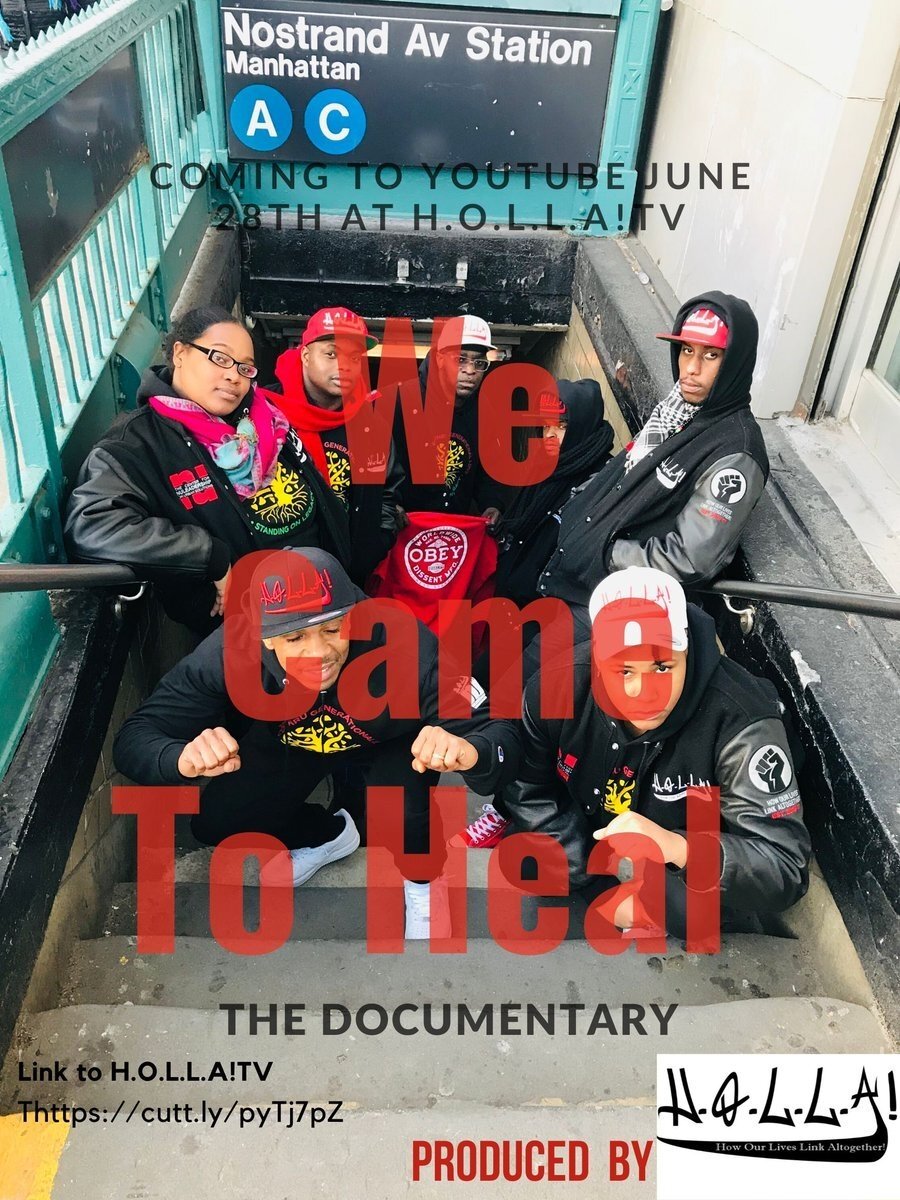
We Came to Heal
Documentary
Overview
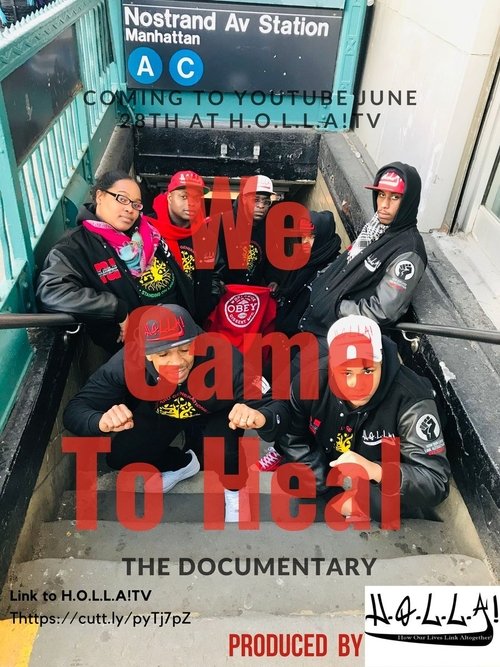
We Came to Heal” follows H.O.L.L.A!’s Healing Justice Movement - over a three years period capturing Healing Justice circles, the Healing Justice Summits and H.O.L.L.A!’ s human healing-centered praxis led by The Youth Organizing Collective (Y.O.C). We believe to move towards healing you need to create a space to build, to grow, and share our stories. Alone we are strong spirited, but together we are unstoppable in the fight to end all forms of violence in our Nation, our families and all relationships.

No cast information.
Similar Movies
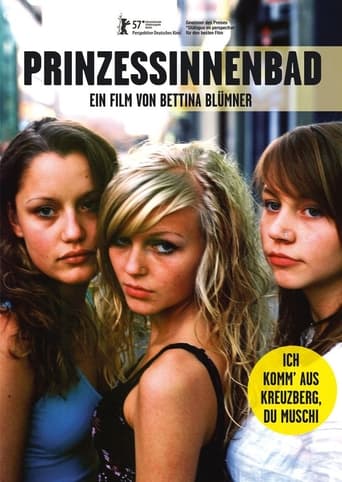
A film about three teenagers - Klara, Mina and Tanutscha - from the Berlin district of Kreuzberg. The trio have known each other since Kindergarten and have plenty in common. The three 15-year-olds are the best of friends; they are spending the summer at Prinzenbad, a large open-air swimming pool at the heart of the district where they live. They're feeling pretty grown up, and are convinced they've now left their childhood behind.
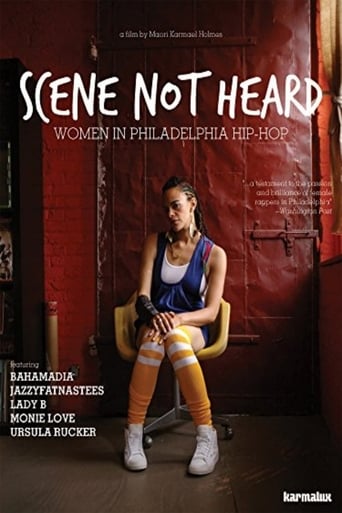
Scene Not Heard features interviews with some of the originators of hip-hop such as Lady B, Schoolly D, Monie Love and Rennie Harris, with vanguards chiming in including Bahamadia and Ursula Rucker, and presents current talents such as the Jazzyfatnastees, Ms. Jade, and Lady Alma, and emerging talents such as Versus, Keen of Subliminal Orphans and Michele Byrd-McPhee of Montäzh, as well as scholars, critics and local promoters.
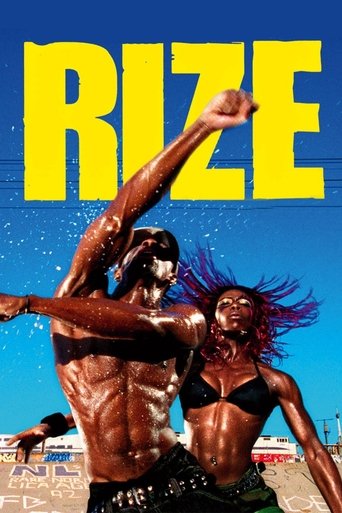
A documentary film that highlights two street derived dance styles, Clowning and Krumping, that came out of the low income neighborhoods of L.A.. Director David LaChapelle interviews each dance crew about how their unique dances evolved. A new and positive activity away from the drugs, guns, and gangs that ruled their neighborhood. A raw film about a growing sub-culture movements in America.
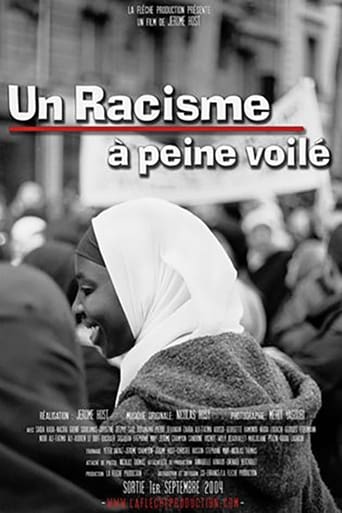
October 2003, Alma and Lila Levy are excluded from the Lycée Henri Wallon in Aubervilliers solely because they were wearing a headscarf. What follows is a deafening political and media debate, justifying in most cases the exclusion of girls wearing head-scarves to school. February 2004, a law was eventually passed by the National Assembly. "A thinly veiled racism" is about this controversy since the affair of Creil in 1989 (where two schoolgirls were excluded for the same reasons) and attempts to "reveal" that maybe what hides behind is the desire to exclude these girls. This film gives them a voice as well as others - teachers, community activists, feminists, researchers - gathered around the group "A School for You-All" fighting for the repeal of this law they consider sexist and racist ... This movie was censured in Septembre 2004 in France.
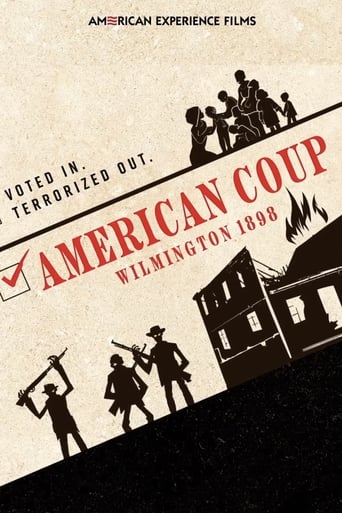
The little-known story of a deadly race massacre and carefully orchestrated insurrection in North Carolina’s largest city in 1898 — the only coup d’état in the history of the US. Stoking fears of 'Negro Rule', self-described white supremacists used intimidation and violence to destroy Black political and economic power and overthrow Wilmington’s democratically-elected, multi-racial government. Black residents were murdered and thousands were banished. The story of what happened in Wilmington was suppressed for decades until descendants and scholars began to investigate. Today, many of those descendants — Black and white — seek the truth about this intentionally buried history.