


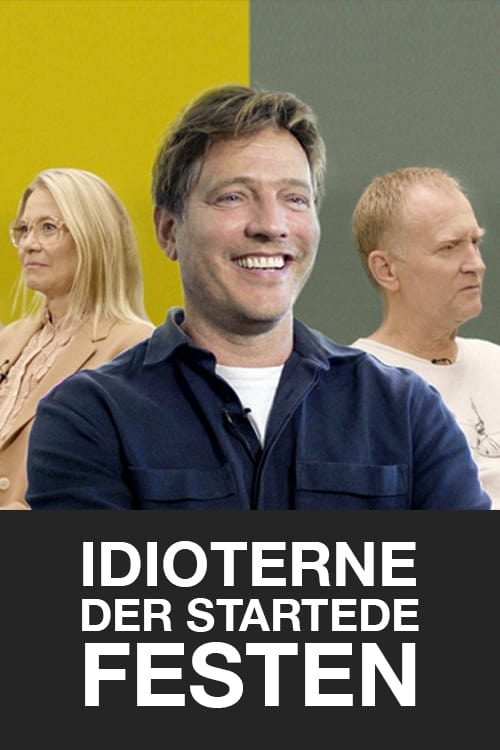
The Idiots Who Started The Party
Documentary
Overview
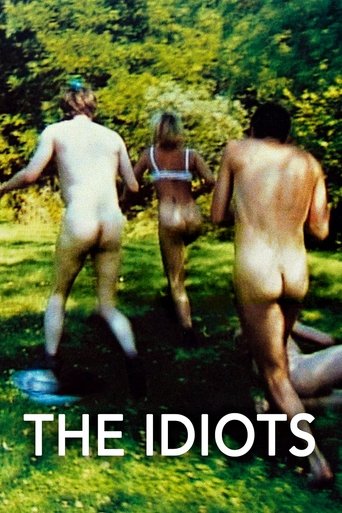
Danish film has never felt stronger on the international stage than it did with the Dogme films, which at the world premiere of 'The Party' and 'The Idiots' during the Cannes Film Festival in 1998 put Denmark on the film world map. Another eight films under the strict Dogme rules followed and created great international careers for several of the talents in front of and behind the handheld camera. Thomas Vinterberg, Søren Kragh-Jacobsen, Paprika Steen, Ulrich Thomsen, Trine Dyrholm, Iben Hjejle, Anders W. Berthelsen, Lone Scherfig, Sonja Richter and many more of the country's greatest filmmakers look back on when Denmark became Dogme.


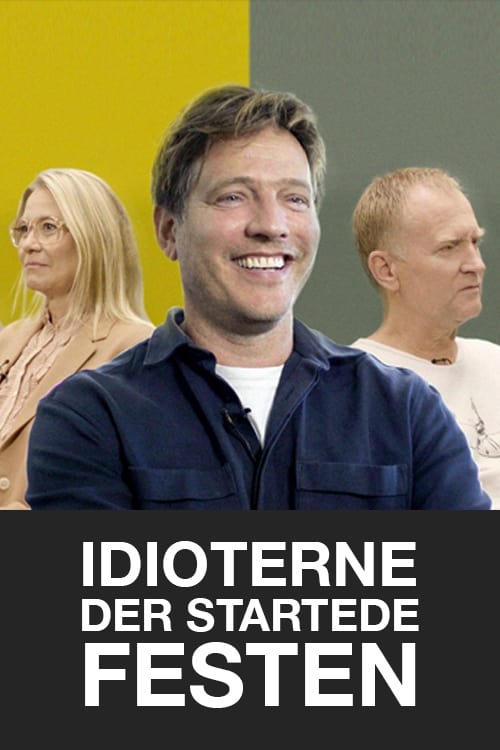

Lars von Trier
Lars von Trier
Sig selv
Lars von Trier
Sig selv
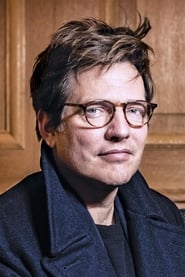
Thomas Vinterberg
Thomas Vinterberg
Sig selv
Thomas Vinterberg
Sig selv

Søren Kragh-Jacobsen
Søren Kragh-Jacobsen
Sig selv
Søren Kragh-Jacobsen
Sig selv

Paprika Steen
Paprika Steen
Sig selv
Paprika Steen
Sig selv

Ulrich Thomsen
Ulrich Thomsen
Sig selv
Ulrich Thomsen
Sig selv
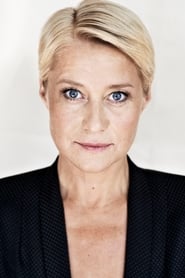
Trine Dyrholm
Trine Dyrholm
Sig selv
Trine Dyrholm
Sig selv
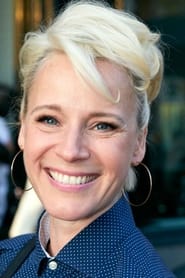
Iben Hjejle
Iben Hjejle
Sig selv
Iben Hjejle
Sig selv
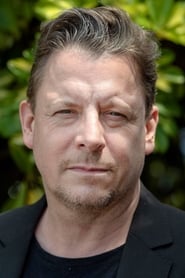
Anders W. Berthelsen
Anders W. Berthelsen
Sig selv
Anders W. Berthelsen
Sig selv
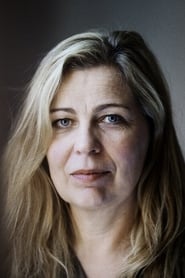
Lone Scherfig
Lone Scherfig
Sig selv
Lone Scherfig
Sig selv

Sonja Richter
Sonja Richter
Sig selv
Sonja Richter
Sig selv
Similar Movies
Sex, animal cruelty, Jesus and politics! Movies evoke emotions - some more than others. In this documentary, Maria Månson explores the Danish films that have outraged, angered, provoked... and have put Denmark on the cinematic map. This is a celebration of those who dared to step across the accepted border between good and bad.
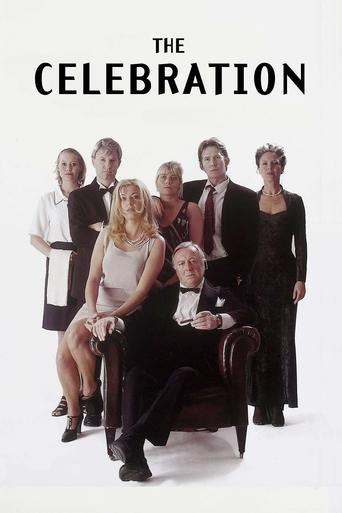
Kresten, newly wed, is on the threshold of a great career success in his father-in-law’s company. But when the death of his own father takes him back to his poverty-stricken childhood home, far out in the country, his career plans fall apart. For one thing he has to deal with his loveable, backward brother, who is now all alone; for another, he meets a stunning woman who comes to the farm as a housekeeper, in disguise of her real profession as a call-girl.
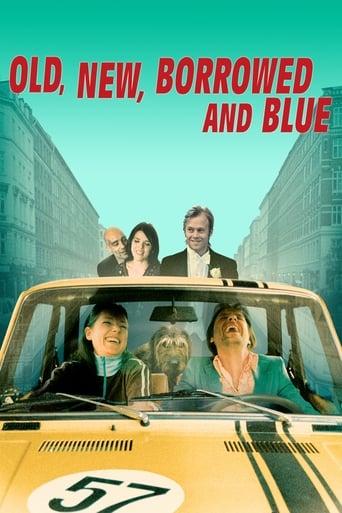
Cecilie and Joachim are about to get married when a freak car accident leaves Joachim disabled, throwing their lives into a spin. The driver of the other car, Marie, and her family don’t get off lightly, either. Her husband Niels works in the hospital where he meets Cecilie and falls madly in love with her.
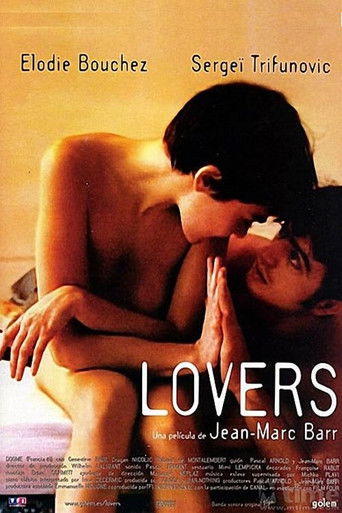
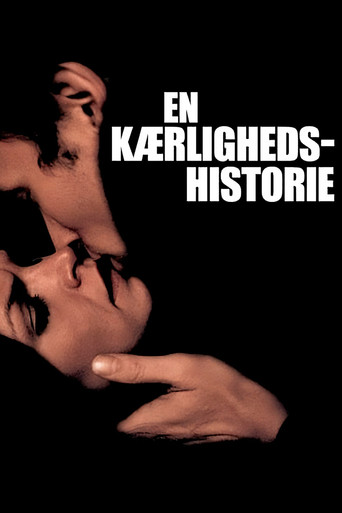
Several lonely hearts in a semi-provincial suburb of a town in Denmark use a beginner's course in Italian as the platform to meet the romance of their lives. The film, which unspools the connections and family drama shared between the students, complies with several aesthetic principles of Dogme 95 movement.
Gypo is the story of a working class family in Margate, Kent, a town where immigrants have become the focus of most of the public's discontent. The film tells the story of the a couple of weeks in this family's life, beginning when a young Czech girl, Tash, comes to visit. The film is made in the Dogme95 tradition, so no costumes, no lighting, no props or sets, which gives the film a gritty texture appropriate to the story.
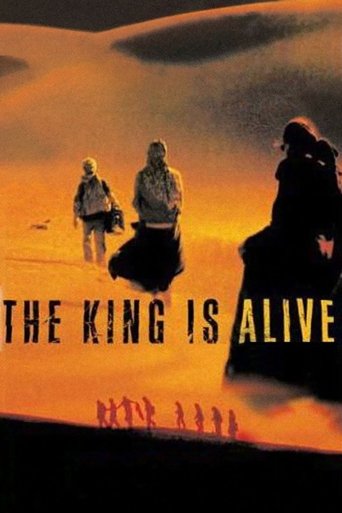
Stranded in the heat of a barren African desert, eleven bus-passengers shelter in the remnants of an abandoned town. As rescue grows more remote by the day and anxiety deepens, an idea emerges: why not stage a play. However the choice of King Lear only manages to plunge this disparate group of travelers into turmoil as they struggle to overcome both nature's wrath and their own morality.
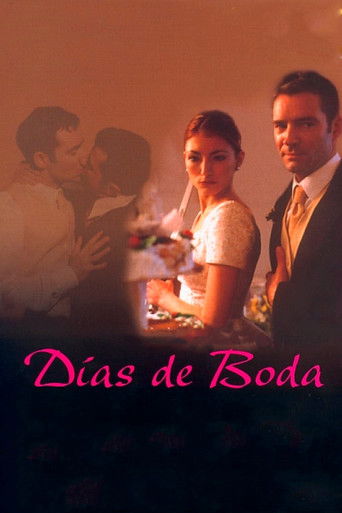
Sonia, the daughter of a prominent publisher, is about to fulfill her lifelong dream of marrying Rosendo, a promising writer with homosexual tendencies, who pines for his fiancee far less than he does for the brand new literary award launched by his future father-in-law. The wedding shindig will bring its share of unexpected surprises. This is a film is part of the DOGME 95 Movement, described as follows: 'the goal of the Dogme collective is to purify film-making by refusing expensive and spectacular special effects, post-production modifications and other gimmicks. The emphasis on purity forces the filmmakers to focus on the actual story and on the actors' performances. Given these restrictions the story and the action of DIAS DE BODA ('WEDDING DAYS') seem much more immediate and the lapses in fluidity of the story can be forgiven - to a point.