

Behind Time, Time Comes
Documentary
Overview
“Behind time, time comes” interlaced with folk songs, narrates the rhythms of rural life, where time and its weight, shape and define the landscape, as well as the lives that compose it. Accompanying the reminiscences of a group of women from the parish of Dornelas, Sever do Vouga, Portugal.

No cast information.
Similar Movies
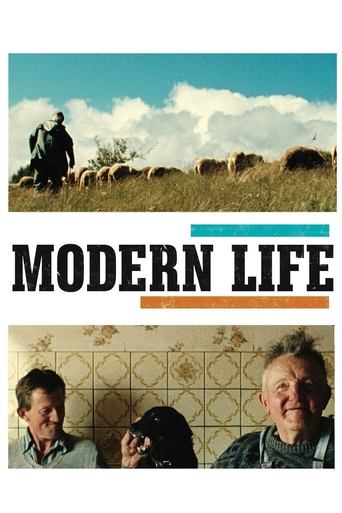
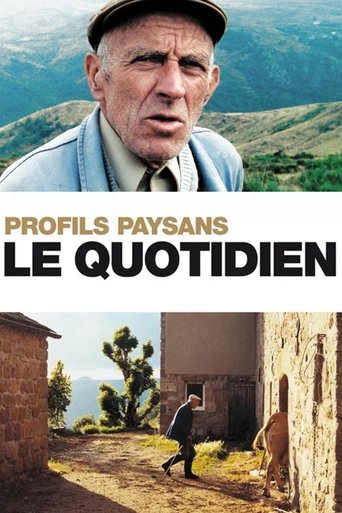
For ten years, Raymond Depardon has followed the lives of farmer living in the mountain ranges. He allows us to enter their farms with astounding naturalness. This moving film speaks, with great serenity, of our roots and of the future of the people who work on the land. This the last part of Depardon's triptych "Profils paysans" about what it is like to be a farmer today in an isolated highland area in France. "La vie moderne" examines what has become of the persons he has followed for ten years, while featuring younger people who try to farm or raise cattle or poultry, come hell or high water.
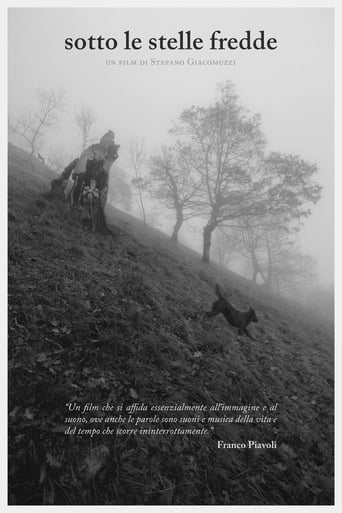
Set in the mountains of northeast Italy, this film may be considered an observational documentary about rural life. Although this is undeniably the case, at the same time Under the cold stars can hardly be considered a documentary: the microcosm on which it focuses appears to be a reflection of a broader reality and perhaps a way to deal with the themes of man’s existence and his relationship with animals, nature and, most importantly, with time. As written by Franco Piavoli "it is a film which essentially relies on images and sound, where words themselves are sound and the music of life, of the relentless flow of time."
A short film that follows Tiana, a young woman navigating the fragile space between self-discovery and belonging in contemporary Brazil. After distancing herself from a turbulent past, she tries to rebuild her identity while confronting expectations imposed by family, society, and her own desire for freedom. As new relationships open doors to intimacy and vulnerability, Tiana must decide whether to embrace the version of herself she has long hidden or continue living in the shadows. The film explores gender, transformation, and queer resilience through a tender, character-driven lens.
After eighteen years of operating the favourite lunch counter in Manitoba's Interlake region, Ellen and Martin Kihn have retired. A poignant look at the last day, The Kihns, their friends and their customers, demanding rural life and the place the disappearing institution of the country cafe plays in these people's lives. A tribute to the cafes found in small towns.
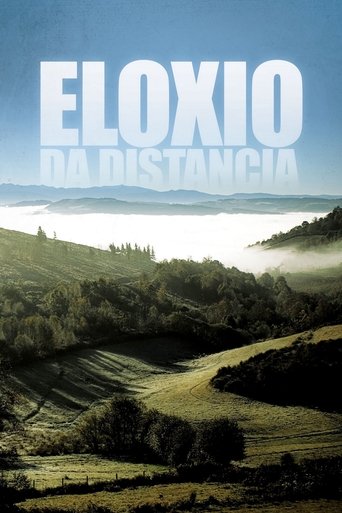
Province of Lugo, Galicia, Spain. A year in the life of A Fonsagrada, a rural region whose inhabitants live both near and far from urban civilization; a praise of the distance that crosses the four seasons of the year, whose inevitable passage transforms both the natural environment and the existence of people, a simple, dignified and peaceful existence.
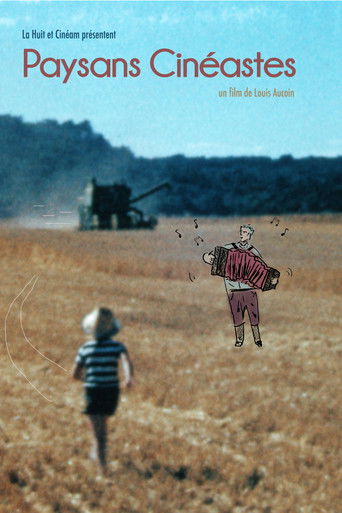
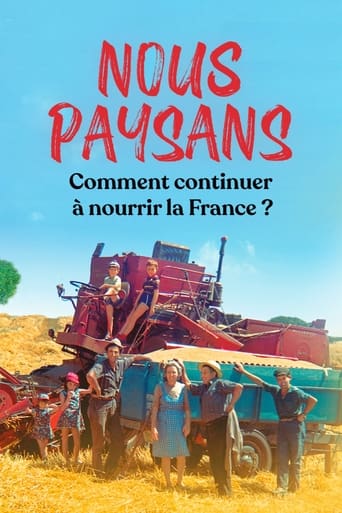
Farmers in the Île-de-France region, they filmed life on the farm, working in the fields, and family and village celebrations on 8 mm or Super 8 film. From the 1950s to the 1980s, these testimonies unfold a history of rural life: we move away from a peasant and family model to industrial agriculture for export. Through these family images, I attempt to answer my own questions about our agricultural future. In the 1950s, the land of Île-de-France fed us.

A single female voice sings of waiting in her garden for her ‘dark-eyed sailor’ to return from war, bearing the other half of their token, a gimmel ring. Three veterans pass on the road as she waits, and she asks them: “When you were fighting in distant lands, did you think of the home you left?” In reply the veterans relate their recollections. The garden images in the accompanying film represent ‘home’, but also stand for a more general possibility of redemption, of the potential of the past to return at any time, disguised and changed, to renew the present: “Each moment of time is a garden gate,” the song goes, “Through it my love may walk.”
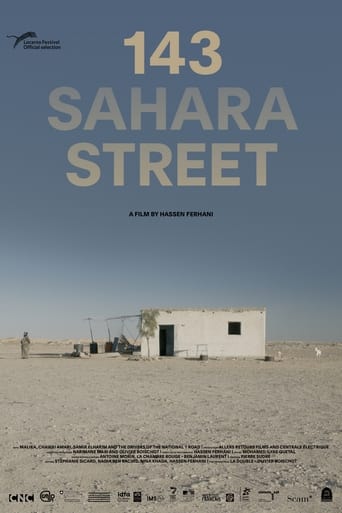
Alone in a small white house on the edge of national road 1, the Trans-Saharan road, which connects Algiers to Tamanrasset crossing the immensity of the desert, Malika, 74, one day opened her door to the director Hassen Ferhani, who came there to scout with his friend Chawki Amari, journalist at El Watan and author of the story Nationale 1 which relates his journey on this north-south axis of more than 2000 km. The Malika of Amari's novel, which Ferhani admits to having first perceived as a "literary fantasy", suddenly takes on an unsuspected human depth in this environment naturally hostile to man. She lends herself to the film project as she welcomes her clients, with an economy of gestures and words, an impression reinforced by the mystery that surrounds her and the rare elements of her biography which suggest that she is not from the region, that she left the fertile north of Algeria to settle in the desert where she lives with a dog and a cat.