

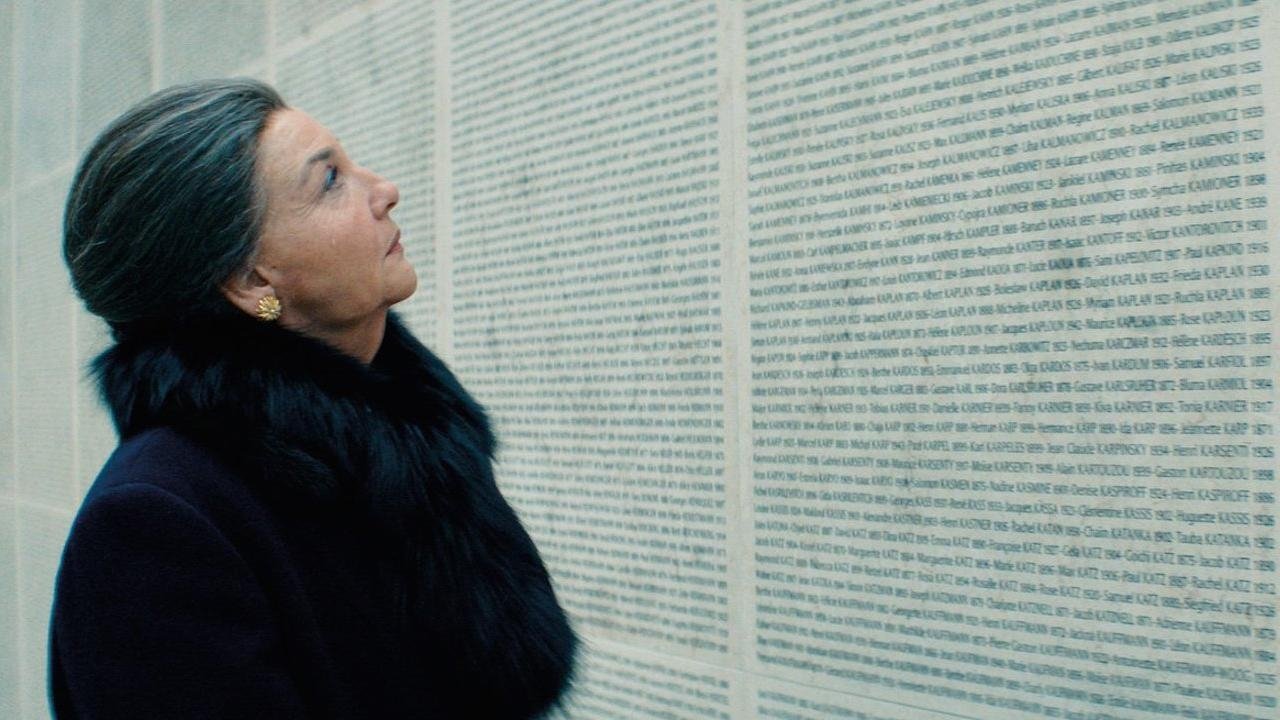
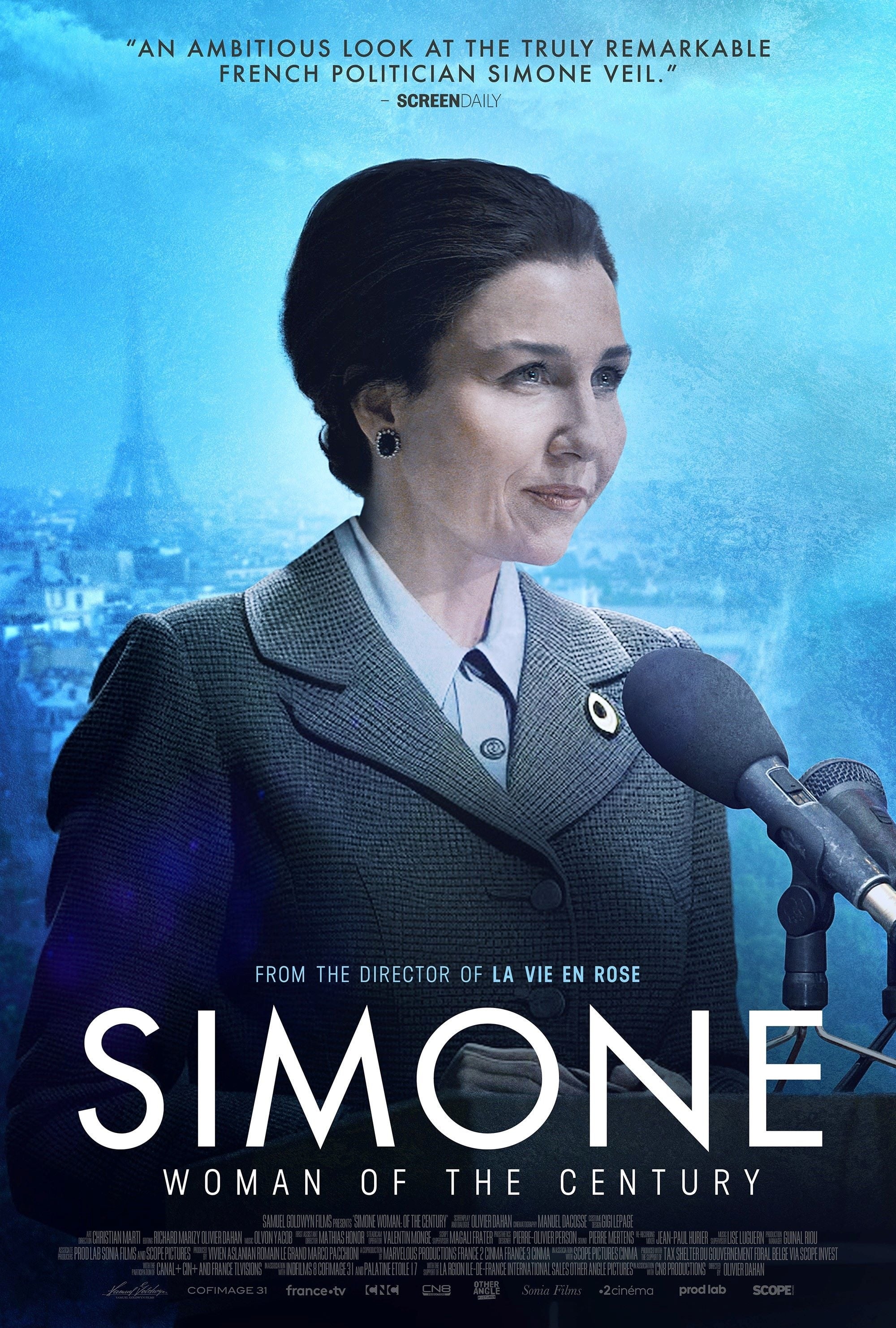
Simone: Woman of the Century
Drama · History
Overview
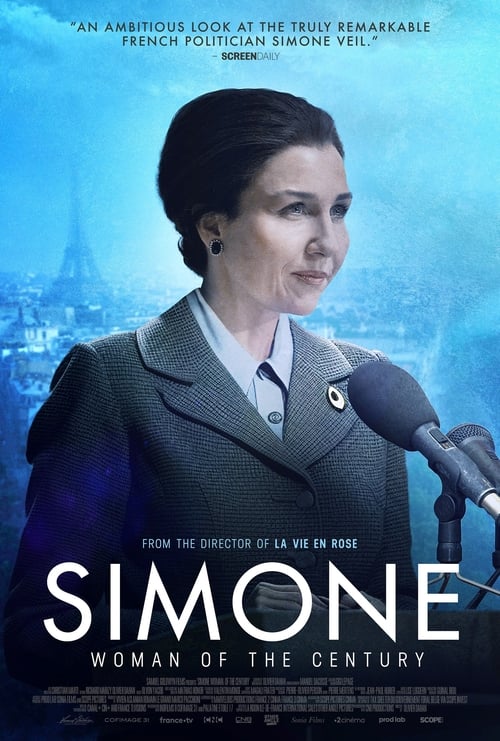
Simone Veil's life story through the pivotal events of Twentieth Century. Her childhood, her political battles, her tragedies. An intimate and epic portrait of an extraordinary woman who eminently challenged and transformed her era defending a humanist message still keenly relevant today.
Top Cast

Elsa Zylberstein
Simone Veil (1968 - 2006)

Rebecca Marder
Simone Veil (1941 – 1962)

Élodie Bouchez
Yvonne Jacob

Judith Chemla
Milou Jacob (1941-1952)

Olivier Gourmet
Antoine Veil (1974 - 2006)

Mathieu Spinosi
Antoine Veil (1946 - 1962)

Sylvie Testud
Marceline Rozenberg (1968 - 1979)

Esther Valding
Marceline Rozenberg (16 ans)
Philippe Torreton
André Perdriau

Antoine Gouy
Jean-Paul Davin

Laurence Côte
Ginette Cherkasky (54 ans)

Lubna Azabal
Hafsia Hamdad





Elsa Zylberstein
Elsa Zylberstein
Simone Veil (1968 - 2006)
Elsa Zylberstein
Simone Veil (1968 - 2006)
Rebecca Marder
Rebecca Marder
Simone Veil (1941 – 1962)
Rebecca Marder
Simone Veil (1941 – 1962)
Élodie Bouchez
Élodie Bouchez
Yvonne Jacob
Élodie Bouchez
Yvonne Jacob
Judith Chemla
Judith Chemla
Milou Jacob (1941-1952)
Judith Chemla
Milou Jacob (1941-1952)
Olivier Gourmet
Olivier Gourmet
Antoine Veil (1974 - 2006)
Olivier Gourmet
Antoine Veil (1974 - 2006)
Mathieu Spinosi
Mathieu Spinosi
Antoine Veil (1946 - 1962)
Mathieu Spinosi
Antoine Veil (1946 - 1962)
Sylvie Testud
Sylvie Testud
Marceline Rozenberg (1968 - 1979)
Sylvie Testud
Marceline Rozenberg (1968 - 1979)
Esther Valding
Esther Valding
Marceline Rozenberg (16 ans)
Esther Valding
Marceline Rozenberg (16 ans)
Philippe Torreton
Philippe Torreton
André Perdriau
Philippe Torreton
André Perdriau
Antoine Gouy
Antoine Gouy
Jean-Paul Davin
Antoine Gouy
Jean-Paul Davin
Similar Movies
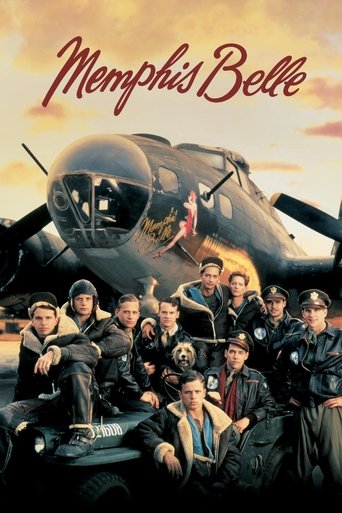
The "Memphis Belle" is a World War II bomber, piloted by a young crew on dangerous bombing raids into Europe. The crew only have to make one more bombing raid before they have finished their duty and can go home. In the briefing before their last flight, the crew discover that the target for the day is Bremen.
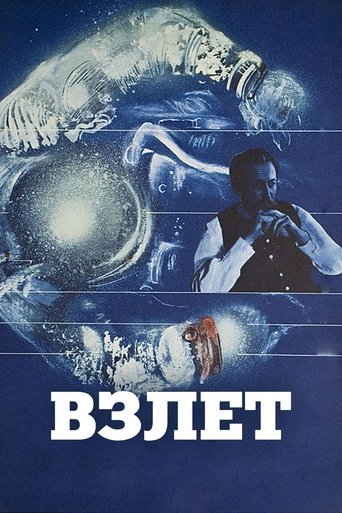
A biographical film about the life of the great Russian scientist, inventor of rocket technology and the founder of theoretical astronautics — Konstantin Tsiolkovsky, the hard spiritual work of the thinker, overcoming the stagnation of the surrounding and dramatic events of his family life.
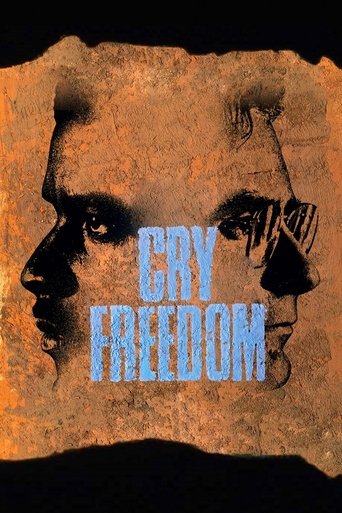
A dramatic story, based on actual events, about the friendship between two men struggling against apartheid in South Africa in the 1970s. Donald Woods is a white liberal journalist in South Africa who begins to follow the activities of Stephen Biko, a courageous and outspoken black anti-apartheid activist.
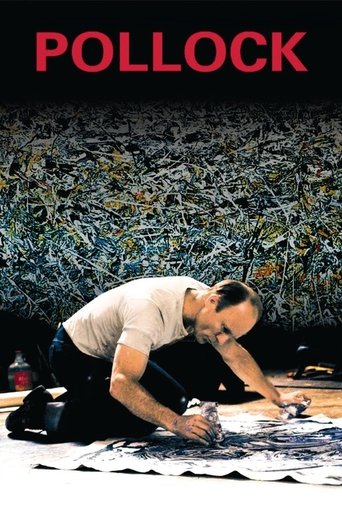
In August of 1949, Life Magazine ran a banner headline that begged the question: "Jackson Pollock: Is he the greatest living painter in the United States?" The film is a look back into the life of an extraordinary man, a man who has fittingly been called "an artist dedicated to concealment, a celebrity who nobody knew." As he struggled with self-doubt, engaging in a lonely tug-of-war between needing to express himself and wanting to shut the world out, Pollock began a downward spiral.
As the end of the Second World War approaches and the Soviet Red Army is advancing, a group of concentration camp inmates is helped to escape by a Polish doctor. They hide in a wood where they meet other fugitives, who have been there for months, constantly in fear of being discovered. Out of fear of the German army patrols, they do not dare to leave the forest, even as the food supplies run low.
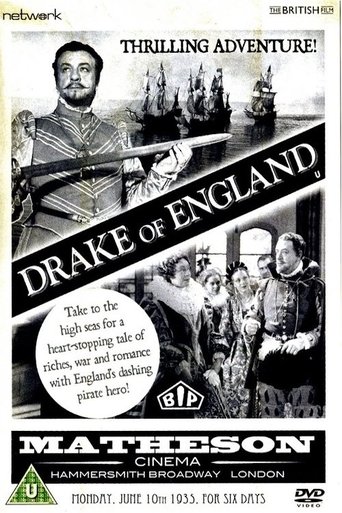
Imposing Canadian-born stage actor and playwright Matherson Lang was one of the twentieth century's great Shakespearean players, and became Britain's foremost screen actor during the 1920s; in Drake of England, one of his final films, he takes the title role in Arthur Woods' portrayal of the life and times of the flamboyant piratical adventurer who founded Britain's sea fortunes. From clandestine romance at the court of Elizabeth I to conquests in the newly discovered lands of South America and spectacular victory over the Armada, Drake of England offers a panoramic overview of Drake's life.

In the mid-1960s, wealthy debutant Edie Sedgwick meets artist Andy Warhol. She joins Warhol's famous Factory and becomes his muse. Although she seems to have it all, Edie cannot have the love she craves from Andy, and she has an affair with a charismatic musician, who pushes her to seek independence from the artist and the milieu.

The Polish city of Łódź was under Nazi occupation for nearly the entirety of WWII. The segregation of the Jewish population into the ghetto, and the subsequent horrors are vividly chronicled via newsreels and photographs. The narration is taken almost entirely from journals and diaries of those who lived–and died–through the course of the occupation, with the number of different narrators diminishing as the film progresses, symbolic of the death of each narrator.