


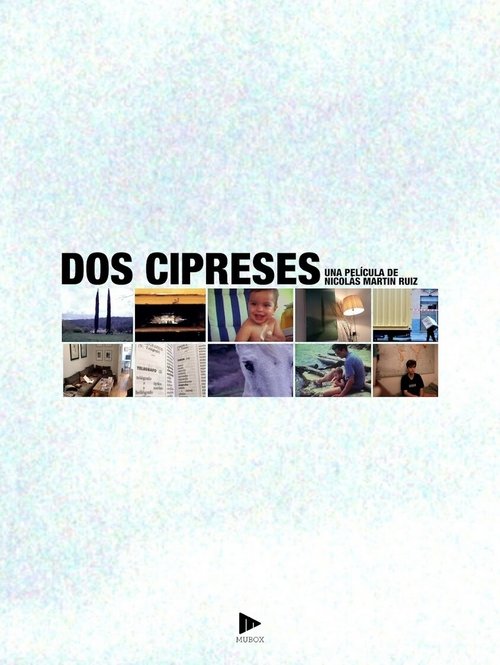
Dos cipreses
Documentary
Overview
A double-edged letter in the midst of confinement. Javier starts sending videos to his son to catch him up on his new life. Through these videos, Nico will try to respond to his father.

















Javier Martin Marcos
Javier Martin Marcos
Padre
Javier Martin Marcos
Padre
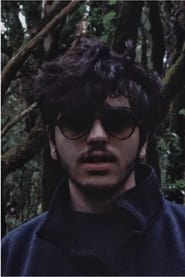
Nicolás Martín Ruiz
Nicolás Martín Ruiz
Hijo
Nicolás Martín Ruiz
Hijo
Similar Movies
The documentary's title translates as "to be and to have", the two auxiliary verbs in the French language. It is about a primary school in the commune of Saint-Étienne-sur-Usson, Puy-de-Dôme, France, the population of which is just over 200. The school has one small class of mixed ages (from four to twelve years), with a dedicated teacher, Georges Lopez, who shows patience and respect for the children as we follow their story through a single school year.
This autobiographical film documents an attempt at healing the trauma of touch between mother and child, as the filmmaker and their mother talk openly for the first time about the intergenerational trauma and abuse within their lives. Present day phone conversations are juxtaposed with archival VHS footage, creating a connection between the past and a re-write for the future.
Between 1968 and 1970, J M Goodger, a lecturer at the University of Salford, made a film record of the living conditions in the slums of Ordsall, Salford, which were then in the process of being demolished. Under the title 'The Changing face of Salford', the film was in two parts: 'Life in the slums' and 'Bloody slums'.
A couple of dancers appear one morning in a High School. It's Monday and they announce to a group of youngsters that they have five days to get up on stage and dance. A short time but a big challenge. The dance compels these youngsters to break through their roles exactly at the time of their lives when the social roles are being forged. The handsome boy is no longer the most admired, the timid one takes a step forward. Wilfried van Popple and Amaya Lubeigt are the choreographers. Professional dancers who have decided now to work with people who have never danced before. This is the challenge: five days, a class of teenagers, a microcosm in which occurs a little big bang.
On June 11th, 1997, Philippe Kahn created the first camera phone solution to share pictures instantly on public networks. The impetus for this invention was the birth of Kahn's daughter, when he jerry-rigged a mobile phone with a digital camera and sent photos in real time. In 2016 Time Magazine included Kahn's first camera phone photo in their list of the 100 most influential photos of all time.