

Our Cultural Heritage
Documentary
Overview
Aslani takes us on a mesmerizing journey through Iran’s archaeological sites of Chogha Zanbil, Kerman, Damghan, Yazd, and Kerman, narrating the tale of the Sufi mystic Daghoughi through a 13th-century poem by Rumi. The Pahlavi Ministry of Culture, expecting a far more conventional documentary, kept the film from being shown. It was only in 2024, when Aslani set out to digitize the film, that he discovered two reels had been lost. MoMA presents the world-premiere of Aslani’s re-edited version, which seeks to recapture the meditative flow of his original work despite its missing sequences.




No cast information.
Similar Movies
Tehran, Iran, August 19, 1953. A group of Iranian conspirators who, with the approval of the deposed tyrant Mohammad Reza Pahlavi, have conspired with agents of the British MI6 and the US CIA, manage to put an end to the democratic government led by Mohammad Mosaddegh, a dramatic event that will begin the tragic era of coups d'état that, orchestrated by the CIA, will take place, over the following decades, in dozens of countries around the world.
David Asmmann's Football Under Cover documents the hard work involved in setting up an exhibition soccer match, known as a "friendly," between a German girls squad and Iranian women's team. In addition to showing how the two groups come from very different cultures, the documentary showcases what playing the game means to the members of both teams, and displays how passionate the fans of these two squads are.
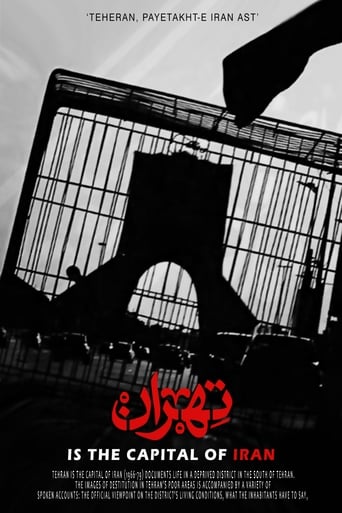
Tehran Is the Capital of Iran (1966-79) documents life in a deprived district in the south of Tehran. The images of destitution in Tehran's poor areas is accompanied by a variety of spoken accounts: the official viewpoint on the district's living conditions, what the inhabitants have to say, and occasional extracts read out of school manuals. The key element in Shirdel's film is the counterpoint effect he creates with image and sound. His impressively powerful portrayal of social unease helps reinforce the impact of his astonishing documentary images and social themes.
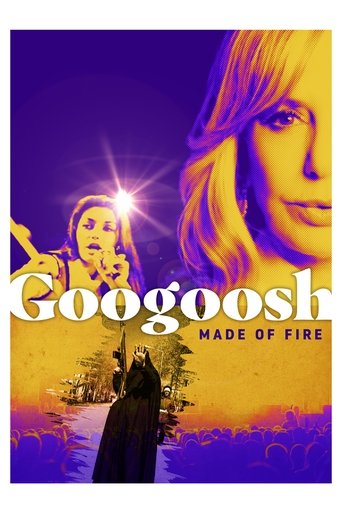
On stage since she was a toddler, Googoosh has been an icon of Iranian pop culture since the 1970s. Her progressive style and raw singing talent attracted worldwide acclaim and saw her performing alongside the likes of Tina Turner and Ray Charles. But the star's career came to an abrupt halt after the Islamic Revolution, which banned women from singing in public. Googoosh was placed under house arrest, where she remained for the next two decades. Niloufar Taghizadeh's documentary, which includes interviews with the charismatic singer (now in her seventies, but still performing and advocating for women and girls) and arresting archival footage, offers both a loving portrait of a national icon and a fascinating historical and cultural record of Iran.
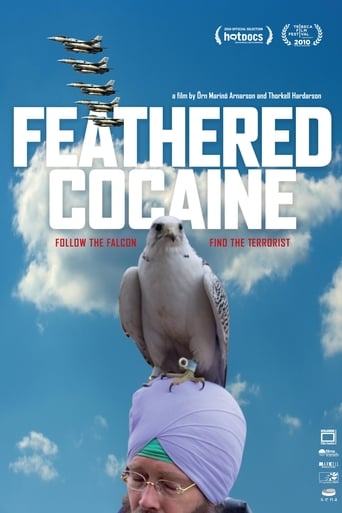
FEATHERED COCAINE is not a wildlife documentary. It is a documentary about the international trade of falcons. After the trade of drugs, people and weapons, smuggling falcons is ranked No 4 in the list of the most profitable illegal trades. Most people are not aware that the effects of the falcon trade has exerted huge influence over thousands of years on politics, economy and society all around the world. FEATHERED COCAINE reveals in an investigative way the contexts between the trade of falcons and historical events, where royal dynasties, institutions like the CIA and the KGB, the oil industry and Al Queda were involved. This documentary was filmed and released shortly before the 'supposed' execution of Osama bin Laden, who CIA Operative Alan Parrot & his Team had met with 6 times between 2004 & 2010. As of October 11th, 2020.
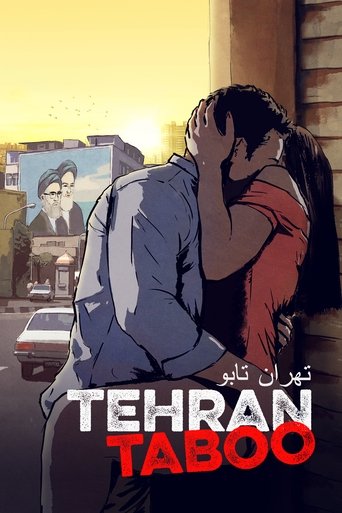
The lives of three strong-willed women and a young musician cross paths in Tehran’s schizophrenic society where sex, adultery, corruption, prostitution and drugs coexist with strict religious law. In this bustling modern metropolis, avoiding prohibition has become an everyday sport and breaking taboos can be a means of personal emancipation.