


Bureau 39: Kim's Cash Machine
Documentary · TV Movie
Overview
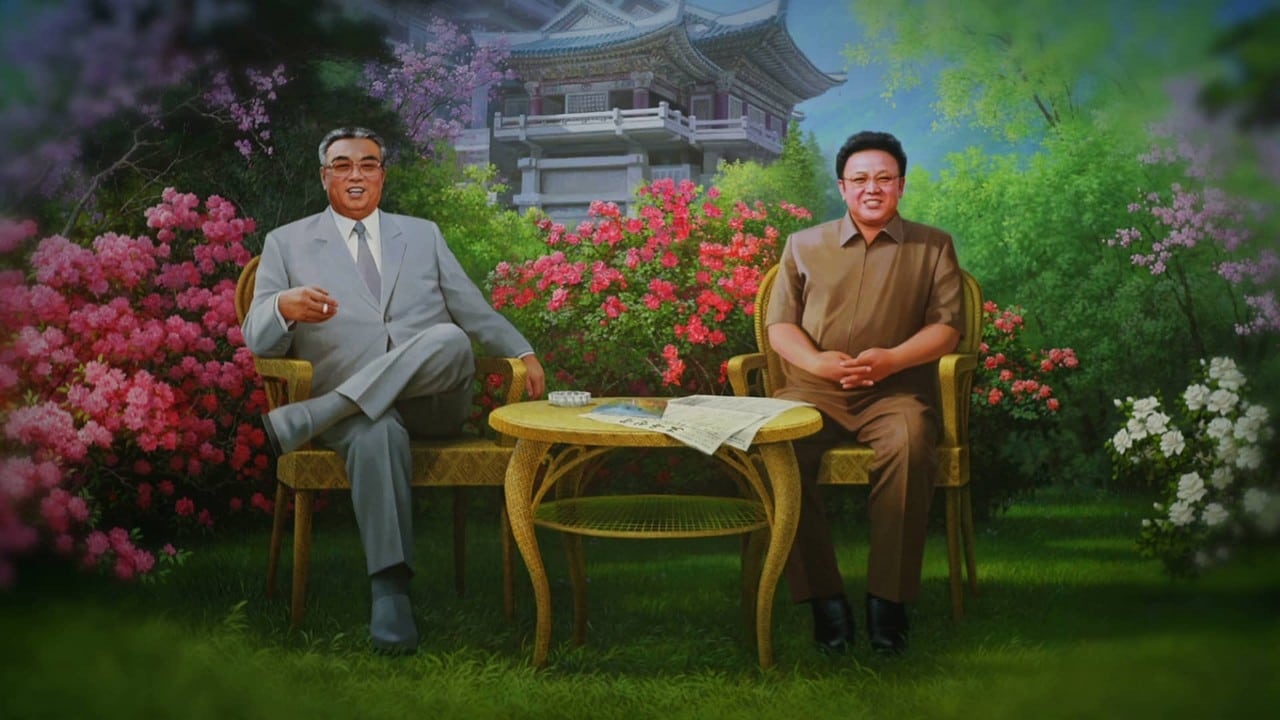
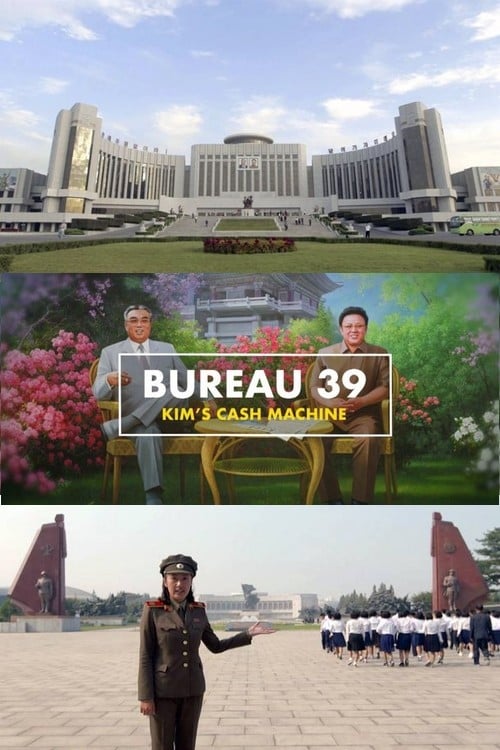
How is it possible that North Korea, one of the poorest countries on earth finances a nuclear weapons program large enough to challenge the USA? The answer: Bureau 39, a legendary organization nestled deep inside the government apparatus. Its aim is to procure foreign exchange by any means possible to provide Kim Jong-un’s regime with money.
Top Cast






Remco Breuker
Remco Breuker
Self
Remco Breuker
Self
Hugh Griffiths
Hugh Griffiths
Self
Hugh Griffiths
Self
Kyun-Chul Seong
Kyun-Chul Seong
Self
Kyun-Chul Seong
Self
Koh Young-Hwan
Koh Young-Hwan
Self
Koh Young-Hwan
Self
Simon Choi
Simon Choi
Self
Simon Choi
Self
Similar Movies
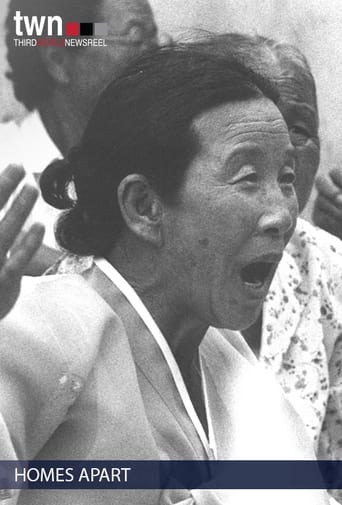
They speak the same language, share a similar culture and once belonged to a single nation. When the Korean War ended in 1953, ten million families were torn apart. By the early 90s, as the rest of the world celebrated the end of the Cold War, Koreans remain separated between North and South, fearing the threat of mutual destruction. Beginning with one man's journey to reunite with his sister in North Korea, filmmakers Takagi and Choy reveal the personal, social and political dimensions of one of the last divided nations on earth. The film was also the first US project to get permission to film in both South & North Korea.
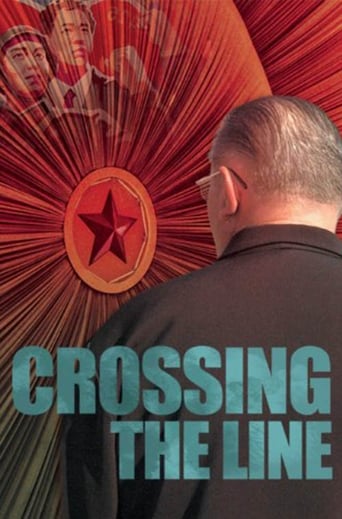
In 1962, a U.S. soldier sent to guard the peace in South Korea deserted his unit, walked across the most heavily fortified area on earth and defected to the Cold War enemy, the communist state of North Korea. He became a star of the North Korean propaganda machine, but then disappeared from the face of the earth. Now, after 45 years, the story of James Dresnok, the last American defector in North Korea, is being told for the first time. Crossing the Line follows Dresnok as he recalls his childhood, desertion, and life in the DPRK.
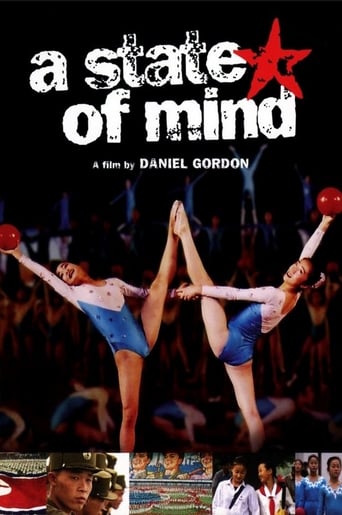
Two young North Korean gymnasts prepare for an unprecedented competition in this documentary that offers a rare look into the communist society and the daily lives of North Korean families. For more than eight months, film crews follow 13-year-old Pak Hyon Sun and 11-year-old Kim Song Yun and their families as the girls train for the Mass Games, a spectacular nationalist celebration.
A thought provoking documentary feature film providing a comprehensive exploration of the evolution of signals intelligence over the past century. Whether you're intrigued by the secretive world of intelligence agencies or concerned about the implications of digital surveillance, this film will leave you with a deeper understanding of the role signals intelligence plays in society.
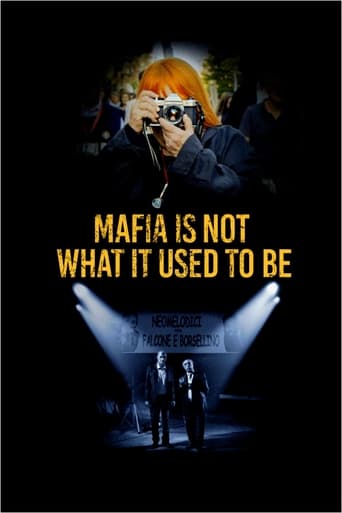
Palermo, Sicily, Italy, 2017. Twenty-five years after the murders of anti-mafia judges Giovanni Falcone, on May 23, 1992, and Paolo Borsellino, on July 19, 1992; and on the occasion of the tributes held in memory of both heroes, skeptical photographer Letizia Battaglia, chronicler of their titanic combat, criticizes the opportunism of shady characters who, like businessman Ciccio Mira, profit from the commemoration of both tragedies.
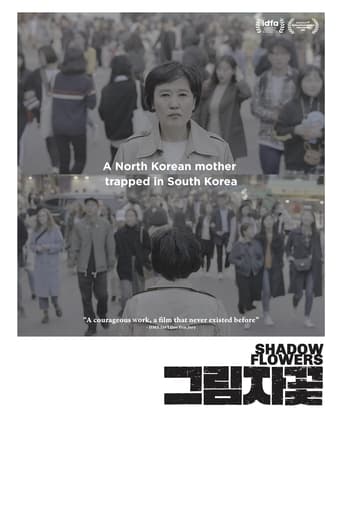
Ryun-hee Kim, a North Korean housewife, was forced to come to South Korea and became its citizen against her will. As her seven years of struggle to go back to her family in North Korea continues, the political absurdity hinders her journey back to her loved ones. The life of her family in the North goes on in emptiness, and she fears that she might become someone, like a shadow, who exists only in the fading memory of her family.
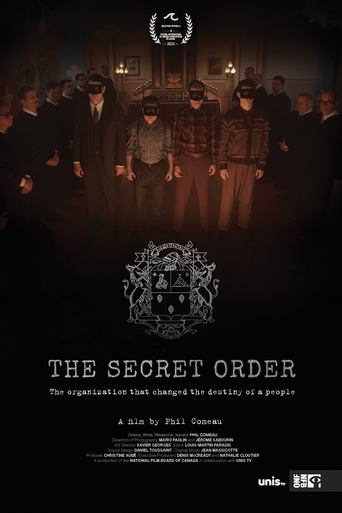
Phil Comeau shines a spotlight on the Ordre de Jacques-Cartier, a powerful secret society that operated from 1926 to 1965, infiltrating every sector of Canadian society and forging the fate of French-language communities. Through never-before-heard testimony from former members of the Order, along with historically accurate dramatic reconstructions, this film paints a gripping portrait of the social and political struggles of Canadian francophone-minority communities.
They’ve become the human face of inhuman barbarity. Leaders like Hitler, Idi Amin Dada, Stalin, Kim Jong Il, Saddam Hussein, Nicolae Ceausescu, Bokassa, Muammar Kadhafi, Khomeini, Mussolini and Franco governed their countries completely cut off from reality. These paranoid leaders were driven to abuse their power by the pathology of power itself. Dictators are driven by a relentless, thought-out determination to impose themselves as infallible, all-knowing and all-powerful beings. But they are also men ruled by their caprices, uncontrollable impulses, and reckless fits of frenzy, which paradoxically render them as human as anyone else. The abuses they committed were clearly atrocious, yet some of them were as outlandish as the characters portrayed in the film The Dictator. They sunk to depths worthy of Kafka: so incredibly absurd, they are outrageously funny.