


The Reporter
Documentary
Overview
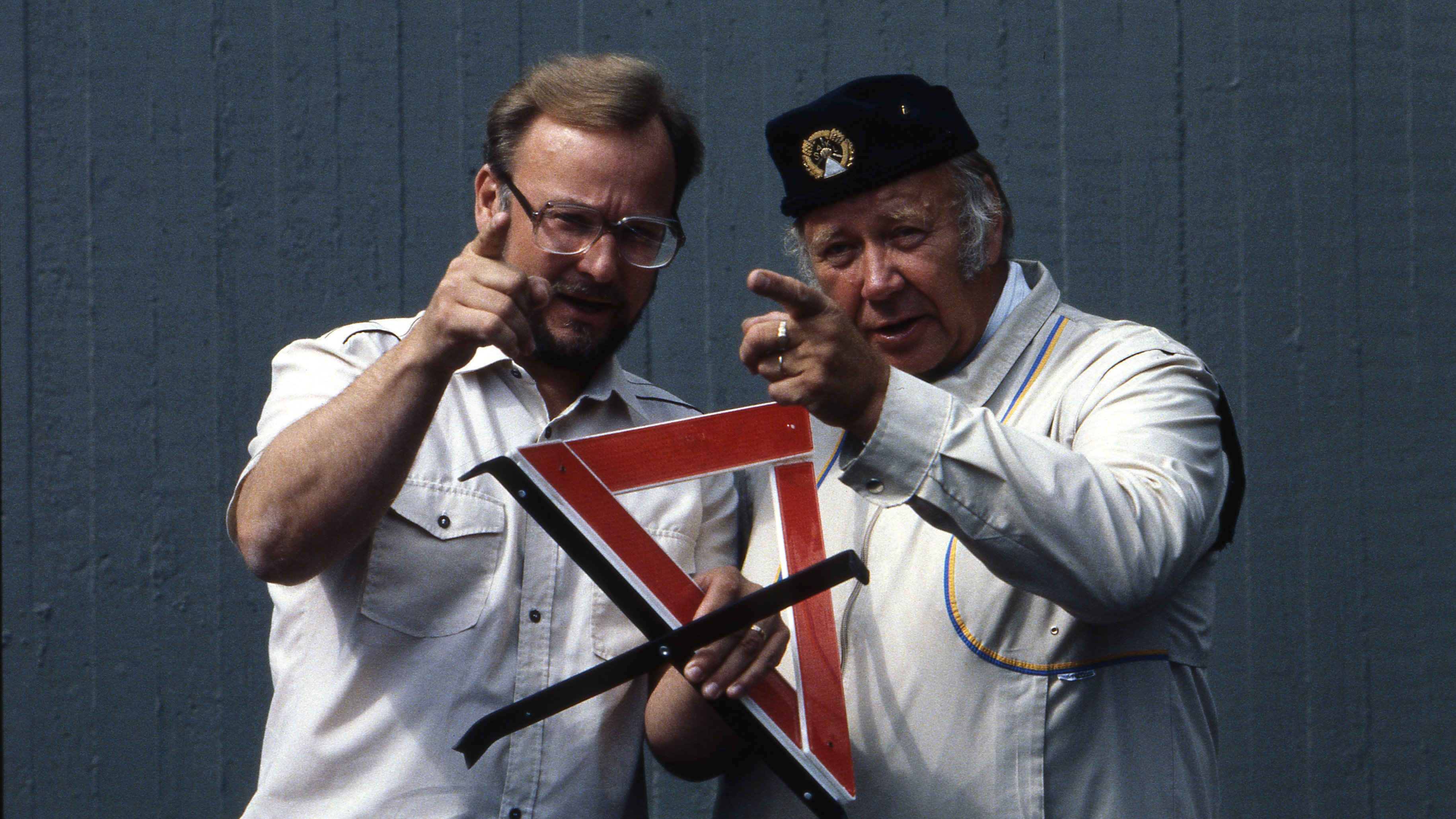
Documentary about a Finnish reporter, Hannu Karpo. The movie follows Karpo's decades-long career as a journalist, and how he became a phenomenon and known by the whole nation.





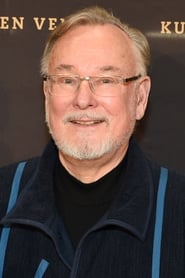
Hannu Karpo
Hannu Karpo
Self
Hannu Karpo
Self
Pentti Jokinen
Pentti Jokinen
Self
Pentti Jokinen
Self
Inkeri Kallio
Inkeri Kallio
Self
Inkeri Kallio
Self
Urpo Kangas
Urpo Kangas
Self
Urpo Kangas
Self
Sampo Karpo
Sampo Karpo
Self
Sampo Karpo
Self
Petter Mäki
Petter Mäki
Self
Petter Mäki
Self
Hannu Pasanen
Hannu Pasanen
Self
Hannu Pasanen
Self
Mirja Pyykkö
Mirja Pyykkö
Self
Mirja Pyykkö
Self
Merja Ylä-Anttila
Merja Ylä-Anttila
Self
Merja Ylä-Anttila
Self
Tauno Äijälä
Tauno Äijälä
Self
Tauno Äijälä
Self
Similar Movies
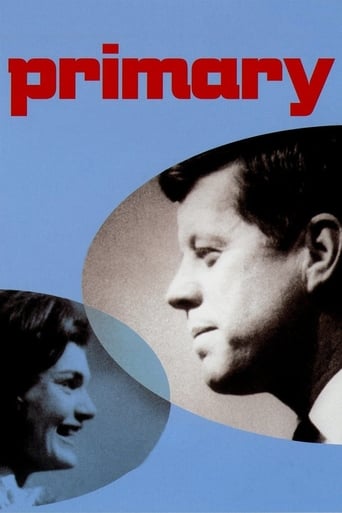
Primary is a documentary film about the primary elections between John F. Kennedy and Hubert Humphrey in 1960. Primary is the first documentary to use light equipment in order to follow their subjects in a more intimate filmmaking style. This unconventional way of filming created a new look for documentary films where the camera’s lens was right in the middle of what ever drama was occurring. Preserved by the Academy Film Archive in partnership with The Film Foundation in 1998.
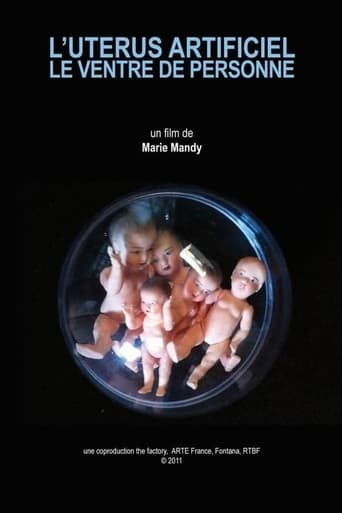
The issue of artificial insemination has biological, medical, psychological, and ethical dimensions. Filmmaker Marie Mandy approaches the topic in her own unique way, involving scientists from various disciplines. The artificial womb—is it a futuristic fairy tale or scientific reality? Filmmaker Marie Mandy uses a very personal visual style to explore the latest research findings in the field of artificial insemination. She highlights the biological, ethical, and psychological issues surrounding this (r)evolution, while also questioning the value of life and the power of science.
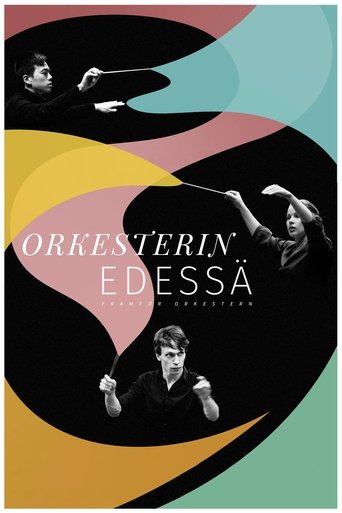
Conductivity is a film about creative leadership told through the story of three young conductors at the prestigious Sibelius Academy in Helsinki, Finland; I-Han Fu (Taiwan), Emilia Hoving (Finland) and James Kahane (France). When stepping on the podium, they are put under a magnifying glass. Conductor training, in essence, is leadership training. The film gives a unique viewpoint to follow the students, as this is the first film about conductor training at the Sibelius Academy.
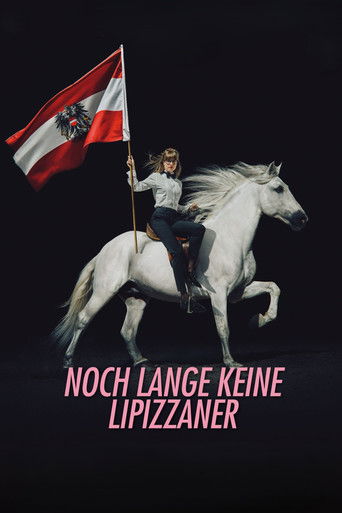
Although director Olga Kosanović was born and raised in Austria, she is not allowed to be Austrian. Her first attempt at naturalization failed. One contemptuous social media comment summed it up: “If a cat gives birth in the Spanish Riding School, that doesn’t make the kittens Lipizzaners.”What notion of identity underlies a legal system that divides society into “us” and “them”? A film about belonging — and about a second attempt.
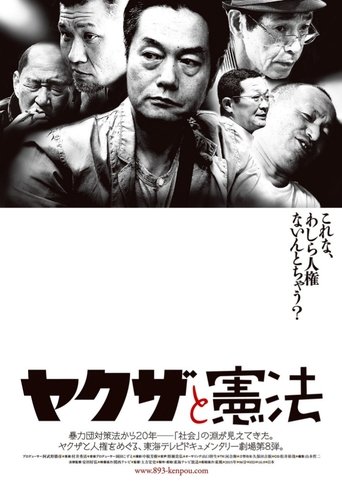
Since the enactment of the Anti-Boryokudan Act and Yakuza exclusion ordinances, the number of Yakuza members reduced to less than 60,000. In the past 3 years, about 20,000 members have left from Yakuza organizations. However, just numbers can’t tell you the reality. What are they thinking, how are they living now? The camera zooms in on the Yakuza world. Are there basic human rights for them?
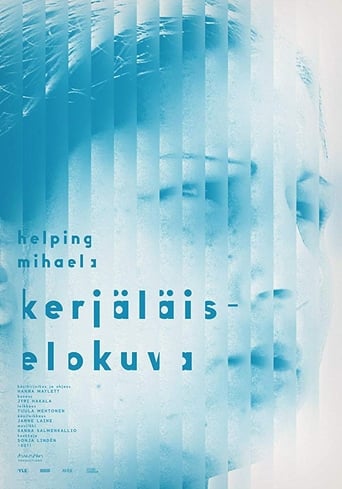
A Roma beggar on his knees raises many extreme emotions: guilt, rage, sympathy and frustration. Most people just walk on by, but there is always someone willing to help. In this film, the director follows the confrontations between the Roma beggars from Romania and Finnish people, and is forced to question, over and over again, her own ideas about helping.
What does it mean to be Black in America in the 21st century? The recently formed Black American film group TNEG™ has set out to elucidate this very question. Hearing from the likes of fine artist Kara Walker and musical artist Flying Lotus, the film is based on a deceptively simple approach -- asking a refined list of black 'specialists' as well as 'uncommon folks' questions about what they think, and more importantly as lead director Arthur Jafa states, 'What they KNOW' -- the film is an unprecedented 'stream of the black consciousness' and a strikingly original and rarefied look at black intellectual and emotional life. What's so unorthodox about this simple approach is that the interviews were recorded separately from the images in the film. What results is a breathtaking, kaleidoscopic look of American black life from the dawn of three original filmmakers.