

Overtijd
Documentary
Overview
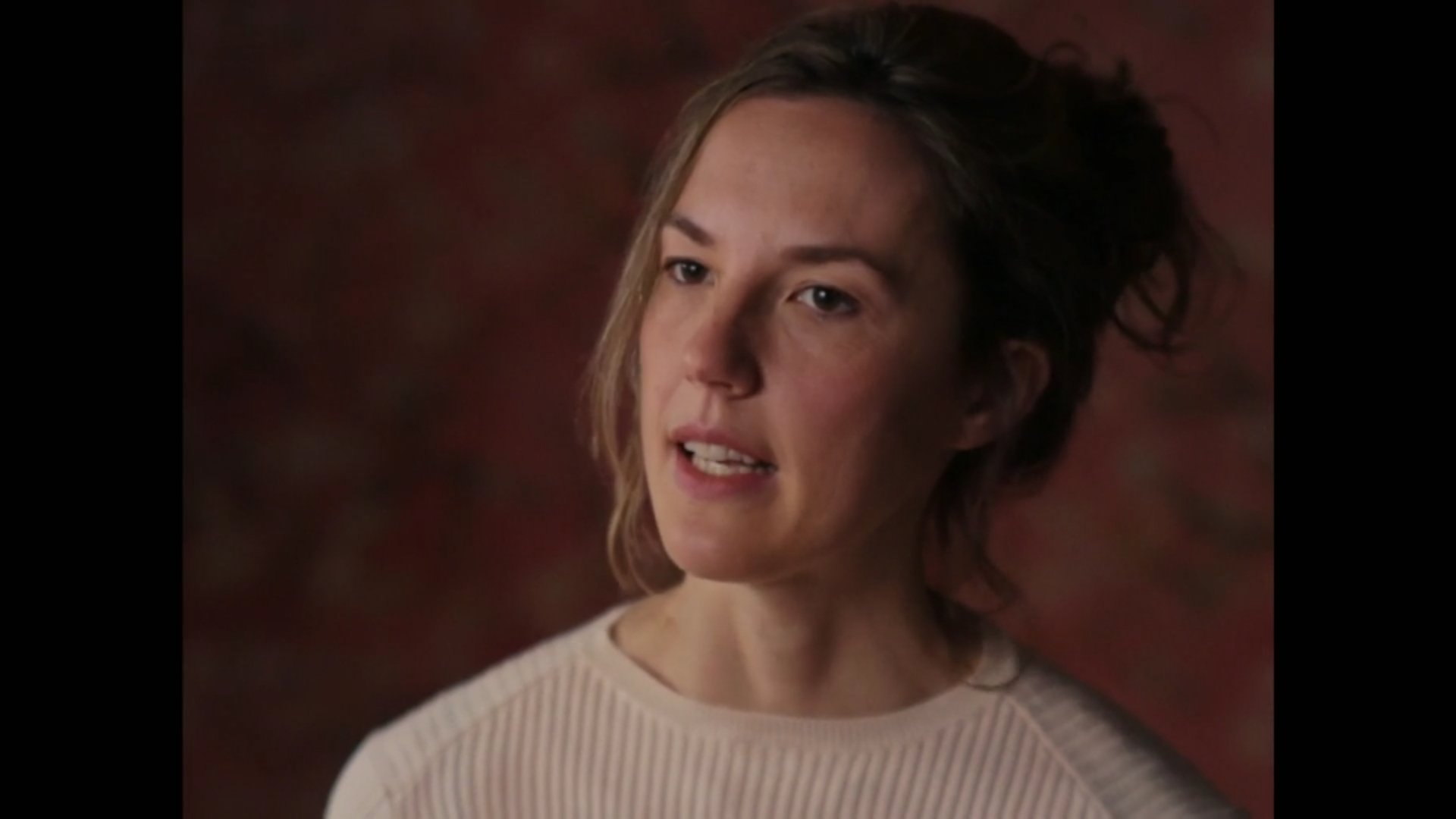
Intimate interview film in which three young women talk about the impact of choosing abortion. About the doubts, the shame and how this experience plays a role in their lives now. The film interweaves the interviews with powerful images that symbolize the different phases of their struggle.




No cast information.
Similar Movies
Women have always sought ways to terminate unwanted pregnancies, despite powerful patriarchal structures and systems working against them. This film provides a historical overview of how church, state and the medical establishment have determined policies concerning abortion. From this cross-cultural survey--filmed in Ireland, Japan, Thailand, Peru, Colombia, and Canada--emerges one reality: only a small percentage of the world's women has access to safe, legal operations.
"What Donald Trump’s win means for abortion, immigration, foreign policy, and more. "Donald Trump, the 45th president of the United States, will also be its 47th president. After voting him out of office in 2020, American voters changed their minds, opting for a return to his policies and his politics. "But the second Trump presidency will look very little like the first. His policies have evolved, his circumstances have changed, and he will be returning to office with a much more focused plan than the one he entered with eight years ago. "In this video, we ask six Vox reporters what we should expect from Trump’s second term, on topics from foreign policy to abortion" (Vox).
A look at the impact of an already very precarious maternal health state in the U.S. post-rescinding of Roe v. Wade, via the Supreme Court's Dobbs decision, reversing rights that women have been working so hard to fight for, and that will actually have a deep impact that we can't even see just yet in terms of the numbers of mortality and trauma as a result of those very draconian policies.
The mother and daughter face the question of whether to keep the pregnancy or terminate it. Both are under pressure from relatives, friends, and doctors. Both are going through a difficult decision-making process. Each episode of the artistic part shows the life circumstances and the path that a woman in a crisis situation goes through. In documentary inserts, representatives of various professions (psychologists, lawyers, gynecologists, clergymen) tell how they face the problem of abortion in their lives.
Women talk about the circumstances that drove them to seek illegal abortions and the often traumatic result. Interwoven with historical photographs and newsreel footage, the stories expose how the reality of women's lives were counterposed to what was socially and morally expected of them.
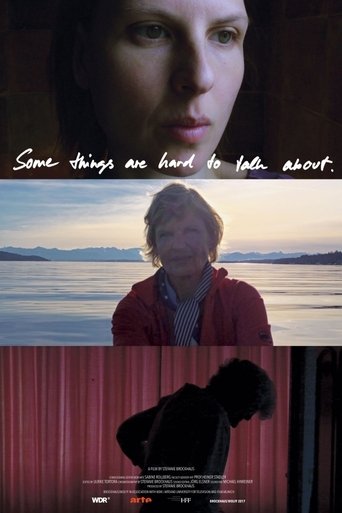
Some Things Are Hard To Talk About is a personal documentary about the secrets of abortions in my family over three generations. After I had an abortion I find out that both my mother and my grandmother secretly had abortions. An intricate story of family history, choices and resulting effects uncovers.
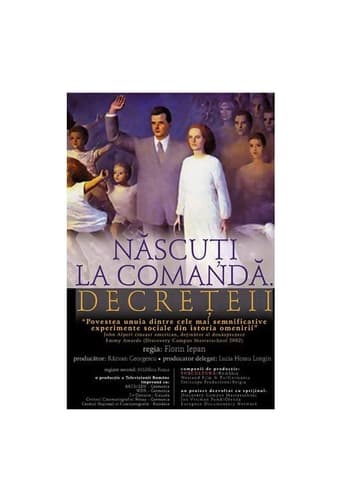
Procreation is the social duty of all fertile women, was the political thinking during the 1960s and 1970s in Romania. In 1966, Ceaucescu issued Decree 770, in which he forbade abortion for all women unless they were over forty or were already taking care of four children. All forms of contraception were totally banned. The New Romanian Man was born. By 1969, the country had a million babies more than the previous average. Romanian society was rapidly changing. By using very interesting archival footage and excerpts from old fiction films and by interviewing famous personalities from that time – gynecologists or mothers who were part of the new society - the director revives this period of tremendous oppression of personal freedom. Many deaths were caused by the mere fact that women, including wives of secret Romanian agents, famous TV presenters, and actresses, had to undergo illegal abortions. Many women were jailed for having them.
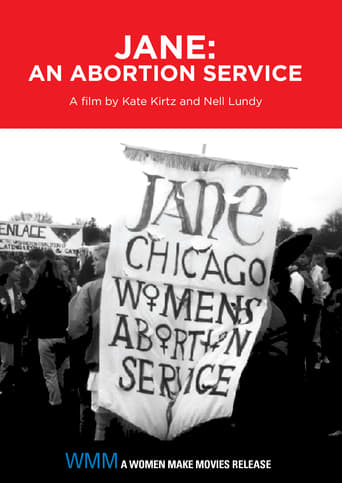
This fascinating political look at a little-known chapter in women's history tells the story of "Jane", the Chicago-based women's health group who performed nearly 12,000 safe illegal abortions between 1969 and 1973 with no formal medical training. As Jane members describe finding feminism and clients describe finding Jane, archival footage and recreations mingle to depict how the repression of the early sixties and social movements of the late sixties influenced this unique group. Both vital knowledge and meditation on the process of empowerment, Jane: An Abortion Service showcases the importance of preserving women's knowledge in the face of revisionist history. JANE: AN ABORTION SERVICE was funded by the Independent Television Service (ITVS) with funds provided by the Corporation for Public Broadcasting.
The bleached palette and home-movie aesthetics of Super 8 footage provide the image track for this testimonial about an illegal abortion in Mexico City in the 1960s, delivered in voiceover by the filmmaker’s mother. In its account of this intimate and disorienting memory, Lesser Choices summons a time of profound uncertainty—a moment from an era without rights—and offers a warning to the present.