

On Hold
Documentary
Overview
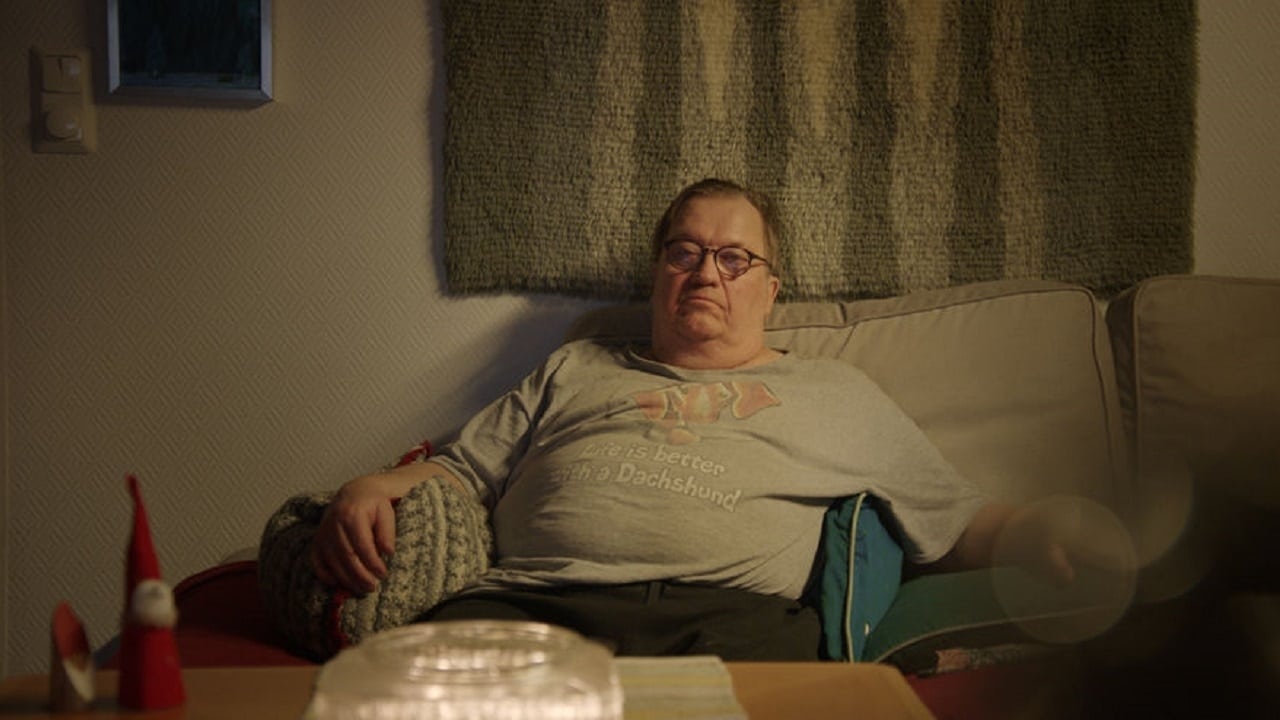
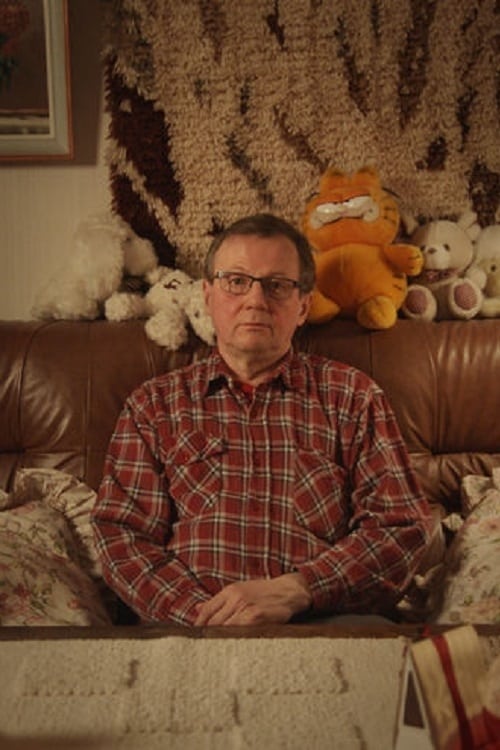
On the basis of anonymous telephone calls made to a helpline for teenagers, On Hold makes us hear a dissonant speech. Recounted here by older people, these testimonies are the occasion to question the construction of masculinity and its generational heritage. Between humour and dread, the film unveils what remains unsaid in a sick society.
Top Cast





Seppo Kotkanen
Seppo Kotkanen
Seppo Kotkanen
Hannu Luutonen
Hannu Luutonen
Hannu Luutonen
Topi Virtanen
Topi Virtanen
Topi Virtanen
Jukka Ukkonen
Jukka Ukkonen
Jukka Ukkonen
Vesku Santala
Vesku Santala
Vesku Santala
Rauno Koivunen
Rauno Koivunen
Rauno Koivunen
Risto Hartikainen
Risto Hartikainen
Risto Hartikainen
Anneli Koivunen
Anneli Koivunen
Anneli Koivunen
Kari Skogberg
Kari Skogberg
Kari Skogberg
Tuija von Konow
Tuija von Konow
Tuija von Konow
Similar Movies
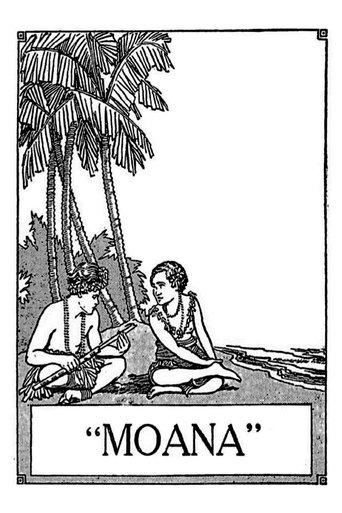
Robert J. Flaherty’s follow-up to Nanook of the North shifts from the Arctic to the South Seas, portraying Samoan village life with a painterly eye. Blending ethnographic detail with a romanticized “Gauguin idyll,” the film celebrates daily rituals, communal traditions, and the passage into adulthood, suffused with what Flaherty called “pride of beauty, pride of strength.”
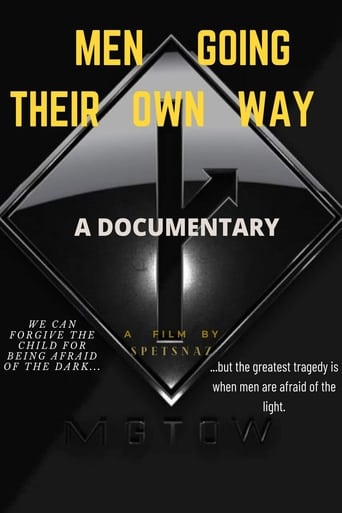
A film by Spetsnaz, narrated through a first person perspective, documenting his journey and the journeys of countless other men. "A Documentary Told in Four Chapters. Featuring many favorite content creators & some of the videos that impacted me the most in my journey. This Feature does not take a historical approach but is rather an expression of my experience discovering men going their own way content & the impact it had on my development. It is told from a personal individual perspective. I wanted to make this video to have closure on that chapter in my life & to leave a record of what was & what continues to evolve. The insights & shared experiences of men are more important now than ever. They certainly helped me."
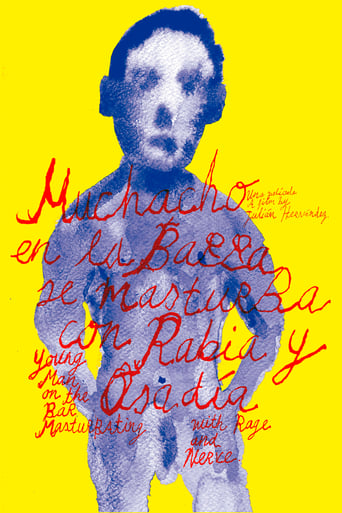
Dance and prostitution play the same role for Cristhian’s body. Virtuosity, desire, technique, and sex intertwine, granting coherence to a way of life that offers many answers to few questions. A leitmotiv that reconciles opposites and contradictions. Answers that are sometimes painful, like all truths.

For 18-year-old Finnish–Kosovan Fatu, a simple visit to the grocery store feels as nerve-racking as a lunar expedition: for the first time in his life, he’s wearing makeup in public. Luckily his best friend Rai, a young woman on the spectrum of autism, is there to ferociously support him through the voyage.
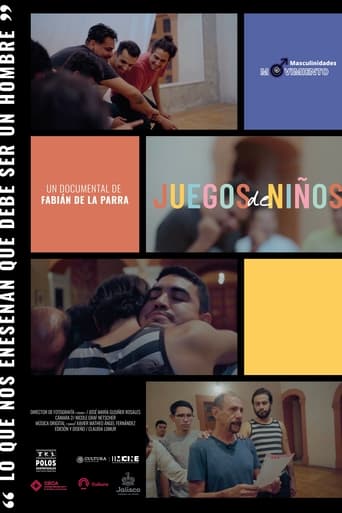
Jaime and Pablo explore and work on their identity by telling us about their experiences and participating in a masculinity theatrical laboratory where we will discover the conflict that led them to question their masculinity. This conflict forced them to question the games they taught us as boys, proposing different games where we learn to care for the people we love.
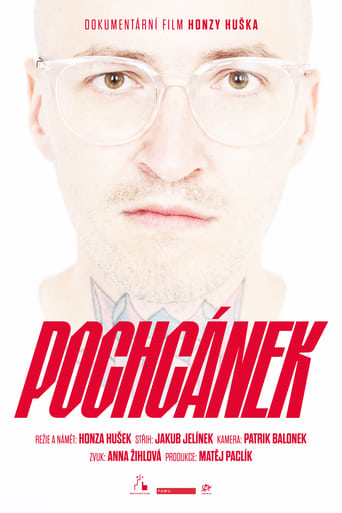
Men still have a privileged position. Yet the concept of a “crisis of masculinity” is increasingly permeating the media, with a loosening of roles and a growing uncertainty about what it means to be a man today. The director Jan Hušek also asks this question. He was still wetting himself by the age of thirteen, which earned him the unflattering nickname that is the film's title. In his open video diary, he captures the physical and spiritual transformation of his journey from boy to man. He returns to the woods and the roots of his childhood trauma. In doing so, he turns the camera on himself as well as on various teachers or his father. Perhaps the mark of adulthood, after all, is not overwrought masculinity, but the acceptance of his inner “pisspants”.
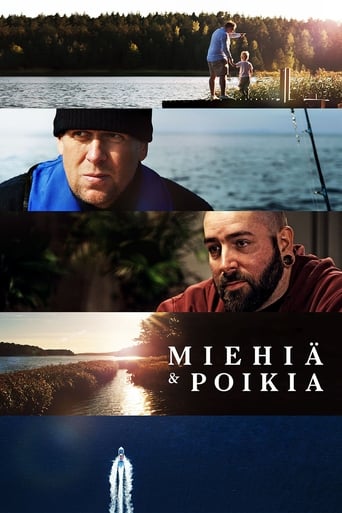
A lonely 40-year-old man sits on the balcony of a Finnish apartment building. Joonas Berghäll has learned that he will die in 14 years’ time, unless he changes his way of living or attitude towards life. Joonas wants to make a film about the state of wellbeing of Finnish men, drawing from his own experiences and mirroring the society at large. The film is built around six stories. It starts with the context of school and proceeds through the contexts of military service, custody battle, burnout and substance abuse to end on the subject of premature death caused by health problems.