

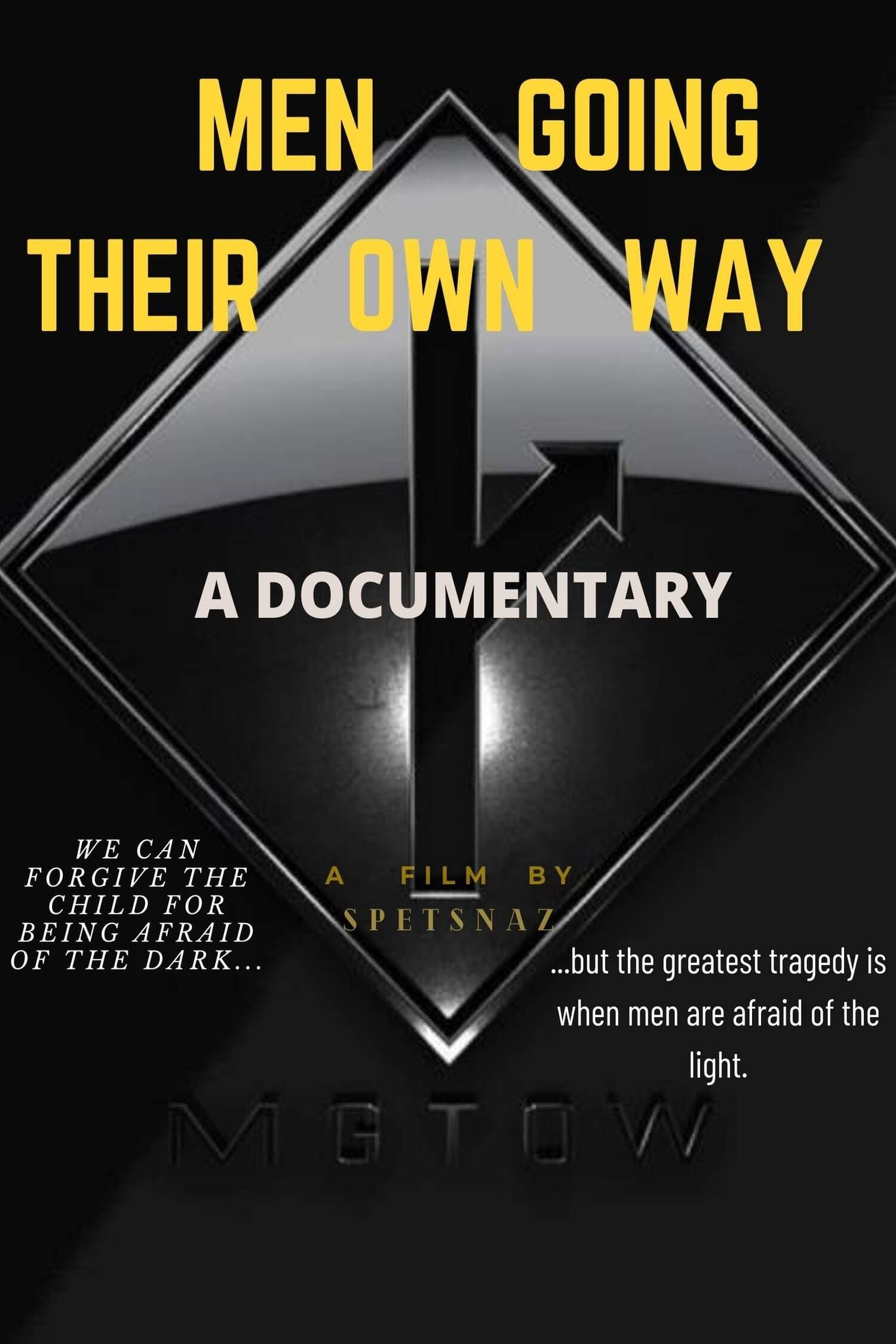
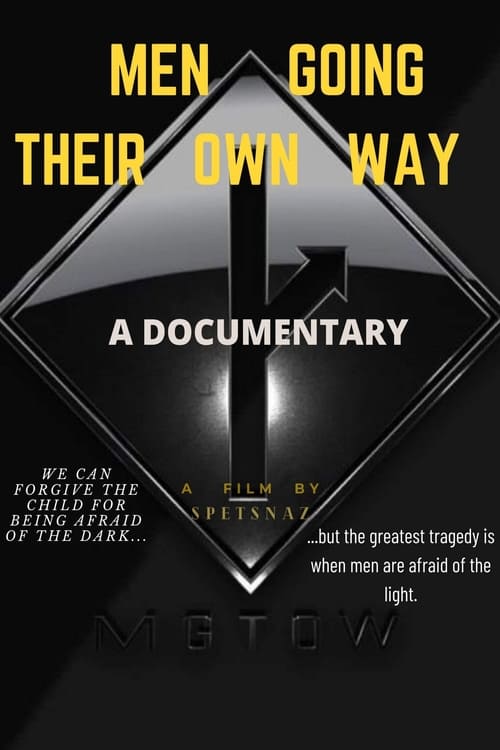
Men Going Their Own Way: A Documentary
Documentary
Overview
A film by Spetsnaz, narrated through a first person perspective, documenting his journey and the journeys of countless other men. "A Documentary Told in Four Chapters. Featuring many favorite content creators & some of the videos that impacted me the most in my journey. This Feature does not take a historical approach but is rather an expression of my experience discovering men going their own way content & the impact it had on my development. It is told from a personal individual perspective. I wanted to make this video to have closure on that chapter in my life & to leave a record of what was & what continues to evolve. The insights & shared experiences of men are more important now than ever. They certainly helped me."




No cast information.
Similar Movies

A critique of liquid love through sarcasm and crude humor. With the desire that the viewer empathize with the protagonists and reflect on the ephemerality of sexual-affective relationships in modern society. At the end of the short film, the transformation of people into mere consumer goods will be clear, which, once they have been used, are discarded
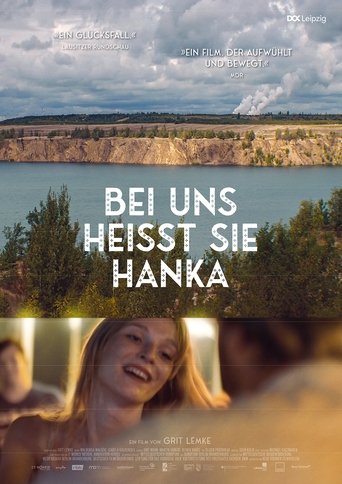
A green lawn like an unused carpet, encircled by a neat forest edge, in the background the steaming cooling towers of a coal power station – impressionistic camera images from Lusatia. They summarise in one pan how a used-up utilitarian landscape is trying to recultivate itself. Can ancient identity and language be re-discovered amid this strange artificiality? The director travelled through this region in search of her origins. She was born here, in Lusatia. This is her home and that of the smallest of all Slavic peoples: the Sorbs.

Bastien is twenty years old and has been an activist for five years in the main extreme right party. When the presidential campaign begins, he's invited by his superior to commit even further. Initiated into the art of decking himself out like a politician, he starts to dream of a career, but old demons surge forth...
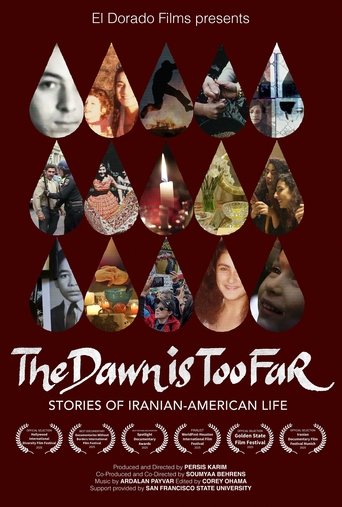
The Dawn is Too Far: Stories of Iranian-American Life poetically narrates the story of a community of Iranian Americans who have made the San Francisco Bay Area their home over the past five decades. The film explores Iranian immigration through turbulent histories of dissent, revolution, war, and separation, and the reinvention of identity in a new land and culture. The Dawn is Too Far highlights how Iranian students, activists, and artists have navigated displacement while drawing on and influencing Bay Area culture. This community offers a more nuanced story of the Iranian diaspora—the ways that this community enriches the region where they live, work, and build families. The Dawn is Too Far undermines the tired and overplayed news headlines that are dominated by narratives of enmity and mistrust between the government of Iran and the U.S., to offer a more humane understanding of the how people's lives and the sacrifices they make are part of the larger story of immigration.
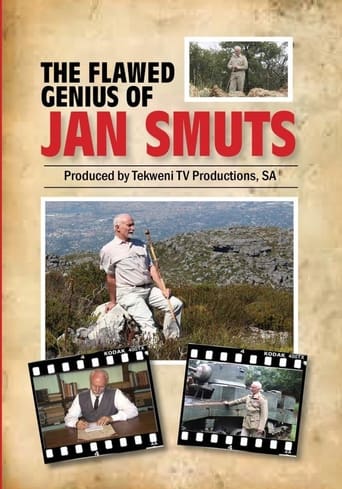
Jan Smuts is a foremost political figure in South African 20th Century History, and is recognised today by two of the world's leading historians as being at the very centre of the vision for a new world order that emerges from the League of Nations and the United Nations.. Yet, he is virtually persona non grata in his own country.... and largely ignored in school history books. This one hour drama-documentary, with its dramatised cameo scenes in which his look-alike grandson takes on the role of Jan Smuts, battle re-enactments, historical archival footage, comments from historians, political analysts, and South African political struggle heroes, looks back on his life and the circumstances that shaped it in search of some answers.
For a series of programs made for TV Fnac, Philippe Grandrieux meets different people who tell us, each in their own point of view, a story of images. After Paul Virilio (The World is an image) and before Jean-Louis Schaeffet, Le Trou noir (AKA The Black Hole) gives us the enlightened reflections of psychanalyst Juan David Nasio about real and reality.
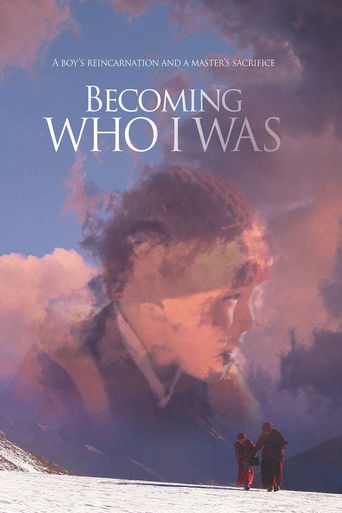
Angdu is no ordinary boy. Indeed, in a past life he was a venerated Buddhist master. His village already treats him like a saint as a result. The village doctor, who has taken the boy under his wing, prepares him to be able to pass on his wisdom. Alas, Tibet, Angdu’s former homeland and the centre of his faith, lies far away from his current home in the highlands of Northern India. On top of that, the conflict between China and Tibet makes the prospect of a trip there even more daunting. Undeterred by these harsh facts, the duo set off for their destination on foot, accompanied by questions of friendship and the nature of life. With its narrative approach steeped in a serene sense of concentration, this documentary film, composed over a period of eight years, stands as a fundamental experience in its own right.