

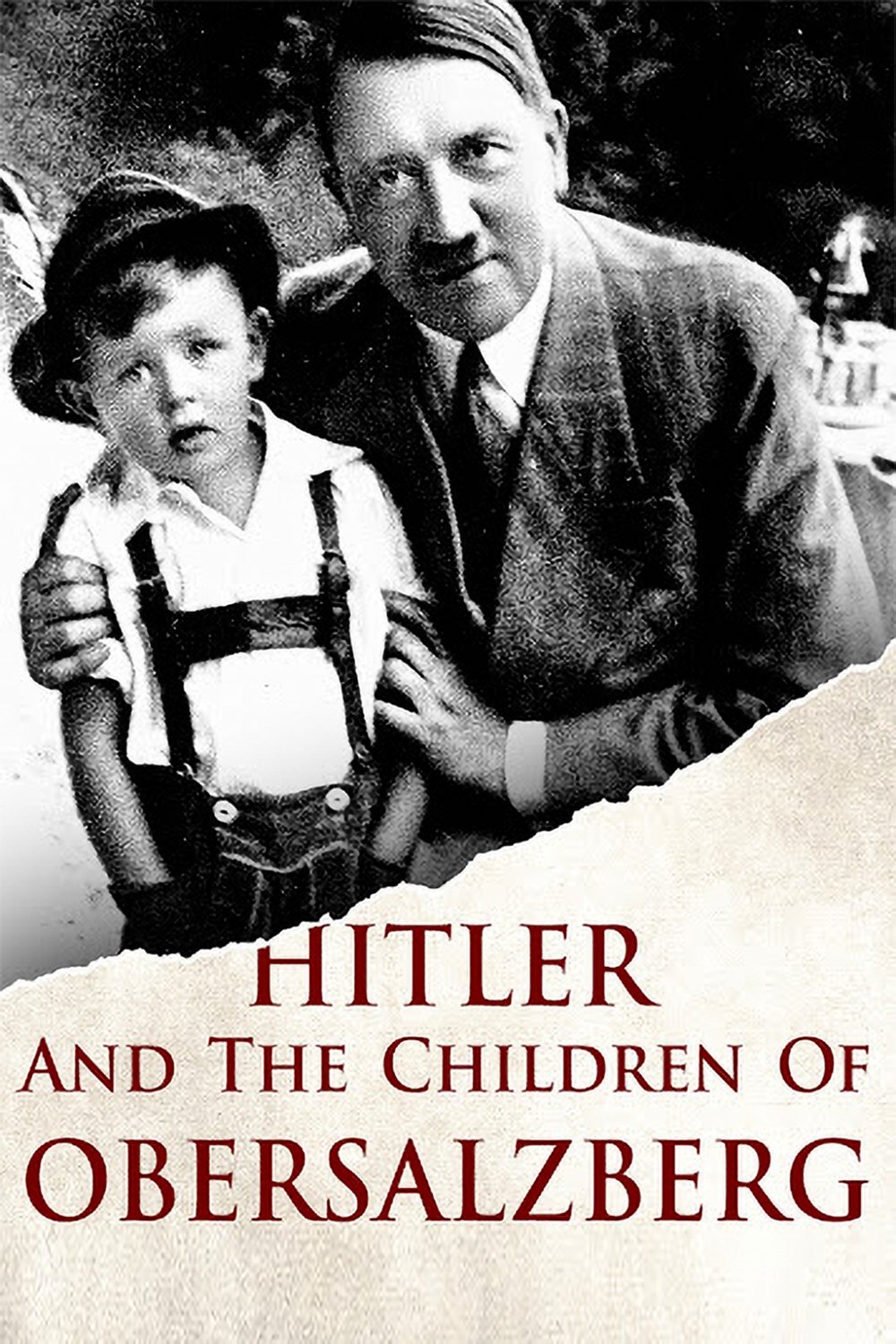
Hitler and the Children of Obersalzberg
Documentary · History
Overview
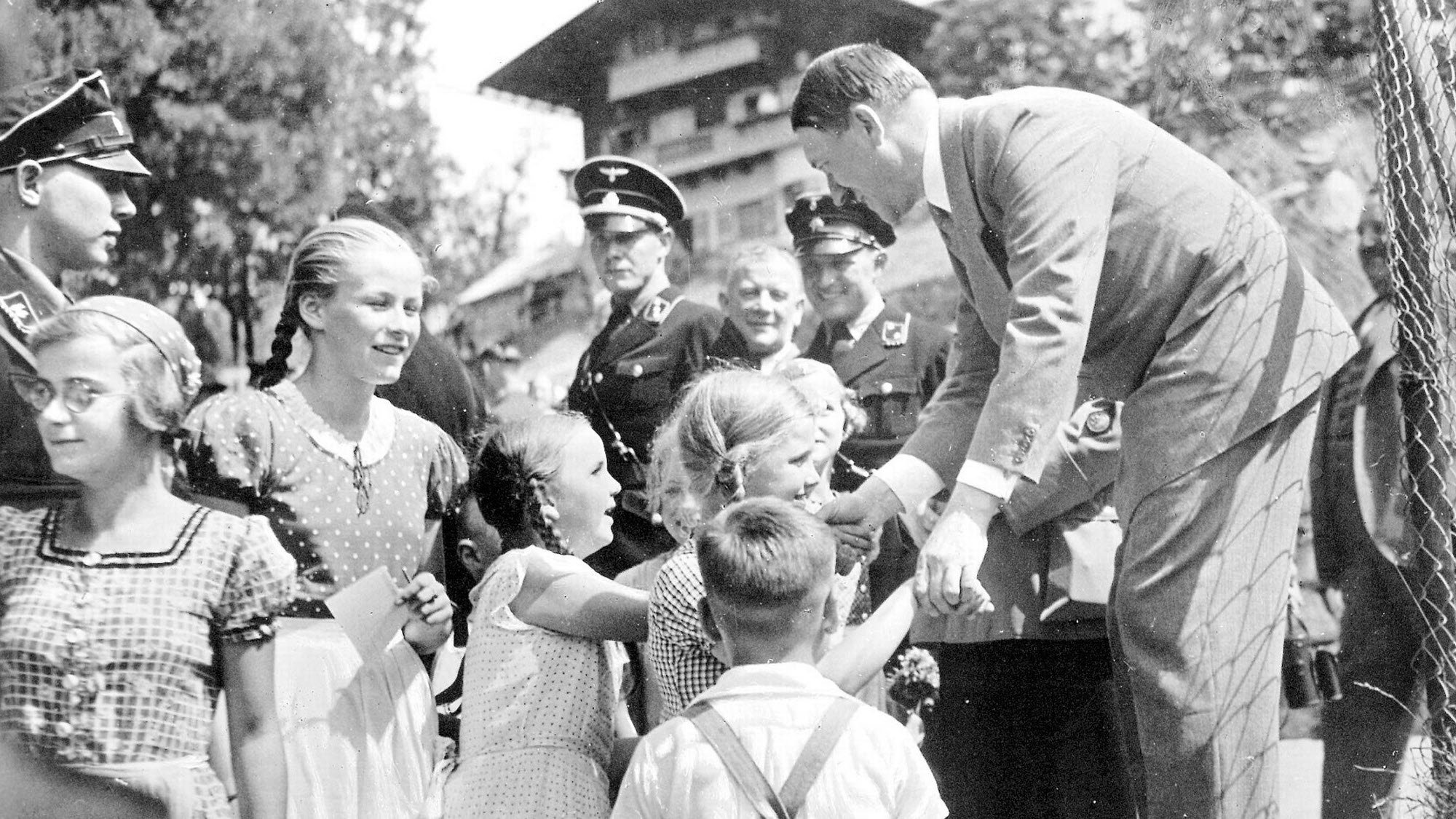
The Obersalzberg retreat was the summer residence and retreat of Adolf Hitler, Eva Braun and his closest confidants in the Nazi regime. The public are mainly familiar with fi lm footage and photographs from the alleged Nazi idyll. For the first time, eye witnesses are willing to talk about their experiences in Obersalzberg.
Top Cast
Gerhard Bartels
Self - Berchtesgaden
Marga Benkert
Self - Berchtesgaden
Axel Drecoll
Self - Institute for Contemporary History
Matthias Eder
Self - Berchtesgaden
Albert Feiber
Self - Institute for Contemporary History
Sonja Herzl
Self - Institute for Contemporary History
Adolf Hitler
Self (archive footage)
Herbert Holzer
Self - Salzburg
Zdenek Hulka
Self - Former Forced Laborer
Emma Ponn
Self - Berchtesgaden
Ludwig Schröer
Self - Berchtesgaden
Franz Stangassinger
Self - Berchtesgaden


Gerhard Bartels
Gerhard Bartels
Self - Berchtesgaden
Gerhard Bartels
Self - Berchtesgaden
Marga Benkert
Marga Benkert
Self - Berchtesgaden
Marga Benkert
Self - Berchtesgaden
Axel Drecoll
Axel Drecoll
Self - Institute for Contemporary History
Axel Drecoll
Self - Institute for Contemporary History
Matthias Eder
Matthias Eder
Self - Berchtesgaden
Matthias Eder
Self - Berchtesgaden
Albert Feiber
Albert Feiber
Self - Institute for Contemporary History
Albert Feiber
Self - Institute for Contemporary History
Sonja Herzl
Sonja Herzl
Self - Institute for Contemporary History
Sonja Herzl
Self - Institute for Contemporary History
Adolf Hitler
Adolf Hitler
Self (archive footage)
Adolf Hitler
Self (archive footage)
Herbert Holzer
Herbert Holzer
Self - Salzburg
Herbert Holzer
Self - Salzburg
Zdenek Hulka
Zdenek Hulka
Self - Former Forced Laborer
Zdenek Hulka
Self - Former Forced Laborer
Emma Ponn
Emma Ponn
Self - Berchtesgaden
Emma Ponn
Self - Berchtesgaden
Similar Movies
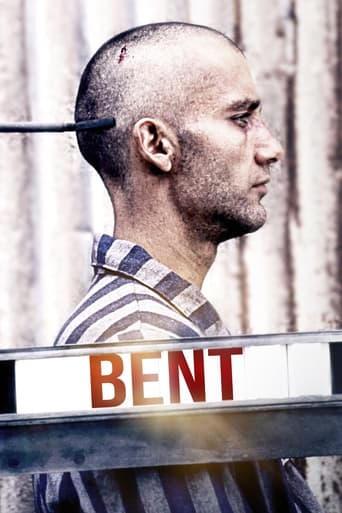
Max is a handsome young man who, after a fateful tryst with a German soldier, is forced to run for his life. Eventually Max is placed in a concentration camp where he pretends to be Jewish because in the eyes of the Nazis, gays are the lowest form of human being. But it takes a relationship with an openly gay prisoner to teach Max that without the love of another, life is not worth living.
Chronicles combat action of Hitler's elite bodyguard regiment from 1940 to 1941. From Rotterdam to Greece, German frontline cameramen captured footage of early victorious campaigns. Scenes of camp life and ceremonies convey an impression of the comradeship, pride, and elan of this mighty military formation.
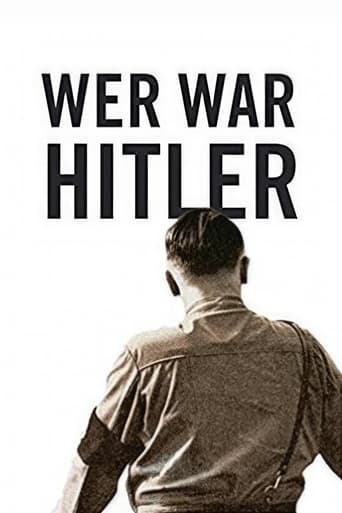
Hitler's biography told like never before. Besides brief historical localizations by a narrator, only contemporaries and Hitler himself speak: no interviews, no reenactment, no illustrative graphics and no technical gadgets. The testimonies from diaries, letters, speeches and autobiographies are assembled with new, often unpublished archive material. Hitler's life and work are thus reflected in a unique way in interaction with the image of the society in the years 1889 to 1945.
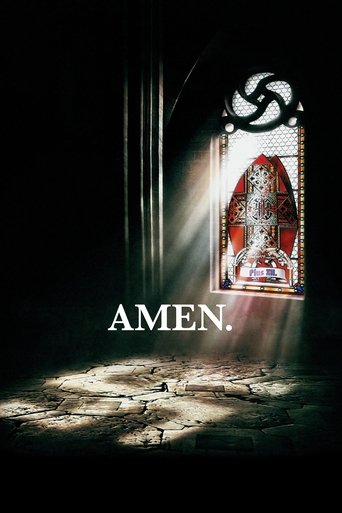
Kurt Gerstein—a member of the Institute for Hygiene of the Waffen-SS—is appalled to discover that a poison gas he helped discover is being used to kill Jews. Driven by his conscience to alert the rest of the world, Gerstein teams up with a young Jesuit priest, Riccardo Fontana, but their protestations fall on deaf ears in the Vatican.
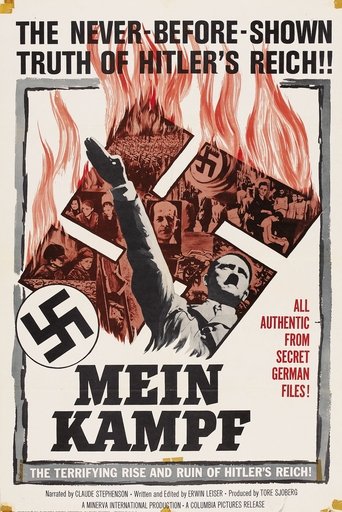
Using exclusively archival footage, Erwin Leiser traces the rise and collapse of the Third Reich, from Adolf Hitler’s early years to the devastation of Europe and his suicide in 1945. The film draws heavily on material produced and preserved by the Nazi propaganda apparatus to confront the mechanisms, imagery, and consequences of totalitarian power.
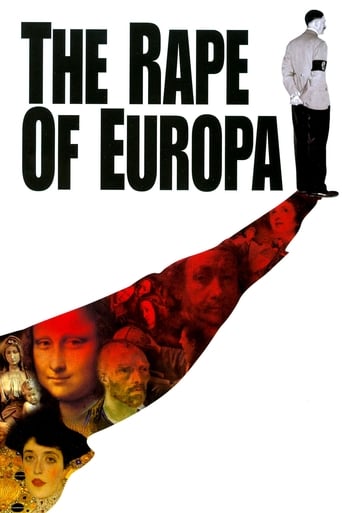
World War II was not just the most destructive conflict in humanity, it was also the greatest theft in history: lives, families, communities, property, culture and heritage were all stolen. The story of Nazi Germany's plundering of Europe's great works of art during World War II and Allied efforts to minimize the damage.

THE ARYANS is Mo Asumang's personal journey into the madness of racism during which she meets German neo-Nazis, the US leading racist, the notorious Tom Metzger and Ku Klux Klan members in the alarming twilight of the Midwest. In The ARYANS Mo questions the completely wrong interpretation of "Aryanism" - a phenomenon of the tall, blond and blue-eyed master race.
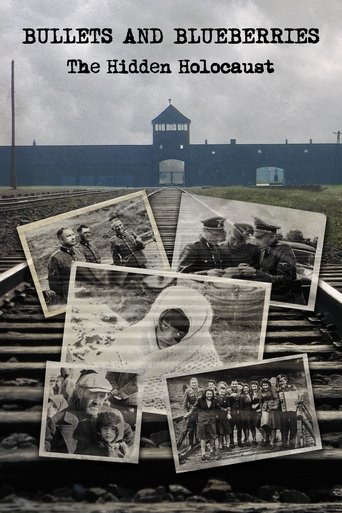
The Holocaust began with the indiscriminate mass shootings by the Einsatzgruppen in the bloodlands of Eastern Europe and was perfected in the gas chambers at Auschwitz. “Bullets And Blueberries” explores the motives, methods and madness of the perpetrators, using never-before-seen images captured by the killers themselves — images that fully capture the banality of evil.