

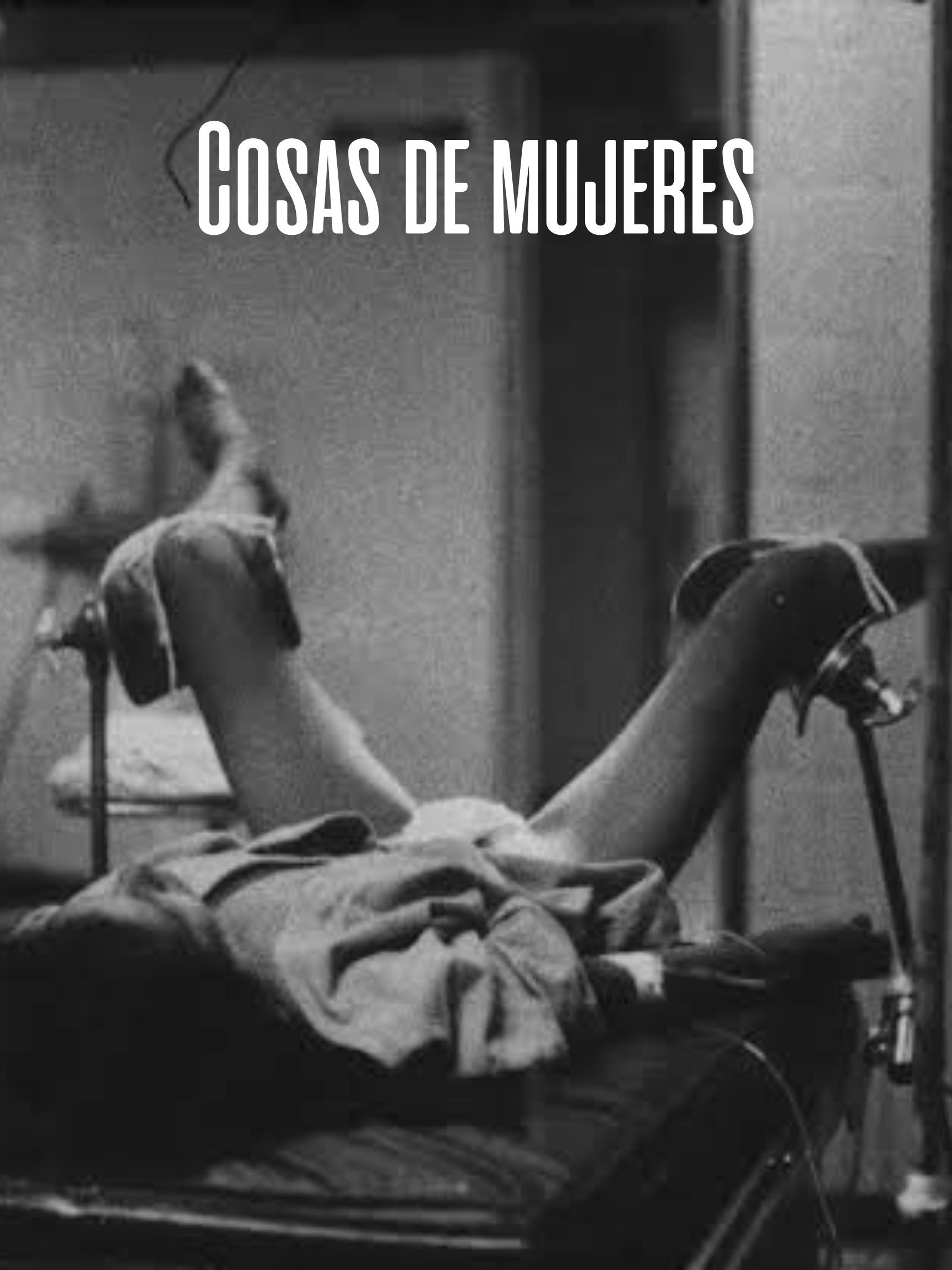
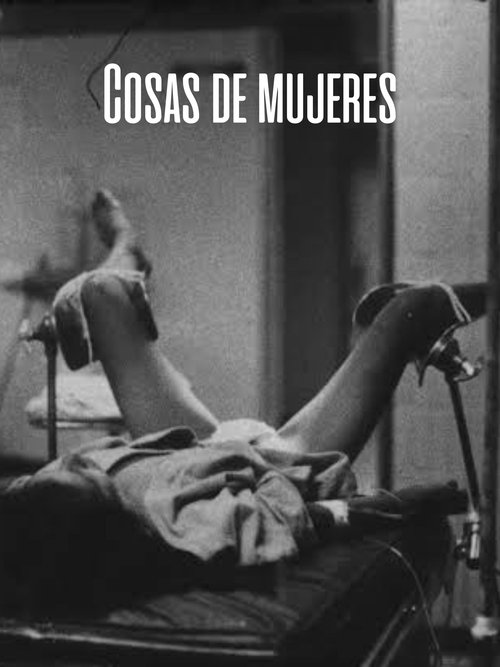
Women's Things
Documentary · Drama
Overview
A young sociology student has an unintended pregnancy and is subjected to the terrible humiliation of an incompetent doctor. The girl falls ill from the poorly performed abortion and is taken by a friend to the General Hospital. Film that reports clandestine abortion in Mexico, with interviews with women who have had abortions in that hospital and shocking maternal death statistics from procedures carried out under unsafe conditions.



Patricia Luke
Patricia Luke
Patricia Luke
Ángeles Necoechea
Ángeles Necoechea
Ángeles Necoechea
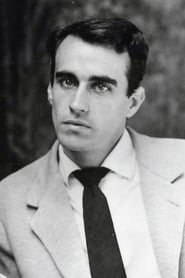
Martin LaSalle
Martin LaSalle
Martin LaSalle
Similar Movies
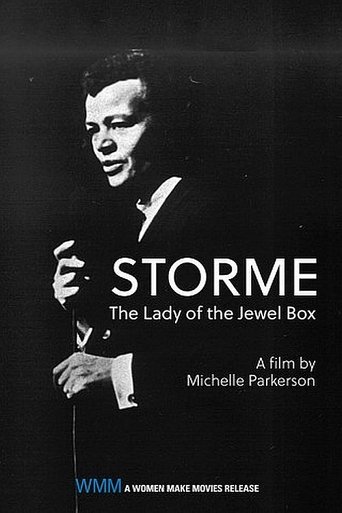
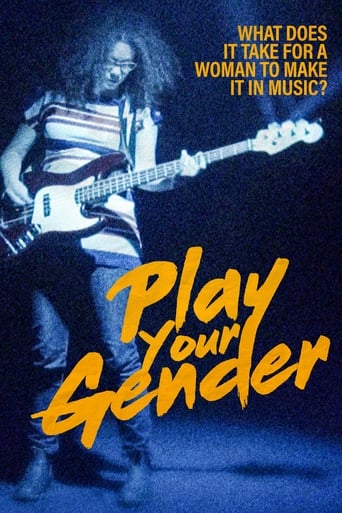
“It ain’t easy…being green” is the favorite expression of Stormé DeLarverie, a woman whose life flouted prescriptions of gender and race. During the 1950s and '60s she toured the black theater circuit as a mistress of ceremonies and the sole male impersonator of the legendary Jewel Box Revue, America’s first integrated female impersonation show and forerunner of La Cage aux Folles.
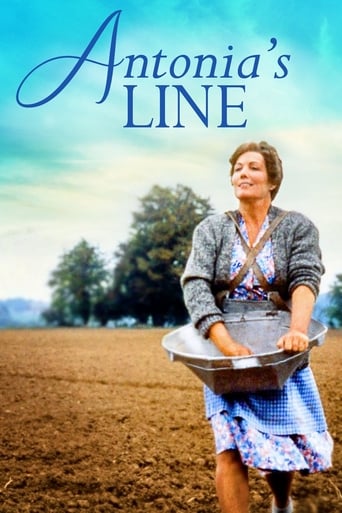
After World War II, Antonia and her daughter, Danielle, go back to their Dutch hometown, where Antonia's late mother has bestowed a small farm upon her. There, Antonia settles down and joins a tightly-knit but unusual community. Those around her include quirky friend Crooked Finger, would-be suitor Bas and, eventually for Antonia, a granddaughter and great-granddaughter who help create a strong family of empowered women.
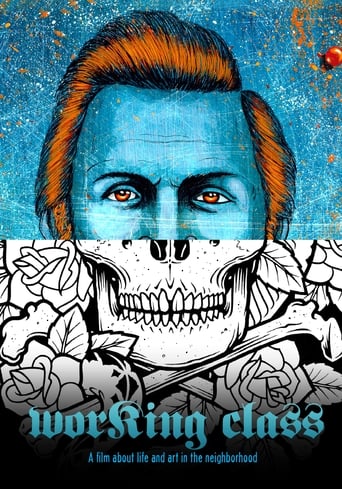
Loosely based on Charles Dicken’s book “A Tale of Two Cities”, Working Class tells the tale of underground street artists Mike Giant and Mike Maxwell and their decade long friendship that started with a tattoo. The story is told through the cities they call home by, cutting back and forth between the neighborhoods of San Francisco and San Diego, as the artists talk about their life philosophies and the work they create.
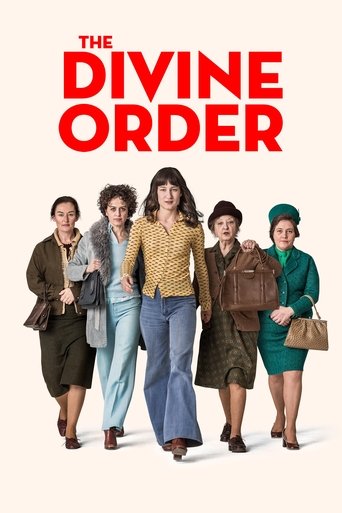
Nora is a young housewife and mother, living in a quaint little village with her husband and their two sons. The Swiss countryside is untouched by the major social upheavals the movement of 1968 has brought about. Nora’s life is not affected either; she is a quiet person who is liked by everybody – until she starts to publicly fight for women’s suffrage, which the men are due to vote on in a ballot on February 7, 1971.
Set in grey space, the film tells us the story of a young girl named Jahnvi sitting alone in a dark, single room carrying multiple thoughts about her beloved and her relationship with him. Her chain of thought breaks when her friend Aman enters the scene who is happy and eager, differing from her low and gloomy mood and silent state. Towards the end, Jahnvi finally breaks her silence, only to reveal the shocking truth of her relationship and society.
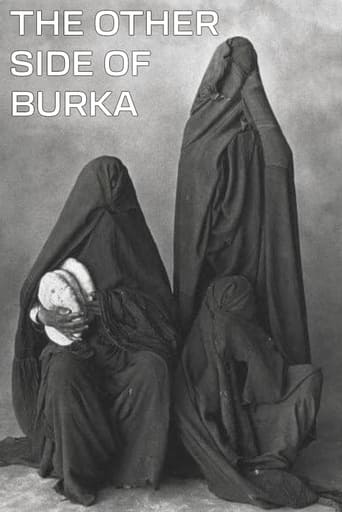
The Other Side of Burka is a 2004 Iranian documentary directed by Mehrdad Oskouei. In the southern island of Qeshm, Iran, which is a very strict region in point of tradition and African-Arabic rules, all women are under the pressure of patriarch society. Their sufferance is manifested by different mental (Zar, Possession) and physical diseases which must be only treated by Zar Ceremony. For the first time, despite the danger these women face, this film tells us the sad story of their life and shows their confection in front of the camera. It tries to be an honest mirror which reflects their sufferance and unveils their Burka to reveal their real characters.