

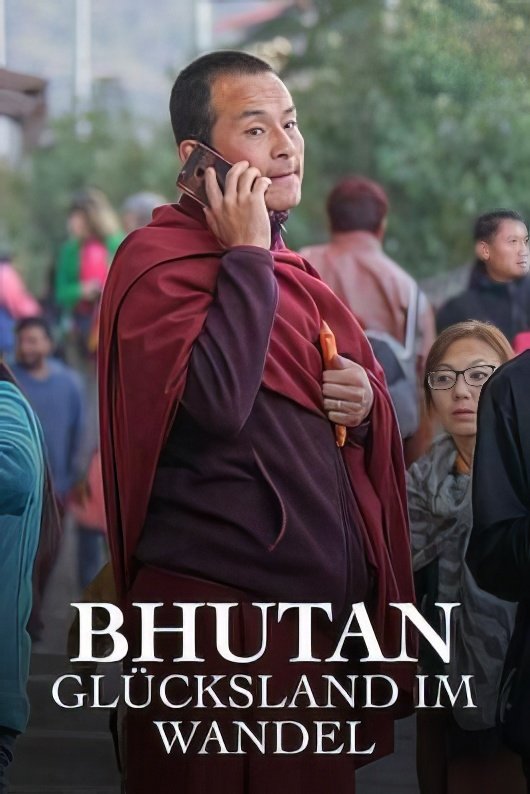
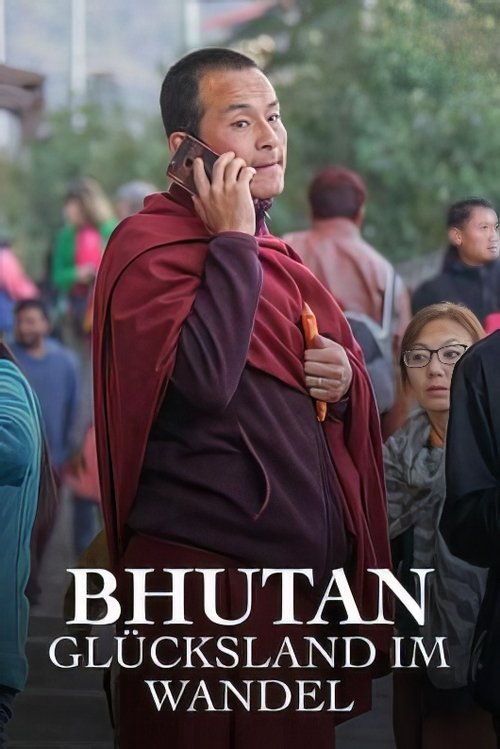
Bhutan - Glücksland im Wandel
Documentary
Overview
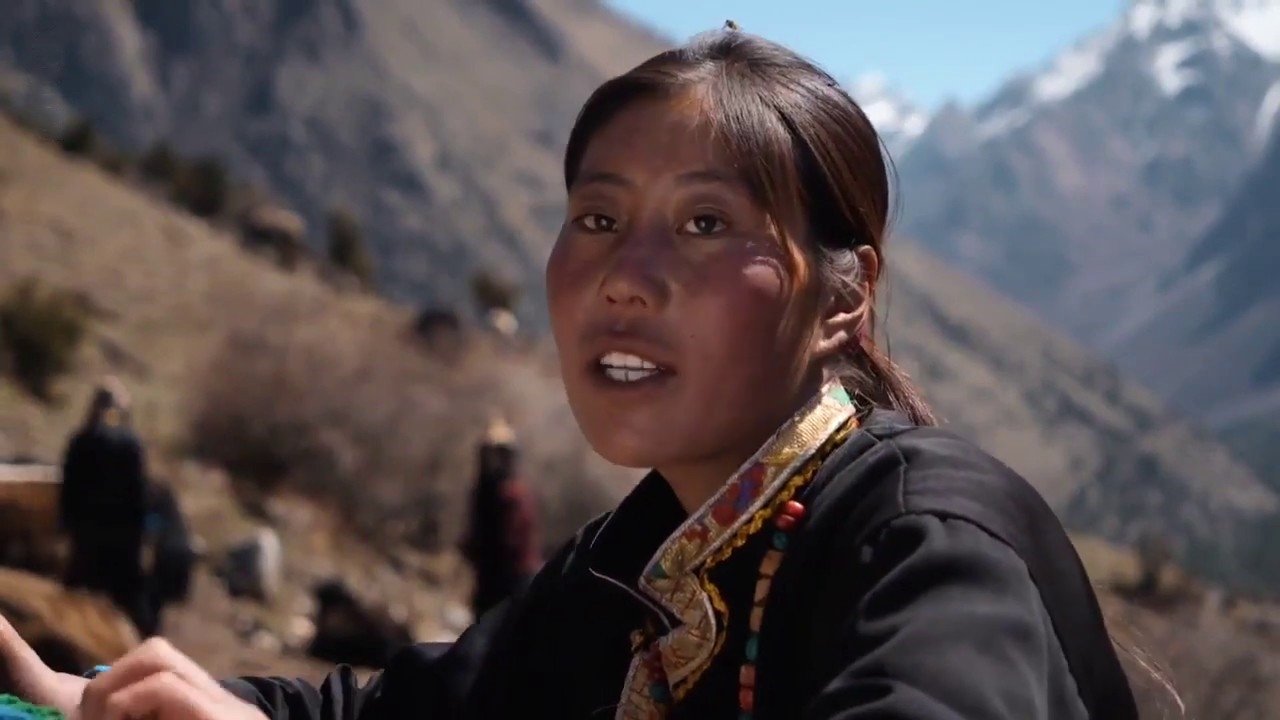
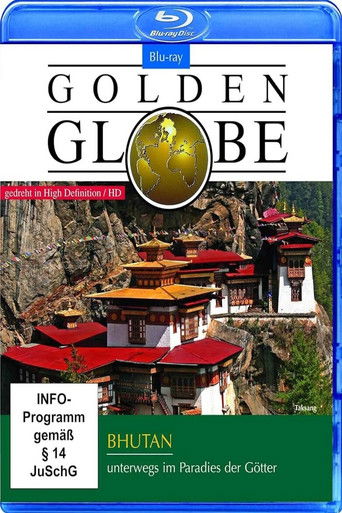
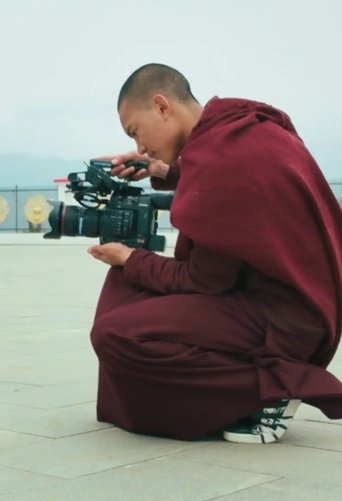
It was only in the 2000s that the population of Bhutan discovered television and the Internet, as well as the first democratic elections. Near the capital Thimphou, one of the fastest-developing cities in Southeast Asia, live some 20,000 nomadic yak herders.

No cast information.
Similar Movies
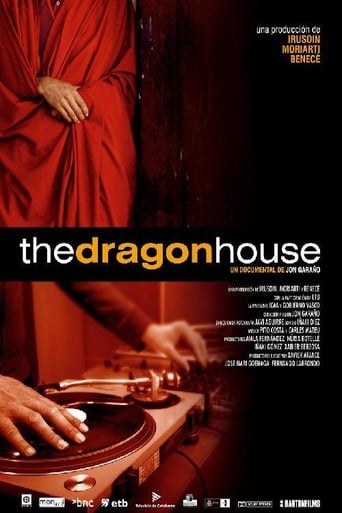
The Dragon House portrays the confrontation between tradition and modernity which the Kingdom of Bhutan is currently experiencing. This is done by means of two Bhutanese characters: a young Buddhist monk, heir to the local tradition, and the first disc jockey to dare to play House and Techno music in the small Himalayan kingdom.
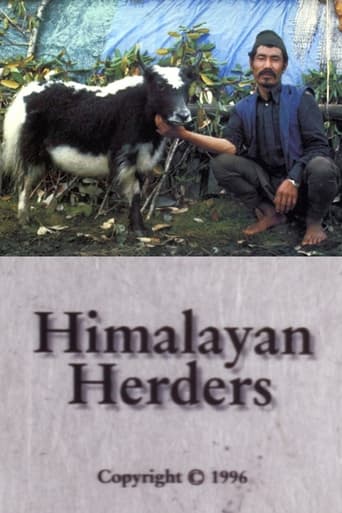
John Bishop and Naomi Bishop present a portrait a peculiar life style of the Himalayan indigenous Sherpa people in their documentary , the Himalayan Herders. The 76 minutes long film is about the diverse culture and life style of herders community near Mt. Everest region of Nepal.The film was made in 1997 as a part of Case Studies in Cultural Anthropology Series.
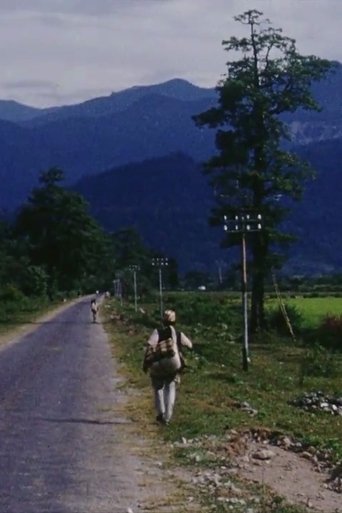
The film opens with general views and shows building works and Sherpas loading up. Scenes of threshing and a campsite, with Sherpas and huts. A settlement is then shown, including people weaving. Scenes of walking in towards the mountains and climbing in the foothills. More threshing scenes and the film ends with shots of the mountains and village.
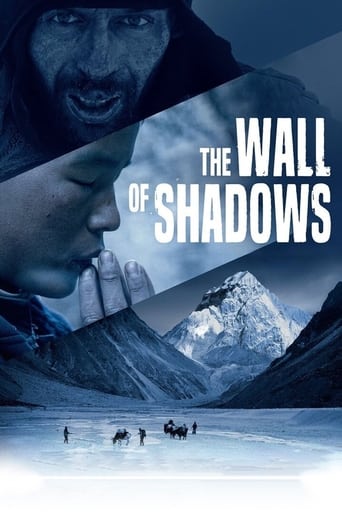
A Sherpa family breaks a taboo and climbs the most holy of mountains to earn money for their son’s education. They accompany a western expedition on East Wall of the Khumbakarna Mountain, a wall that has never been climbed before. ‘The Wall of Shadows’ tells the story of an encounter between a young Sherpa boy and an experienced western mountaineer at the foot of the sacred mountain. Will they face the wrath of mountain Gods?
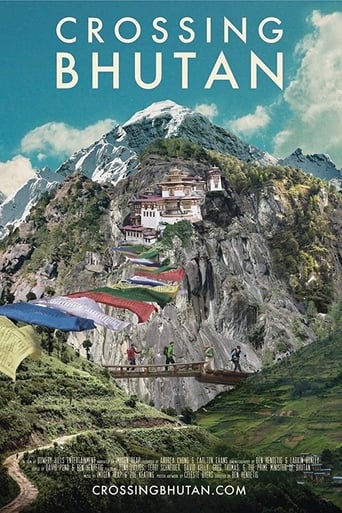
Bhutan is known as the last Himalayan Buddhist Kingdom and one of the happiest places on earth. 'Crossing Bhutan' tells the story of four veteran athletes and their journey to explore Bhutan’s enigmatic policy of Gross National Happiness by making the first 485-mile, border-to-border crossing of this isolated kingdom entirely by foot and bike.
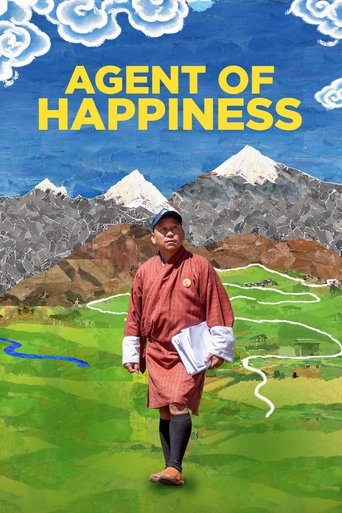
The documentary team follows two happiness agents in their forties who spend a month and a half on the road twice a year, going door-to-door with their questionnaires in isolated villages in the Himalayas. The filmmakers undertake to provide an intimate insight into the daily lives and desires of Bhutanese people, and also seek the answer to the universal question of whether happiness can really be measured. Gross National Happiness promises a heart-warming journey into a mysterious, fairytale-like world, which is the exact opposite of the social order dominated by consumption and desires.
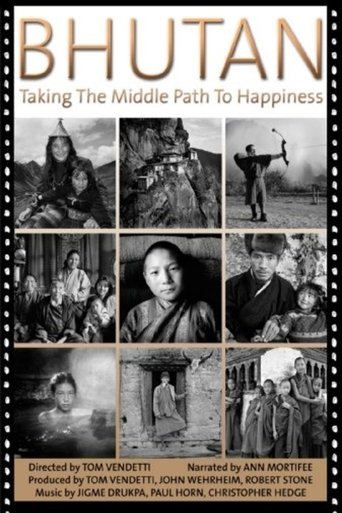
Imagine a country where happiness is the guiding principle of government. Imagine a people who see all life as sacred and the source of their happiness, a place with an abundance of clean and renewable energy, a nation committed to preserving its culture and whose progress is measured by obtaining Gross National Happiness for its people. Where is this Shangri-La? Bhutan. But can a place like Bhutan really exist? Can such ideals be realized? Can this small, geographically isolated country tucked away in the Himalayans truly protect its environment and culture as they open their doors to the West? The answer is rooted in the Bhutanese view of the world, anchored in Buddhism, with the simple message that happiness can only be found by taking the middle path the path that balances the needs of man with the powerful spirits of nature.
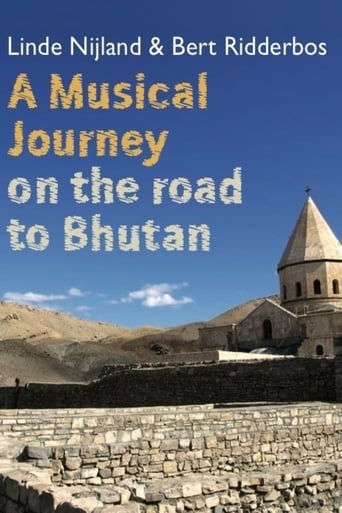
The Frisian singer Linde Nijland was always fond of the combination of traveling and singing. An invitation to listen to a concert in honor of the coronation of the fifth king of Bhutan was the ideal occasion in 2008 to make a months-long journey through South East together with multi-instrumentalist Bert Ridderbos.