

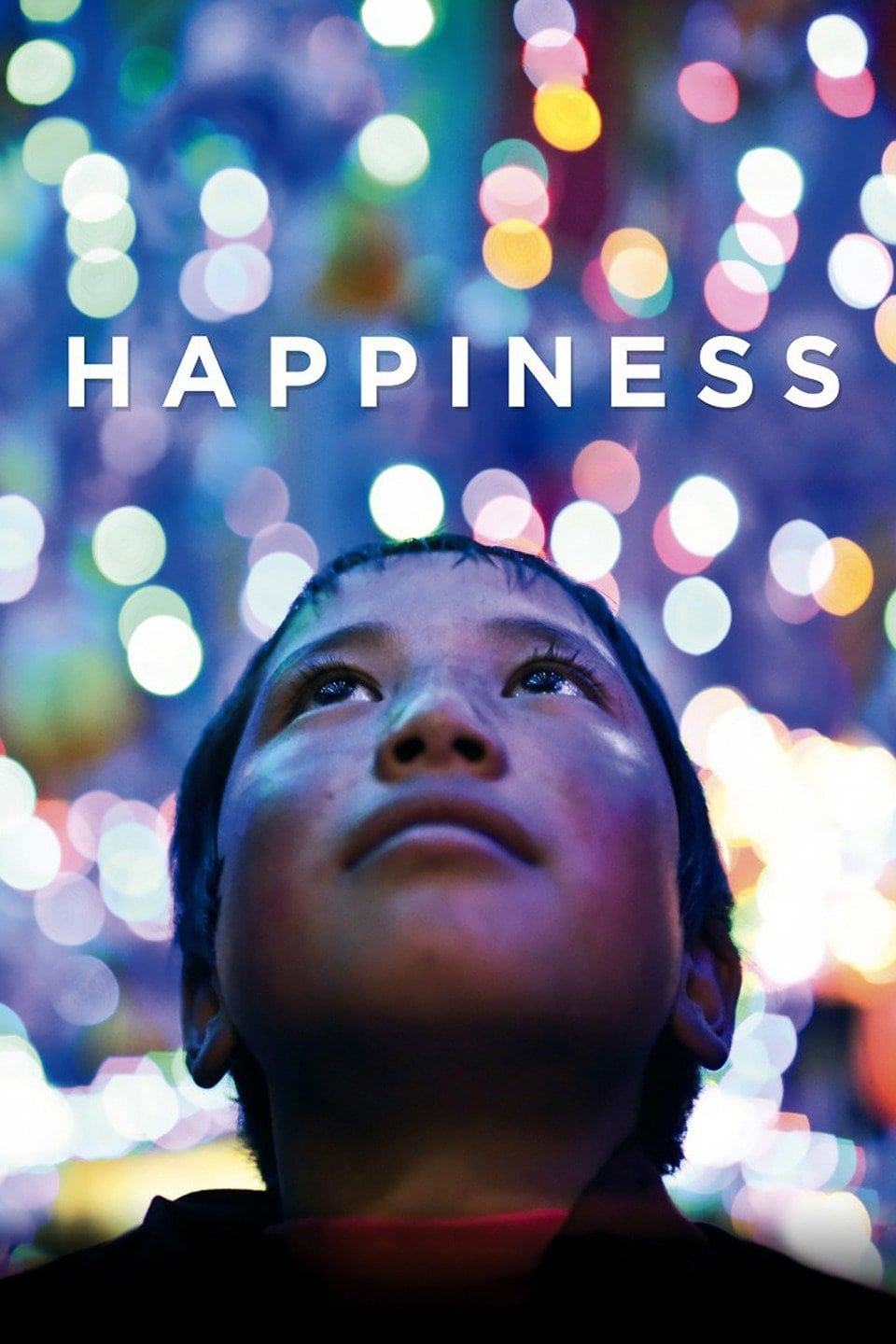
Happiness
Documentary
Overview
Peyangki is a dreamy and solitary eight-year-old monk living in Laya, a Bhutanese village perched high in the Himalayas. Soon the world will come to him: the village is about to be connected to electricity, and the first television will flicker on before Peyangki's eyes.
Top Cast

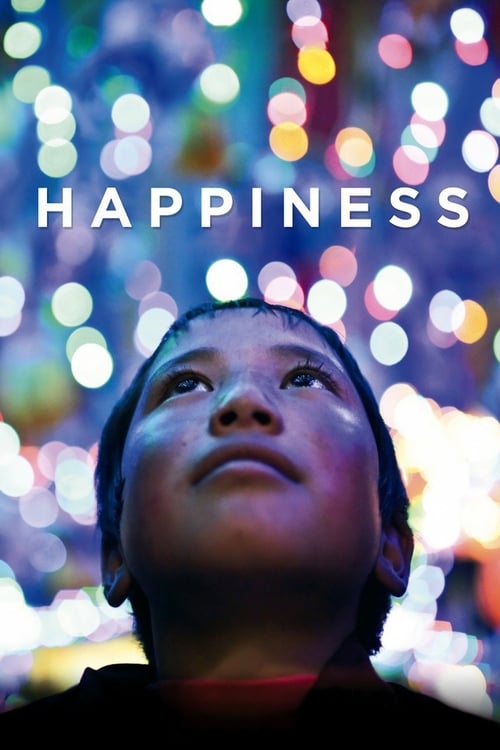
Peyangki
Peyangki
Himself
Peyangki
Himself
Kinley Om
Kinley Om
Himself, Peyangki's uncle
Kinley Om
Himself, Peyangki's uncle
Ap Kinley Dorji
Ap Kinley Dorji
Ap Kinley Dorji
Aum Thinley Dolma
Aum Thinley Dolma
Aum Thinley Dolma
Sangay Thinley
Sangay Thinley
Sangay Thinley
Rinchen
Rinchen
Rinchen
Leki
Leki
Leki
Pyago
Pyago
Pyago
Choki
Choki
Herself, Peyangki's sister
Choki
Herself, Peyangki's sister
Chencho Thinley
Chencho Thinley
Chencho Thinley
Similar Movies
The influential life and powerful messages of Vietnamese Buddhist monk Thich Nhat Hanh are explored in this biographical documentary. For more than 50 years, this amazing social activist has preached self-awareness and compassion for all living beings. Follow him as he travels through France and the United States—including a stop at the Vietnam War Memorial in Washington, D.C.—spreading peace by teaching mindfulness and forgiveness.
Street art, creativity and revolution collide in this beautifully shot film about art’s ability to create change. The story opens on the politically charged Thailand/Burma border at the first school teaching street art as a form of non-violent struggle. The film follows two young girls (Romi & Yi-Yi) who have escaped 50 years of civil war in Burma to pursue an arts education in Thailand. Under the threat of imprisonment and torture, the girls use spray paint and stencils to create images in public spaces to let people know the truth behind Burma's transition toward "artificial democracy." Eighty-two hundred miles away, artist Shepard Fairey is painting a 30’ mural of a Burmese monk for the same reasons and in support of the students' struggle in Burma. As these stories are inter-cut, the film connects these seemingly unrelated characters around the concept of using art as a weapon for change.
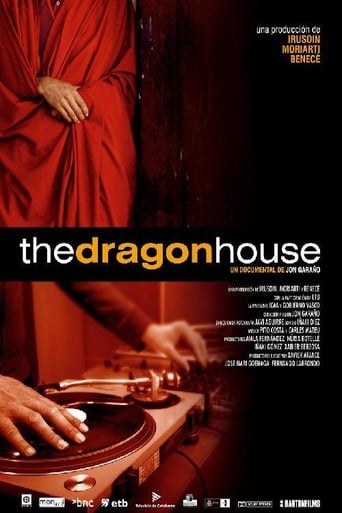
The Dragon House portrays the confrontation between tradition and modernity which the Kingdom of Bhutan is currently experiencing. This is done by means of two Bhutanese characters: a young Buddhist monk, heir to the local tradition, and the first disc jockey to dare to play House and Techno music in the small Himalayan kingdom.
Developed by Thích Nhất Hạnh himself, the exercises taught here combine simple stretching and graceful gestures with mindfulness meditation. Join Thich Nhat Hanh and Plum Village monk Brother Michael to explore ten unique movements. Practice them before or after sitting meditation anytime you have a few minutes to refresh your body and quiet your mind.
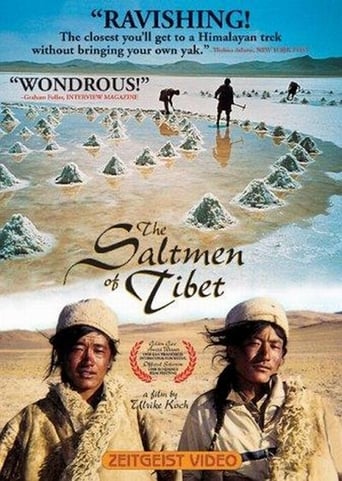
Four men from a nomadic Tibetan tribe undertake their annual, ritualistic pilgrimage to a sacred salt lake. Salt gathered in this traditional fashion will be sold to provide the economic livelihood of the tribe for the coming year. The journey, necessary for the group's survival, also incorporates a number of rituals necessary for their culture to survive in the modern world.
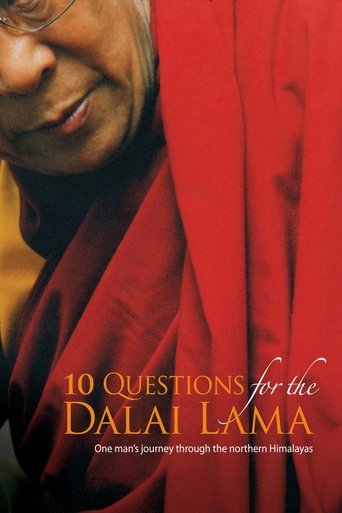
How do you reconcile a commitment to non-violence when faced with violence? Why do the poor often seem happier than the rich? Must a society lose its traditions in order to move into the future? These are some of the questions posed to His Holiness the Dalai Lama by filmmaker and explorer Rick Ray. Ray examines some of the fundamental questions of our time by weaving together observations from his own journeys throughout India and the Middle East, and the wisdom of an extraordinary spiritual leader. This is his story, as told and filmed by Rick Ray during a private visit to his monastery in Dharamsala, India over the course of several months. Also included is rare historical footage as well as footage supplied by individuals who at great personal risk, filmed with hidden cameras within Tibet.
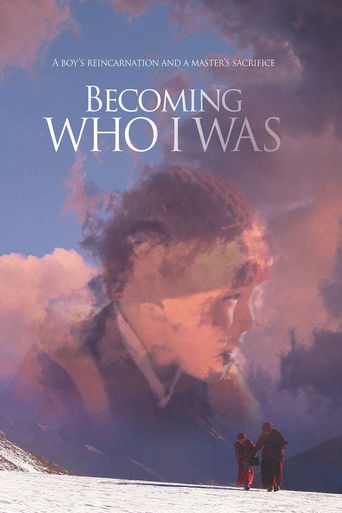
Angdu is no ordinary boy. Indeed, in a past life he was a venerated Buddhist master. His village already treats him like a saint as a result. The village doctor, who has taken the boy under his wing, prepares him to be able to pass on his wisdom. Alas, Tibet, Angdu’s former homeland and the centre of his faith, lies far away from his current home in the highlands of Northern India. On top of that, the conflict between China and Tibet makes the prospect of a trip there even more daunting. Undeterred by these harsh facts, the duo set off for their destination on foot, accompanied by questions of friendship and the nature of life. With its narrative approach steeped in a serene sense of concentration, this documentary film, composed over a period of eight years, stands as a fundamental experience in its own right.
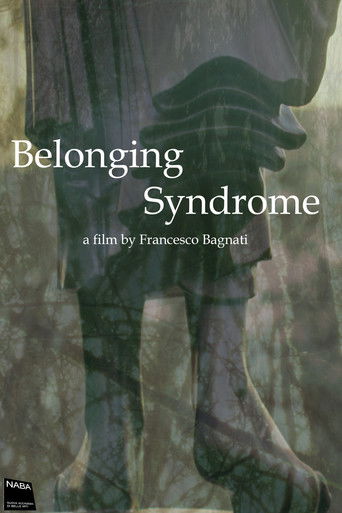
Belonging Syndrome is a short documentary that follows Duang, a second-generation Italian-Thai girl. Duang, during a period of stay in a monastery. Through her inner diary, the film explores a suspended phase of life: the one in which identity it is not yet defined and belonging becomes an open question. The monastery becomes the physical and symbolic place where Duang observes herself. Immersed in a daily life marked by rituals, silences and repeated gestures, the protagonist goes through an experience of deep listening, in which time slows down and perception is refined. Belonging Syndrome talks about hybrid identities, cultural legacies that coexist without completely merging, the difficulty and possibility of inhabiting multiple worlds without having to choose just one. It is an intimate and contemplative story about the search for balance in a fragile and open phase of existence.