

You Can Beat the A-Bomb
Documentary
Overview
An educational film that instructs people on how to survive atomic bombs and the radiation they emit while following a family facing nuclear attack who calmly prepare for the aftermath. Shows the various modes of Civil Defense that were being developed to protect the American population in the event of a nuclear war.









No cast information.
Similar Movies
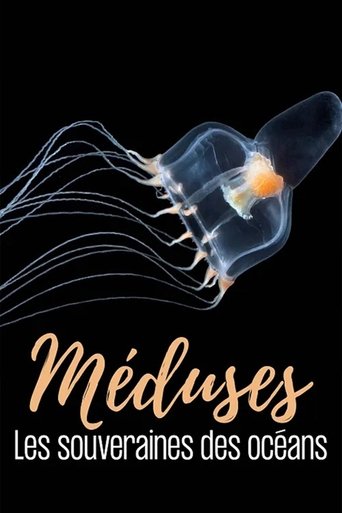
Jellyfish blooms are making headlines around the world. This is due to the damage they cause to tourism, fishing and our health. How can these creatures, which are over 98% water and have no shell, skeleton or brain, expand so rapidly? Although this is a normal stage in the life cycle of these gelatinous animals, we have to admit that blooms have become much more frequent and massive in recent decades. We're even witnessing jellyfish populations appearing in more and more regions where fish have been replaced by them, such as off the coast of Namibia, in the Black Sea, in the Sea of Japan and in certain areas of the Baltic Sea. What causes this? Why has the role of jellyfish in the ocean been underestimated, even though they outlived the dinosaurs? Are jellyfish on their way to dominating the oceans as they once did? What if they were to be the only ones left?

The line between sexual consent and sexual coercion is not always as clear as it seems -- and according to Harry Brod, this is exactly why we should approach our sexual interactions with great care. Brod, a professor of philosophy and leader in the pro-feminist men's movement, offers a unique take on the problem of sexual assault, one that complicates the issue even as it clarifies the bottom-line principle that consent must always be explicitly granted, never simply assumed. In a nonthreatening, non-hectoring discussion that ranges from the meanings of "yes" and "no" to the indeterminacy of silence to the way alcohol affects our ethical responsibilities, Brod challenges young people to envision a model of sexual interaction that is most erotic precisely when it is most thoughtful and empathetic.
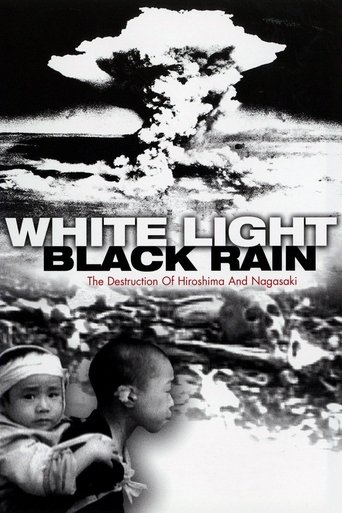
Steven Okazaki presents a deeply moving look at the painful legacy of the first -- and hopefully last -- uses of nuclear weapons in war. Featuring interviews with fourteen atomic bomb survivors - many who have never spoken publicly before - and four Americans intimately involved in the bombings, White Light/Black Rain provides a detailed exploration of the bombings and their aftermath.

The film features amazing scenes of places never before seen gathered by key space missions that culminated with groundbreaking discoveries in 2015. It features a spectacular flight though the great cliffs on comet 67P, a close look at the fascinating bright "lights" on Ceres, and the first ever close ups of dwarf binary planet Pluto/Charon and its moons.