



Solju: Live @ G Livelab Helsinki
Music
Overview
The group SOLJU, formed by Ulla Pirttijärvi and her daughter Hildá Länsman, combines their heritage of northern Sámi language and traditional chant, known as yoik, with a desire for new and innovative music. SOLJU provides a dialogue of traditional and modern Sámi culture. Solju is proud of their indigenous roots and want to show it to the world. Sámi culture and identity lie at the heart of the music, reflecting mythology and aspects of the traditional lifestyles of their homeland. The listener is taken to the far north of Europe: Sápmi. Solju soundscape ranges from the expansive wilderness of the tundra to the most intimate lávvu fireplace. The music can be described as vivacious, colourful, earthy, ethereal, and genuine. Recorde live at G Livelab, Helsinki, April 25, 2018. Songs from Solju's debut album "Odda Áigodat" (New Times), produced by Samuli Laiho and Teho Majamäki, mixed by Riku Mattila.





Hildá Länsman
Hildá Länsman
Lead vocals
Hildá Länsman
Lead vocals

Ulla Pirttijärvi
Ulla Pirttijärvi
Joik/Vocals
Ulla Pirttijärvi
Joik/Vocals
Teho Majamäki
Teho Majamäki
Percussion
Teho Majamäki
Percussion
Janne Puurtinen
Janne Puurtinen
Keyboards
Janne Puurtinen
Keyboards

Solju
Solju
Solju
Similar Movies
About being young and Sámi, focusing on the topics, pride, love and conflict. Isabel moves from her mother in Stockholm to her father in Jokkmokk. Amoc rap in Aanaarsämikielâ, Inari Sámi, a language used among 400 people. Alette doesn't feel like a Sámi. Thomas is a drummer, snowboards and dream of being an actor. The skier Tonje always fall in love with a Sámi. Why? Jon is adopted from Colombia and joiks a lot. Thomas and Petra plan for their future. Ritva loves horseback riding. Amanda likes theatre and politics. Vocalist Sandra wonders how much Sámi she is. Johan is brought up in a religious home where music is prohibited. Aslak love scooters. Marit was bullied in school because she is a Sámi.
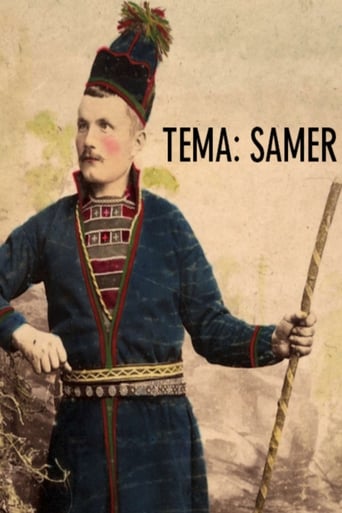
The Sámi people (also spelled Sami or Saami) are an indigenous Finno-Ugric people inhabiting Sápmi, which today encompasses large northern parts of Norway and Sweden, northern parts of Finland, and the Kola Peninsula within the Murmansk Oblast of Russia. A single daily newspaper is published in Northern Sámi, Ávvir. There are short daily news bulletins in Northern Sámi on national TV in Norway, Sweden and Finland. There is a Sámi theatre, Beaivvas, in Kautokeino on the Norwegian side, as well as in Kiruna on the Swedish side. The largest Sami Publishing house is Davvi Girji. In this program "Topic: Sámi" filmmaker Nils Gaup presents his latest production, "The Kautokeino Rebellion" (2008), author Ann-Helen Laestadius talks about to seek ones roots, and Isabel Pavval share how it is being a young Sámi and youth culture.
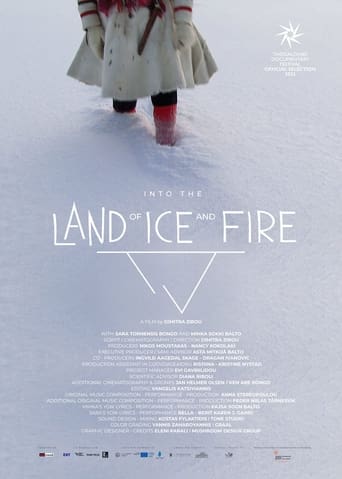
Two parallel stories are gradually unfolding the everyday life of two very different persons - that of 86-year-old Sara and 7-year-old Mihka - both residing in Guovdageaidnu - Kautokeino, in the middle of the Norwegian arctic tundra, through the drastic change of the arctic seasons and the passage from the long winter’s darkness to the never-ending light of the summer season.

Three Sámi men travel to the capital of Norway. One of them is wearing gákti, the Sámi traditional costume, to attract Norwegian women. The second one believes it unethical to do this, and the third is bitter that he doesn't attract women when he wears the gákti. Indigenous Police is a Sámi short film told with humor and political sting. It is an identity satire about how people, both the Sámi and the majority population, consciously and unconsciously define what is the right way to be Sámi.
Acoustic Ocean is an artistic exploration of the sonic ecology of marine life in the North Atlantic. Located on the Lofoten Islands in Northern Norway, the video centers on the performance of a marine-biologist diver who is using a life-size model of a submersible equipped with all sorts of hydrophones and recording devices. In this science-fictional quest, her task is to sense the submarine space for acoustic and bioluminescent forms of expression.
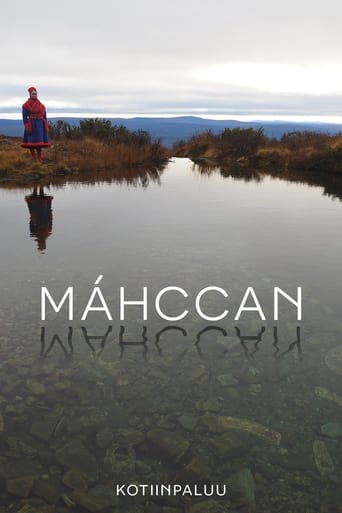
Sámi artefacts from the Finnish National Museum are returning home to Sápmi, while the holy drums of the Sámi people are still imprisoned in the basements of museums across Europe. The returning objects symbolise the dignity, identity, history, connection to ancestors and a whole world view that was taken from the Sámi people. Director Suvi West takes the viewer behind the scenes of the museum world to reflect on the spirit of the objects, the inequality of cultures and the colonialist burden of museums.
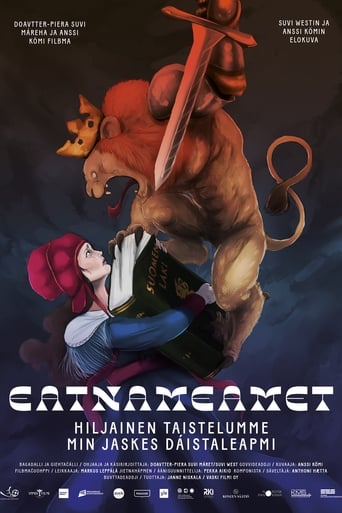
The AssimiNation is a political pamphlet portraying the indigenous Sámi people fighting for their existence. The film follows the on going cultural genocide of the Sámi which the current Governmental politics allow. This film is a cry for help for the last indigenous people living in the EU.
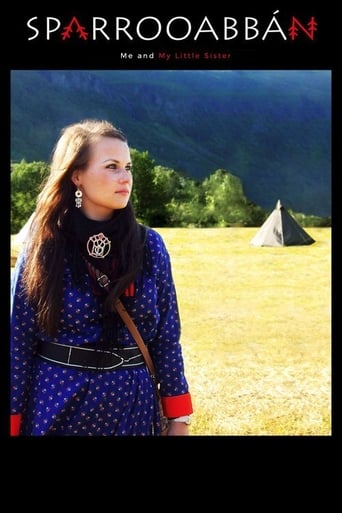
Loving someone of the same gender is frowned upon in Sami communities. Sparrooabbán (Me and my little sister) shows what it’s like to be a minority within a minority. Suvi describes how her little sister Kaisa wishes to be accepted as she is. Like her sister, Kaisa is a Sami, but also in a relationship with a woman, and she also works as a deacon. There are obviously more constricting communities in the film than only one.